


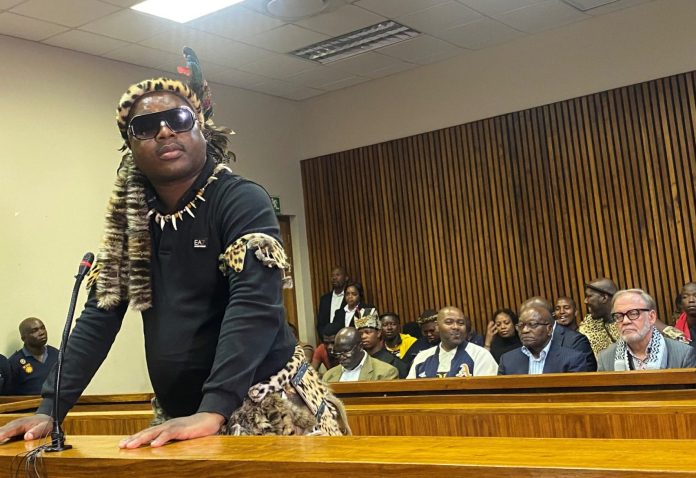
EFF leader Julius Malema has issued a 24-hour ultimatum to media personality Ngizwe Mchunu, demanding a public apology and R1-million in damages over explosive claims made on social media.
In a letter dated April 29, Malema’s attorneys accused Mchunu of making “defamatory” statements during an interview outside the Union Buildings on April 28, which were later widely shared on TikTok and X.
At the centre of the dispute are allegations attributed to Mchunu that Malema received millions of rands from “Nigerian drug dealers” and was using his political influence to protect foreign nationals involved in criminal activities.
Content widely shared on social media
The lawyers said the remarks were presented as facts and created the impression that Malema was engaged in criminal conduct.
Malema’s legal team argues that the statements are false, malicious, and intended to damage his reputation as a member of parliament and leader of the EFF.
They said the claims portray him as “a criminal”, “a fraudster”, and someone “unfit to hold public office”.
The letter goes further, accusing Mchunu of acting with political intent, alleging the statements were made to “extract political leverage” ahead of local government elections later in the year.
According to the lawyers, Mchunu intended to erode public confidence in both Malema and the EFF.
The viral spread of the interview clip has heightened the stakes.
Malema’s attorneys said the content has been widely shared across social media platforms and continues to cause reputational harm as long as it remains accessible online.
They have issued a series of demands, giving Mchunu 24 hours to comply or face legal action.
These include a full retraction of the statements, a public apology, and a formal press statement to be distributed across all his social media platforms, including TikTok, X, Facebook and Instagram.
The apology must also be provided to the original interviewer for reposting.
Civil claim for damages
Crucially, the letter demands that Mchunu pay R1-million in damages for the alleged harm caused to Malema’s reputation.
Should Mchunu fail to meet these conditions within the deadline, Malema has instructed his lawyers to institute legal proceedings.
These could include a civil claim for damages and a request for a punitive costs order against Mchunu.
The dispute underscores the increasingly fraught intersection between politics, social media, and the law, particularly in an election climate where reputational attacks can spread rapidly and widely.
While the constitution robustly protects political expression, it narrows significantly when statements frame themselves as assertions of fact—particularly when they impute criminal conduct.
In such instances, the law requires a clear evidentiary basis; absent that, the risk of defamation liability is substantial.
Mchunu has to sustain recognised defences in South African law, including truth and public benefit, fair comment, or reasonable publication.
Each defence carries distinct requirements, with courts scrutinising not only the content of the statement but also the context, intent, and steps taken to verify the information before publication.
Conversely, Malema would bear the onus of establishing that the statements are defamatory, were unlawfully published, and resulted in reputational harm—although harm may, in certain circumstances, be presumed once defamatory meaning is established.
- EFF leader Julius Malema has given media personality Ngizwe Mchunu a 24-hour ultimatum to publicly apologize and pay R1-million in damages for defamatory claims made on social media.
- Mchunu alleged that Malema received millions from Nigerian drug dealers and used his political influence to protect criminal foreign nationals, claims Malema's legal team says are false and damaging.
- The allegations were widely shared on platforms like TikTok and X, causing ongoing reputational harm to Malema, who demands retraction, apology, and distribution of a formal statement across all Mchunu’s social media.
- Malema’s lawyers suggest Mchunu acted with political motives to undermine Malema and the EFF ahead of upcoming local elections, threatening legal action including a civil claim and punitive costs if demands aren't met.
- The case highlights tensions between political speech, social media, and defamation law, where unverified factual claims about criminal conduct risk legal consequences under South African law.


