


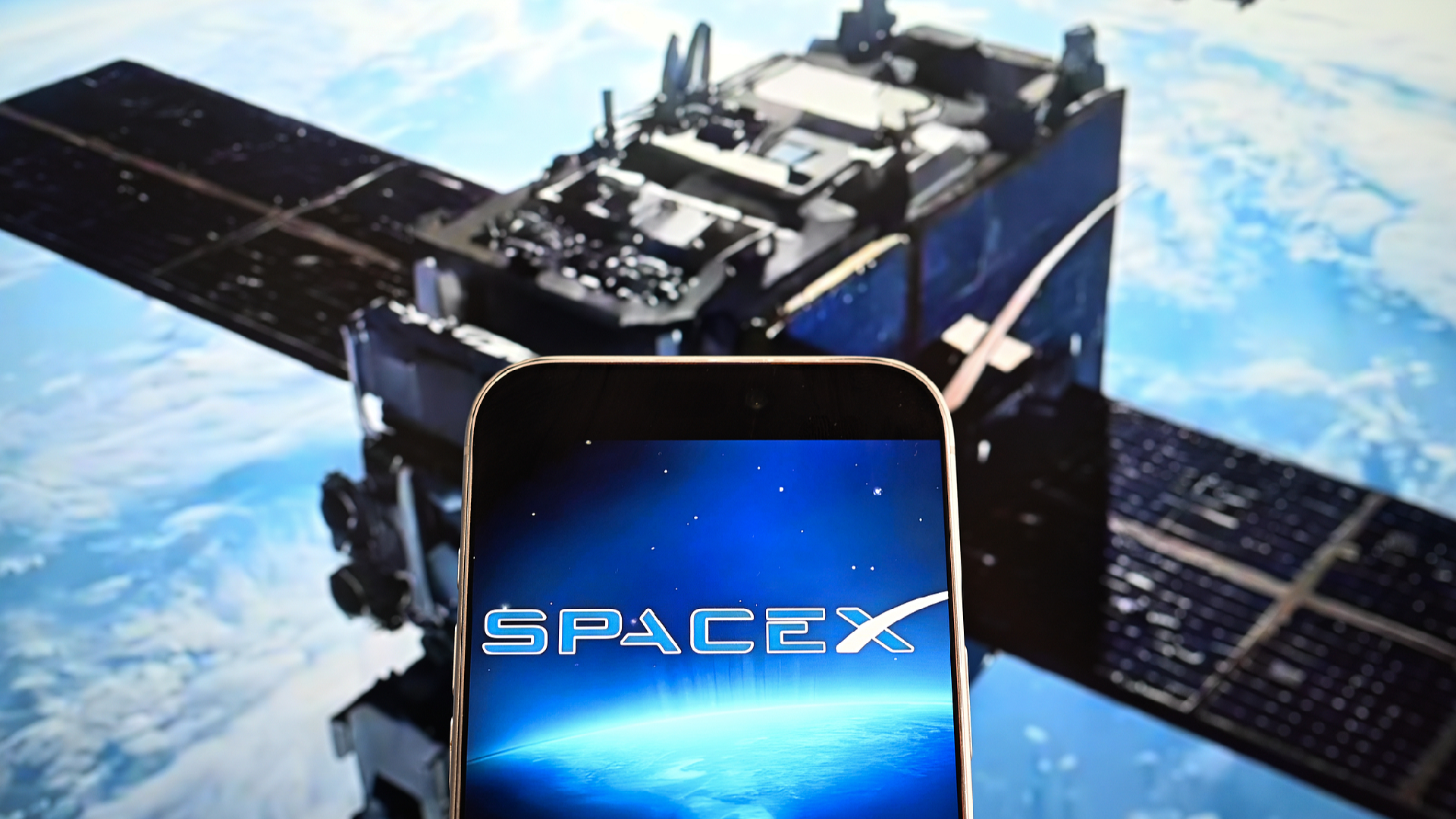
The US government on Wednesday granted SpaceX approval to deploy 1 million satellites, allowing the company to operate artificial intelligence data centres in space.
The SpaceX constellation, called “Starmind”, includes up to 1 million solar-powered data centre satellites designed to run AI workloads in orbit and beam the results back to Earth.
SpaceX must deploy and operate one authorised space station in its assigned orbit by November 25, 2033, while the remaining satellites must be launched and operational by November 25, 2040, according to an order issued by the US Federal Communications Commission (FCC).
READ: Elon Musk’s Starlink wants BEE rules amended as SpaceX eyes SA
Proponents of orbital data centers say that harnessing solar energy would ease pressure on power grids and reduce the use of other resources, such as water, on Earth. Opponents, however, warn of risks including atmospheric pollution and in-orbit collisions that could affect other essential satellites.
Since SpaceX filed its application with the FCC in January, the agency said it had received “a substantial number” of public comments, including petitions to deny the application filed by several major satellite companies and the American Astronomical Society (AAS).
The AAS said it was “disheartened and dismayed” by the FCC’s decision, adding that “the proposed constellation would significantly undermine decades of federal investment in astronomical facilities and the ability of astronomers and the public to enjoy and study the night sky.”
- The US government has approved SpaceX's plan to deploy 1 million satellites for operating artificial intelligence data centres in space.
- SpaceX's constellation, named "Starmind," consists of up to 1 million solar-powered satellites designed to run AI workloads and send results back to Earth.
- The FCC order requires SpaceX to deploy and operate one authorised space station by November 25, 2033, with the rest operational by November 25, 2040.
- Supporters claim solar energy in orbit will reduce pressure on Earth’s power grids and resource consumption, while opponents warn of atmospheric pollution and collision risks.
- The American Astronomical Society expressed strong opposition, stating the constellation would undermine federal investments in astronomy and public enjoyment of the night sky.


