


Southern Africa’s top diplomats will descend on the Kruger National Park this weekend for what could become one of the region’s most politically important meetings in years.
From May 22 to 24, foreign ministers from all 16 Southern African Development Community (SADC) member states will gather in Skukuza, Mpumalanga, for a high-level retreat hosted by South Africa.
The Department of International Relations and Cooperation (DIRCO) confirmed that every SADC country will participate at the foreign minister level, a clear indication of the seriousness attached to the gathering as global tensions continue to escalate.
Strengthening regional cooperation
Officially, the retreat is about assessing the changing geopolitical environment and strengthening regional cooperation. Unofficially, it comes at a time when African nations are increasingly feeling squeezed by global power struggles, economic instability and wars driven by powerful nations outside the continent.
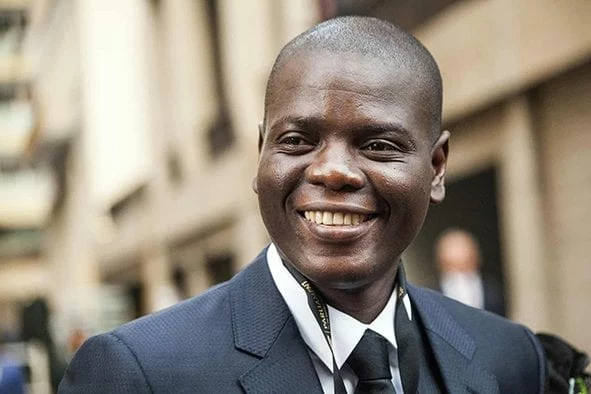
Minister of International Relations and Cooperation Ronald Lamola will open the retreat in his capacity as chairperson of the SADC Council of Ministers.
The meeting takes place against the backdrop of growing divisions between the West and emerging powers aligned to BRICS, rising frustration over the wars in the Middle East, and deepening concerns that African countries are still being treated as junior partners in global decision-making.
Aggressive pressure from the US
Inside diplomatic circles, there is growing irritation with what many view as aggressive pressure from the US and its Western allies on countries that refuse to fully align themselves with Western foreign policy positions.
South Africa has increasingly found itself at the centre of that tension.
Pretoria’s strong criticism of Israel’s military campaign in Gaza and its push for reforms in global institutions have placed the government under mounting scrutiny from Washington and some European capitals.
At the same time, divisions within the G20 over debt, trade, climate financing and global governance have exposed widening cracks between wealthy nations and developing economies.
Developing nations have no voice
For many African leaders, the message has become impossible to ignore: the current global system still overwhelmingly protects the interests of powerful countries while developing nations carry the economic consequences of wars and political decisions they had no role in creating.
The conflict in the Middle East has already pushed up energy prices, disrupted shipping routes and placed renewed pressure on food supply chains, with developing economies among the hardest hit.
Several regional analysts believe the inconsistent response by Western governments to different global conflicts has fuelled accusations of double standards and selective morality in international diplomacy.
That frustration is quietly reshaping political thinking inside regional blocs such as SADC.
The retreat’s agenda reflects a growing desire for economic self-reliance and reduced dependency on external powers.
Foreign ministers are expected to focus on infrastructure development, industrialisation, regional trade, energy security, mineral beneficiation, agriculture and financing regional integration.
While those may sound like routine policy discussions, they sit at the heart of a much bigger question: whether Southern Africa can protect itself from global economic shocks and build stronger internal resilience.
SADC’s long-term Vision 2050 and the Regional Indicative Strategic Development Plan already outline ambitions around industrialisation and regional integration. But implementation has often lagged behind political rhetoric.
Cross-border trade bottlenecks, weak infrastructure, political instability and competing national interests continue to undermine regional progress.
Still, SADC remains one of the continent’s most politically influential regional formations, rooted in liberation history and anti-colonial solidarity.
Navigating a rapidly changing global order
The bloc traces its origins to the Southern African Development Coordination Conference established in 1980 by frontline states seeking to reduce dependence on apartheid South Africa and resist external political control during the Cold War.
Decades later, the region once again finds itself navigating a rapidly changing global order shaped by geopolitical rivalry, economic fragmentation and shifting alliances.
For SADC leaders, the stakes are high. African countries are increasingly under pressure to choose sides in conflicts involving the United States, China, Russia and Western allies, despite many insisting that their priority remains development, stability and economic growth.
The Skukuza retreat may ultimately determine whether Southern Africa can begin speaking with a stronger and more unified voice on global affairs or whether regional ambitions will once again remain trapped in diplomatic statements with little practical impact.
- Southern Africa’s top diplomats from all 16 SADC member states will meet in Kruger National Park from May 22-24 for a high-level retreat focused on regional cooperation amid escalating global tensions.
- The retreat aims to address geopolitical shifts, economic instability, and external pressures on African nations, with South Africa's Minister Ronald Lamola chairing the meeting.
- Growing frustration exists within Africa over Western dominance in global decision-making, especially amid conflicts like the Middle East war, with criticism of selective diplomacy and economic impacts on developing countries.
- The agenda prioritizes economic self-reliance through infrastructure, industrialization, regional trade, energy security, and financing integration to reduce dependence on external powers.
- The meeting could mark a turning point for Southern Africa to unite on global issues and strengthen regional resilience or risk remaining limited to rhetoric without substantial progress.


