


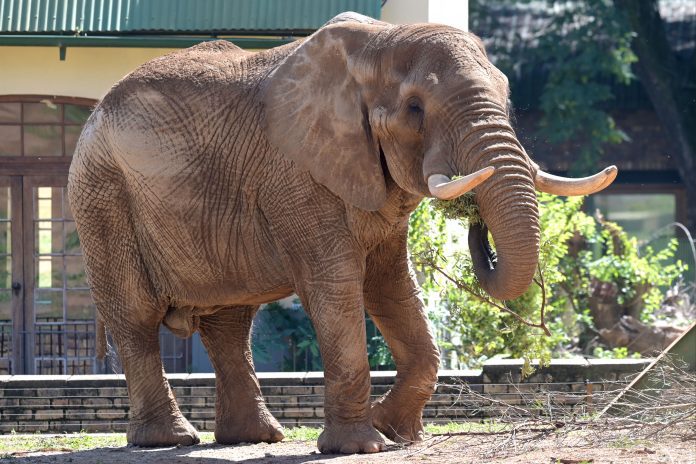
Fifteen elephants died in Kenya’s Amboseli ecosystem from June 24 to July 24, with preliminary tests detecting a potential toxic substance in samples from several animals, the Kenya Wildlife Service (KWS) said in a statement late on Tuesday.
The broader Amboseli ecosystem spans the national park and surrounding community land in southern Kenya near the Tanzanian border, providing habitat and movement routes for elephants and other wildlife beneath Mount Kilimanjaro.
Similar symptoms including partial paralysis
Ten elephants showed similar symptoms, including partial paralysis that left them unable to stand before they died within one or two days, KWS said.
The deaths were recorded in Amboseli National Park, Kimana Sanctuary and the Kuku Ranch area.
The condition primarily affected adult females and calves, with only one adult male reported.
KWS said it could not establish the cause of death for five carcasses because they were too decomposed or had been scavenged.
Preliminary analaysis by the University of Nairobi detected a potential toxic substance, though further analysis was needed to establish its concentration, significance and source.
Further testing for other possible toxins
Initial tests by the government chemist were negative for the toxins examined, while further testing for other possible toxins was under way.
Authorities are also testing water sources and other potential environmental contaminants to determine whether the elephants were exposed to a common source.
“Importantly, there is no evidence that this incident poses any risk to human health,” KWS said, adding that the condition was confined to affected elephants and there was no indication it could be transmitted to people.
- Fifteen elephants died in Kenya's Amboseli ecosystem between June 24 and July 24, with preliminary tests indicating a potential toxic substance in some animals.
- Ten elephants exhibited symptoms like partial paralysis before dying, mainly affecting adult females and calves.
- Deaths occurred in Amboseli National Park, Kimana Sanctuary, and Kuku Ranch area, with some carcasses too decomposed for cause determination.
- Further testing is ongoing to identify toxins and environmental contaminants, including water sources, as initial government chemist tests were negative.
- Authorities confirm no evidence of risk to human health or transmission of the condition to people.


