


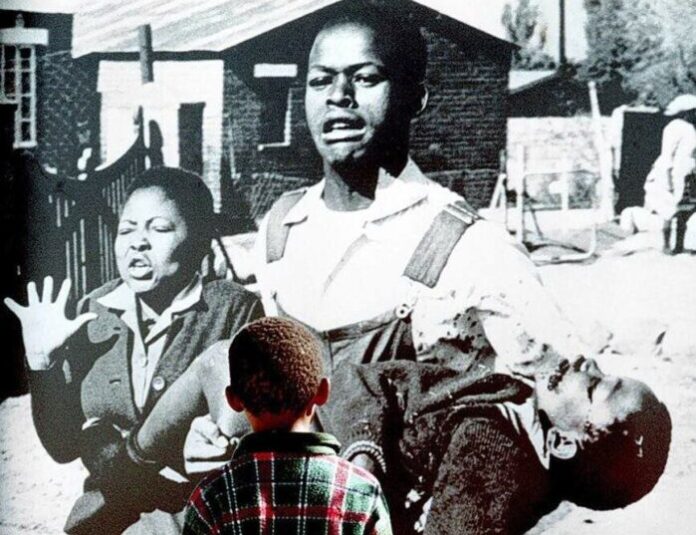
This year marks the 50th anniversary of the 16 June 1976 Soweto students, who teared up against the usage of the Afrikaans language as a universal language of medium of instructions including in content subjects such as mathematics, history, geography, life sciences, among others, in our schools.
As one of the students who were at the forefront of that Soweto students struggle, I would call on the “agenda trendsetters” of our public discourse in South Africa to desist from attaching objectives we never fought for in 1976.
Higher ambition
Granted, we were youths then but we never said that we were looking for employment or any employment opportunities. We were black youth students who, like our white counterparts students in the privileged white school settlings, ambitious.
We wanted to complete our high school education so that we could proceed, not into the job market, but into the world of knowledge production – either at different universities and or, into different technical colleges.
We knew that at some point uhuru would dawn upon us in South Africa as indeed it did in 1994 when we attained our independence and freedom from the white-led Afrikaner apartheid government. We knew that governing the new democratic South Africa, necessitated us to fight for quality education which was not going to domesticate us and render us as black people to be job seekers.
Dream to drive economy
Like white captains of the South African economy, which by they way they still command, we sought to equip ourselves with knowledge that would enable us to be wealth creators and employment creators.
The Afrikaans language was a tool the white Afrikaner-led apartheid government used to oppress us – coloureds and Indians included. We were commonly called “honde” (dogs) by the Afrikaner police when arresting us – often for having not committed any criminal offences other than the colour of our black skins.
Our struggle for the abolition of the bantu education system and the dismantling of the white Afrikaner-led apartheid government was to cure these ills. We wanted quality tertiary qualifications to restore our human rights dignity as human beings, not “honde”.
To sum it up, at no stage in 1976 did we say we were fighting to get jobs or job opportunities. Doing so would have meant that we wanted to perpetuate the white Afrikaner-led apartheid government, which through its introduction of Afrikaans language as a medium of instruction in all the black schools, sought to distract us from finishing our high school education and proceeding to tertiary institutions to get quality education like our white counterparts.
- Adv Mahlodi S Muofhe is an admitted advocate of the High Court of South Africa as well as an ambassador to the Republic of South Sudan.
- This year marks the 50th anniversary of the 16 June 1976 Soweto students, who teared up against the usage of the Afrikaans language as a universal language of medium of instructions including in content subjects such as mathematics, history, geography, life sciences, among others, in our schools.
- As one of the students who were at the forefront of that Soweto students struggle, I would call on the “agenda trendsetters” of our public discourse in South Africa to desist from attaching objectives we never fought for in 1976.
- Higher ambition Granted, we were youths then but we never said that we were looking for employment or any employment opportunities.
- We were black youth students who, like our white counterparts students in the privileged white school settlings, ambitious.
- We wanted to complete our high school education so that we could proceed, not into the job market, but into the world of knowledge production – either at different universities and or, into different technical colleges.


