


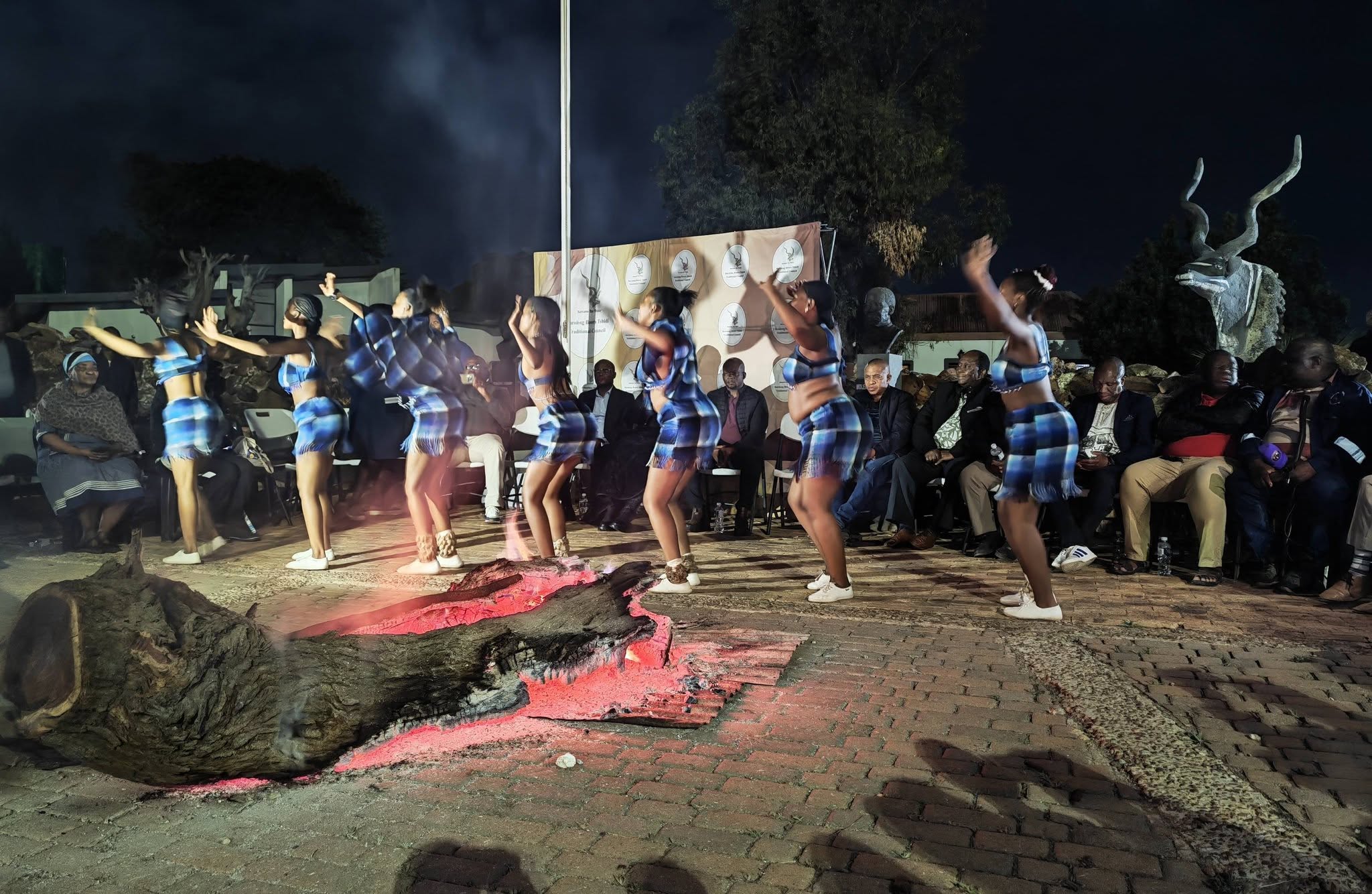
During the course of this week, hundreds of residents of Mahikeng, together with visitors from neighbouring Botswana, descended upon the capital city of the North West Province to celebrate 25 years of traditional leadership anchored in cultural preservation, community development, and ethical governance.
The Silver Jubilee of Kgosi Kgotleng Montshioa presents a fitting opportunity not only to celebrate the years of dedicated and exemplary service to the Barolong Boo Ratshidi community but also to reflect on the rich and distinguished history of a people whose leaders have made an enduring contribution to South Africa’s political, social, and intellectual development.
READ: Bid to revitalise Mahikeng
Throughout the country’s history, the Barolong Boo Ratshidi have produced visionary traditional leaders, statesmen, and freedom fighters who helped shape the course of the nation, advancing the ideals of justice, self-determination, and human dignity. This milestone therefore serves as both a tribute to Kgosi Montshioa’s remarkable leadership and a celebration of the enduring legacy of the Barolong Boo Ratshidi in the making of modern South Africa.
Foremost among these leaders was Kgosi Tawana, the celebrated nineteenth-century ruler whose wisdom, courage and statesmanship secured the survival and recognition of the Barolong Boo Ratshidi during a period of profound political upheaval and colonial expansion during the Difeqane period. His leadership established a legacy of service and principled governance that continues to inspire generations of traditional leaders.
The Barolong legacy was further cemented under the stewardship of Kgosi Besele Montshioa during the historic Siege of Mafeking of 1899 to 1900. During the 217-day siege, the people of Mahikeng demonstrated extraordinary courage and endurance under exceptionally difficult circumstances. The Barolong community played a critical role in the defence and survival of the town, contributing to a chapter of history that attracted international attention and placed Mafikeng firmly on the world stage.
Less than a century later, Mafikeng once again found itself at the centre of a pivotal moment in South Africa’s democratic transition. During the 1994 Bophuthatswana Crisis, hundreds of members of the Afrikaner Weerstandsbeweging (AWB) entered the Mmabatho-Mafikeng area in an attempt to prop up the collapsing Bophuthatswana administration and resist South Africa’s transition to democracy.
Their intervention was met with overwhelming opposition from local residents who demanded reintegration into a democratic South Africa.
READ: Premier Bushy Maape solidifies relations with traditional leaders
The events that unfolded became a defining symbol of the collapse of apartheid-era homeland politics and the triumph of democracy over racial extremism. The people of Mafikeng once again demonstrated resilience, courage and an unwavering commitment to freedom and democratic governance.
Beyond the realm of traditional leadership and political resistance, the Barolong Boo Ratshidi have made an indelible contribution to South Africa’s intellectual, cultural and political development. Among the most distinguished of these sons of the soil was Solomon Tshekisho Plaatje, affectionately known as Sol Plaatje. A renowned journalist, author, linguist, translator and political activist, Plaatje was a founding member of the South African Native National Congress (SANNC), which would later evolve into the African National Congress (ANC).
Through his pioneering literary works, fearless journalism and unwavering advocacy for the rights of Black South Africans, Plaatje became one of the foremost champions of justice, equality and human dignity.
Plaatje’s intellectual legacy is perhaps best reflected in his seminal writings. His groundbreaking work, Native Life in South Africa (1916), remains one of the most powerful accounts of the devastating impact of the 1913 Natives Land Act on African communities. Through meticulous observation and compelling narrative, Plaatje exposed the dispossession, poverty and injustice inflicted upon black South Africans, providing the world with a firsthand account of one of the most consequential policies of colonial rule.
Equally significant was Mhudi, published in 1930 and widely regarded as the first English-language novel written by an African. Set against the backdrop of the upheavals of the nineteenth century, Mhudi celebrated African resilience, dignity and agency, while offering a profound reflection on the relationships between African communities and the forces that shaped their history.
Equally significant was Dr Silas Modiri Molema, distinguished physician, historian and nationalist leader. Dr Molema made an extraordinary contribution to the preservation of African history and intellectual thought. His scholarly works documented the history of the Barolong people and ensured that the legacy of leaders such as Kgosi Montshioa would endure for future generations.
He also served as National Secretary of the African National Congress, reflecting his commitment to public service and nation-building.
It is against this remarkable historical backdrop that the reign of Kgosi Kgotleng Montshioa must be understood. His 25 years of leadership represent a continuation of a proud tradition rooted in service, responsibility and an unwavering commitment to the welfare of the Barolong Boo Ratshidi community. Throughout his reign, he has upheld the values that have distinguished generations of Barolong leaders, namely wisdom, humility, unity and dedication to the common good.
As the community commemorates this historic Silver Jubilee, it is important to recognise that this occasion transcends the celebration of an individual milestone. It is, in essence, a celebration of a remarkable heritage stretching from wars of colonial conquest through the resilience displayed during the Siege of Mafeking, the democratic triumph over the 1994 Bophuthatswana Crisis and the AWB incursion, to the intellectual contributions of Sol Plaatje and Dr Molema.
The Silver Jubilee of Kgosi Kgotleng Montshioa therefore stands as a tribute not only to 25 years of distinguished traditional leadership but also to an enduring Barolong legacy of courage, scholarship, patriotism, democratic values and service to humanity.
May this historic occasion inspire future generations to uphold the noble principles that have defined the Barolong Boo Ratshidi for centuries and continue to illuminate the path towards unity, progress and prosperity.
- Sello Tatai is the spokesperson to the Premier of the North West and co-founder of the Maftown Book Club. He writes in his personal capacity.
- Hundreds of residents of Mahikeng and visitors from Botswana celebrated the 25th anniversary of Kgosi Kgotleng Montshioa's traditional leadership in the North West Province.
- The Barolong Boo Ratshidi community has a history of producing visionary leaders like Kgosi Tawana and Kgosi Besele Montshioa, who played key roles during the Difeqane period and the Siege of Mafeking.
- Mafikeng was central to South Africa's 1994 democratic transition, with local resistance against the Afrikaner Weerstandsbeweging's attempt to support the Bophuthatswana administration.
- Solomon Tshekisho Plaatje, a Barolong intellectual and activist, was a founding member of the SANNC and authored influential works including Native Life in South Africa and Mhudi.
- Dr. Silas Modiri Molema, another prominent Barolong figure, contributed significantly to African history preservation and served as National Secretary of the ANC.
During the course of this week, hundreds of residents of Mahikeng, together with visitors from neighbouring Botswana, descended upon the capital city of the North West Province to celebrate 25 years of traditional leadership anchored in cultural preservation, community development, and ethical governance.
The Silver Jubilee of Kgosi Kgotleng Montshioa presents a fitting opportunity not only to celebrate the years of dedicated and exemplary service to the Barolong Boo Ratshidi community but also to reflect on the rich and distinguished history of a people whose leaders have made an enduring contribution to South Africa’s political, social, and intellectual development.
READ: Bid to revitalise Mahikeng
Throughout the country’s history, the Barolong Boo Ratshidi have produced visionary traditional leaders, statesmen, and freedom fighters who helped shape the course of the nation, advancing the ideals of justice, self-determination, and human dignity. This milestone therefore serves as both a tribute to Kgosi Montshioa’s remarkable leadership and a celebration of the enduring legacy of the Barolong Boo Ratshidi in the making of modern South Africa.
Foremost among these leaders was Kgosi Tawana, the celebrated nineteenth-century ruler whose wisdom, courage and statesmanship secured the survival and recognition of the Barolong Boo Ratshidi during a period of profound political upheaval and colonial expansion during the Difeqane period. His leadership established a legacy of service and principled governance that continues to inspire generations of traditional leaders.
The Barolong legacy was further cemented under the stewardship of Kgosi Besele Montshioa during the historic Siege of Mafeking of 1899 to 1900. During the 217-day siege, the people of Mahikeng demonstrated extraordinary courage and endurance under exceptionally difficult circumstances. The Barolong community played a critical role in the defence and survival of the town, contributing to a chapter of history that attracted international attention and placed Mafikeng firmly on the world stage.
Less than a century later, Mafikeng once again found itself at the centre of a pivotal moment in South Africa's democratic transition. During the 1994 Bophuthatswana Crisis, hundreds of members of the Afrikaner Weerstandsbeweging (AWB) entered the Mmabatho-Mafikeng area in an attempt to prop up the collapsing Bophuthatswana administration and resist South Africa's transition to democracy.
Their intervention was met with overwhelming opposition from local residents who demanded reintegration into a democratic South Africa.
READ: Premier Bushy Maape solidifies relations with traditional leaders
The events that unfolded became a defining symbol of the collapse of apartheid-era homeland politics and the triumph of democracy over racial extremism. The people of Mafikeng once again demonstrated resilience, courage and an unwavering commitment to freedom and democratic governance.
Beyond the realm of traditional leadership and political resistance, the Barolong Boo Ratshidi have made an indelible contribution to South Africa's intellectual, cultural and political development. Among the most distinguished of these sons of the soil was Solomon Tshekisho Plaatje, affectionately known as Sol Plaatje. A renowned journalist, author, linguist, translator and political activist, Plaatje was a founding member of the South African Native National Congress (SANNC), which would later evolve into the African National Congress (ANC).
Through his pioneering literary works, fearless journalism and unwavering advocacy for the rights of Black South Africans, Plaatje became one of the foremost champions of justice, equality and human dignity.
Plaatje's intellectual legacy is perhaps best reflected in his seminal writings. His groundbreaking work, Native Life in South Africa (1916), remains one of the most powerful accounts of the devastating impact of the 1913 Natives Land Act on African communities. Through meticulous observation and compelling narrative, Plaatje exposed the dispossession, poverty and injustice inflicted upon black South Africans, providing the world with a firsthand account of one of the most consequential policies of colonial rule.
Equally significant was Mhudi, published in 1930 and widely regarded as the first English-language novel written by an African. Set against the backdrop of the upheavals of the nineteenth century, Mhudi celebrated African resilience, dignity and agency, while offering a profound reflection on the relationships between African communities and the forces that shaped their history.
Equally significant was Dr Silas Modiri Molema, distinguished physician, historian and nationalist leader. Dr Molema made an extraordinary contribution to the preservation of African history and intellectual thought. His scholarly works documented the history of the Barolong people and ensured that the legacy of leaders such as Kgosi Montshioa would endure for future generations.
He also served as National Secretary of the African National Congress, reflecting his commitment to public service and nation-building.
It is against this remarkable historical backdrop that the reign of Kgosi Kgotleng Montshioa must be understood. His 25 years of leadership represent a continuation of a proud tradition rooted in service, responsibility and an unwavering commitment to the welfare of the Barolong Boo Ratshidi community. Throughout his reign, he has upheld the values that have distinguished generations of Barolong leaders, namely wisdom, humility, unity and dedication to the common good.
As the community commemorates this historic Silver Jubilee, it is important to recognise that this occasion transcends the celebration of an individual milestone. It is, in essence, a celebration of a remarkable heritage stretching from wars of colonial conquest through the resilience displayed during the Siege of Mafeking, the democratic triumph over the 1994 Bophuthatswana Crisis and the AWB incursion, to the intellectual contributions of Sol Plaatje and Dr Molema.
The Silver Jubilee of Kgosi Kgotleng Montshioa therefore stands as a tribute not only to 25 years of distinguished traditional leadership but also to an enduring Barolong legacy of courage, scholarship, patriotism, democratic values and service to humanity.
May this historic occasion inspire future generations to uphold the noble principles that have defined the Barolong Boo Ratshidi for centuries and continue to illuminate the path towards unity, progress and prosperity.
- Sello Tatai is the spokesperson to the Premier of the North West and co-founder of the Maftown Book Club. He writes in his personal capacity.


