


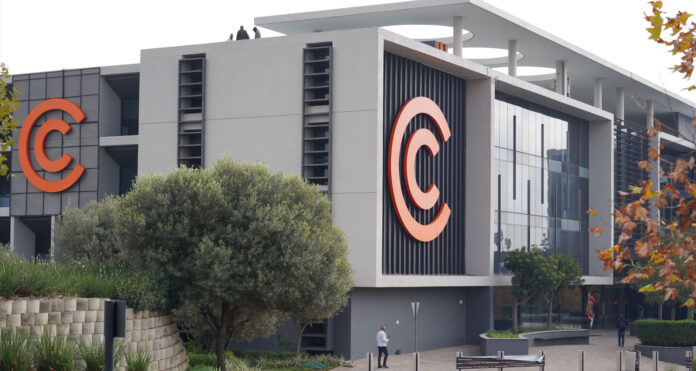
Cell C has moved from recovery phase towards growth after completing its restructuring, while a sharp reduction in debt has strengthened its financial position.
The mobile operator ended the year to May 2026 with net debt of R2 billion, down 64% from R5.7 billion a year earlier.
Jorge Mendes, group chief executive, said the company’s financial and operational performance showed that Cell C had moved beyond recovery.
He said the first half of the financial year was focused on completing the restructuring and IPO, while the second half was centred on execution, including the integration of CEC and operating as a single business.
Cell C reported increased profit of R4.16 billion, an 87.6% increase from R2.22 billion a year earlier, while headline earnings per share increased 57% to 2 337.6 cents. However, no dividends were declared.
Revenue increased 13.5% to R12.64-billion compared to the 4% increase during the same period in the previous year. In the first half of the financial year to November 2025, the company had reported a modest 1.65% year-on-year increase in revenue for the six months ended November 2025, accounting for R5.68-billion.
According to the Blue Label Telecomms financial statement last year, the recapitalisation of Cell C in September 2022 led to additional finance costs of R37 million.
These included costs from higher borrowings linked to airtime sale and repurchase obligations. R15 million was related to the issue of Class A preference shares, and R72 million in finance charges was recognised from the sale of CEC’s handset receivable books.
Adjusted EBITDA increased 16.9% to R2.38 billion, and the company managed to generate R1 billion in operating cash flow.
Mendes said the company’s improvement was due to improved performance, a recovery in the prepaid customer base, the normalisation of historical airtime discounts, a clear postpaid customer base and continued growth in wholesale.
“Roaming and incoming revenues, digital services, fibre and enterprise, declined during the period, primarily due to the regulated reduction in mobile termination rates. Enterprise remains an important long-term growth opportunity for Cell C,” said Mendes.
Despite the challenge, prepaid revenue increased 9.7% to about R5.8-billion as the number of prepaid subscribers increased by 1.3 million during the year. The total subscriber base jumped 17.1% to 8.88 million from 7.59 million.
Wholesale revenue increased 20%, supported by the continued expansion of Cell C’s mobile virtual network operator ecosystem.
MVNO HLR subscribers increased 27.3% to 5.71-million, meaning Cell C now supports more than 5.7 million subscriber lines through its MVNO platform.
Cell C expects the implementation of data rollover regulations in January 2027 to affect revenue growth in the second half of the next financial year. Lower mobile termination rates will also continue to weigh on its Other revenue segment.
“Our outlook reflects continued operational momentum. We expect Prepaid to remain a key contributor to growth, supported by further market gains, while Postpaid is anticipated to show encouraging year-on-year improvement as we benefit from a full year of CEC integration and enhanced commercial execution.
“Wholesale remains a key growth driver and we expect double-digit revenue growth to continue supported by the continued strong performance of our MVNO business. The Other revenue segment will continue to be impacted by lower interconnect tariffs, while revenue growth in the second half of the year will be affected by the implementation of the data rollover regulation in January 2027,” said Mendes.
- Cell C reduced its net debt by 64% to R2 billion in the year to May 2026, down from R5.7 billion a year earlier.
- The company reported a profit increase of 87.6% to R4.16 billion, with headline earnings per share up 57% to 2,337.6 cents, but declared no dividends.
- Revenue grew 13.5% to R12.64 billion, with prepaid revenue rising 9.7% and the total subscriber base increasing 17.1% to 8.88 million.
- Adjusted EBITDA rose 16.9% to R2.38 billion, and operating cash flow reached R1 billion, driven by improved performance and growth in wholesale and MVNO subscribers.
- Cell C expects data rollover regulations and lower mobile termination rates to impact revenue growth in the second half of the next financial year, while prepaid and wholesale segments are projected to remain key growth drivers.


