


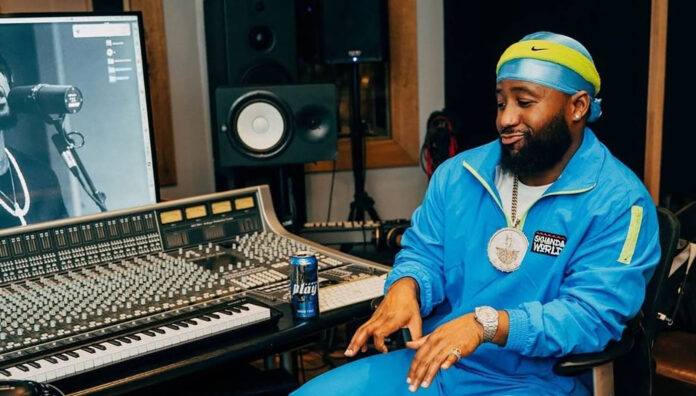
A creative entrepreneur can walk into a bank carrying their most valuable asset on a laptop. It might be a catalogue of songs or the rights to a design archive.
The bank will ask about revenue and how reliably money comes in each month. On paper, the business can look thinner than the value it produces.
The mismatch sits inside a central problem facing South Africa’s creative economy. We have become better at proving the sector matters. We have done less work making individual creative businesses legible to those being asked to finance them.
That is one reason Creative Cnergy exists. We built it as a policy and investment symposium where creative practitioners can sit with the people shaping policy and finance. The 2026 theme, Aligned for Impact, came from a frustration with siloed ways of working. Too many conversations about creativity happen in separate rooms. The artist explains the work in one language. Investors assess risk using another.
At this year’s symposium, that gap came into sharper focus. Unathi Lutshaba, the executive director of the South African Cultural Observatory (Saco), made an important distinction. Evidence on GDP, employment and trade can establish the scale of the creative economy but it is not enough to give an investor confidence in an individual creative project or business.
We have made the case for the sector. We have not made the case for individual creative businesses with the same clarity.
Saco’s latest economic mapping places the combined contribution of the cultural and creative industries, together with sport, at about R271-billion, close to 4% of GDP, while supporting around 1.4-million jobs. At that size, creativity cannot be treated as peripheral to the economy.
A musician recording an album is generating economic activity. So is a film crew arriving on set. But GDP does not contain every form of value creative work carries.
South African sculptor, poet and academic Professor Pitika Ntuli puts the distinction more fundamentally. Before economists begin measuring culture, he says, its value lies in “the capacity of a people to recognise themselves and to recognise one another”. A museum sells tickets while preserving history for people who have not yet been born. A song may earn royalties while carrying memory between generations.
Creative businesses often make money and build their teams in ways conventional lenders are not used to measuring. More than a third of people in South African cultural occupations work freelance, reflecting the kind of irregular, project-based employment increasingly associated with the gig economy. A filmmaker might spend six months on a production, then earn royalties from older work.
Intellectual property makes the mismatch sharper. A song catalogue or body of design work might hold the future earnings of a business, yet the assets remain difficult for conventional lenders to value. If the banker cannot read the asset, the risk can appear greater than it is.
This is where creative-economy data must go next. We need evidence closer to the business. Royalty histories can show how rights become income, while digital audiences reveal demand. The records can show whether earnings are unstable or follow a rhythm traditional lending models do not recognise.
A fund manager assessing a creative company needs to understand project cycles and rights-based income. A bank needs ways to value intellectual property and revenue that does not arrive monthly. Some businesses might need equity. Others might suit project finance.
Better evidence should not be gathered to make creative businesses resemble the companies finance knows how to read. It should allow finance to understand creative businesses as they work.
Saco’s 10-year report traces digital platforms and changes in how creative work is organised, while examining cultural trade and the protection of intellectual property. These are pressures reshaping the businesses investors are being asked to understand.
I return to the entrepreneur carrying a laptop into a bank. The catalogue is where it was. The business arrives with intellectual property rather than a building to pledge as security. What can change is the quality of the conversation around it. That is what I hope Creative Cnergy begins to shift.
• Dlamini is co-founder and executive director of Creative Cnergy, a policy and investment platform bringing government, investors, industry leaders and creatives into closer conversation around South Africa’s creative economy.
- South Africa's cultural and creative industries, combined with sport, contribute about R271-billion to the GDP, nearly 4%, and support around 1.4 million jobs, according to the South African Cultural Observatory (Saco).
- Creative Cnergy was established as a policy and investment symposium to bridge communication gaps between creative practitioners and financiers by aligning language and understanding.
- Many creative entrepreneurs hold intangible assets like intellectual property, which traditional banks find difficult to value, creating challenges in financing creative businesses.
- More than a third of South African cultural workers are freelancers, reflecting project-based employment patterns that conventional lenders struggle to assess.
- Saco's research emphasizes the need for better business-level data on royalties, digital audiences, and income rhythms to enable financiers to accurately evaluate and support creative enterprises.


