


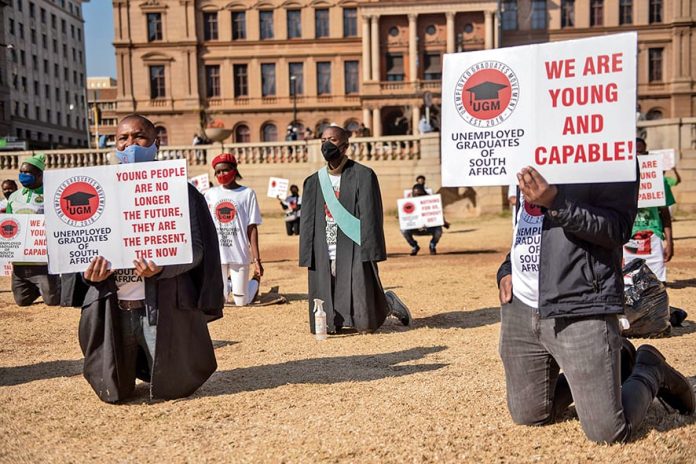
Nearly half of South Africa’s Gen Z and more than half of millennials are putting major life decisions on hold as rising living costs, expensive housing and economic uncertainty squeeze their finances.
The latest Deloitte 2026 Gen Z and Millennial Survey found that 49% of Gen Zs and 54% of millennials have delayed major milestones, including starting a family, pursuing further education or launching a business, because of their financial situation.
Financial pressure shifting traditional adulthood milestones
Lungile Mahluza, Chief People Officer at Deloitte Africa, said financial pressure is changing how young people approach adulthood.
Instead of following what may be considered traditional life milestones, they are waiting until they feel financially secure before making major commitments.
“What the research shows quite clearly is that financial pressure isn’t just creating anxiety—it’s shifting how people are sequencing their lives.
“In South Africa, about half of Gen Z and more than half of millennials are delaying major decisions because of their financial situation. What’s sitting behind that is quite practical,” said Mahluza.
Rising cost of living
She said the biggest drivers are the gap between wages and living costs, expensive housing and South Africa’s wider economic uncertainty, including unemployment and safety concerns.
The survey also found that 64% of both Gen Zs and millennials said housing affordability is influencing where and how they work. She said these decisions are no longer based on age but on financial readiness.
“What you’re seeing is not people stepping back—it’s people saying, ‘Let me stabilise first, then I’ll move.’”
The trend is also reshaping entrepreneurship and education as young people are becoming more cautious about starting businesses because they cannot afford the financial risk, while many are choosing shorter, practical courses that can improve their earning potential instead of committing to lengthy qualifications.
More support for employees
Mahluza said businesses cannot solve South Africa’s economic challenges on their own but they can do more to support employees by offering flexible rewards, meaningful benefits and working arrangements that reduce financial pressure. Employers should also ensure that learning opportunities lead to career and income growth.
“The third is linking learning directly to earning. People are still highly motivated to build skills—but they want to see a clear return. And importantly, organisations need to be more open about this. Financial pressure is already shaping behaviour – it’s just not always being spoken about,” said Mahluza.
While delayed spending and fewer new businesses could weigh on economic growth in the short term, Mahluza believes the trend also reflects a generation making more considered decisions about careers, skills and long-term financial stability.
“This isn’t a generation delaying their lives—it’s a generation recalibrating them. And how quickly those decisions move forward will depend on how much stability and opportunity they see in front of them.”
Read More: Affordability as a strategy: why cost-of-living pressures matter for economic landscape
- Nearly half of South Africa’s Gen Z and more than half of millennials are putting major life decisions on hold as rising living costs, expensive housing and economic uncertainty squeeze their finances.
- The latest Deloitte 2026 Gen Z and Millennial Survey found that 49% of Gen Zs and 54% of millennials have delayed major milestones, including starting a family, pursuing further education or launching a business, because of their financial situation.
- Financial pressure shifting traditional adulthood milestones Lungile Mahluza, Chief People Officer at Deloitte Africa, said financial pressure is changing how young people approach adulthood.
- Instead of following what may be considered traditional life milestones, they are waiting until they feel financially secure before making major commitments.


