


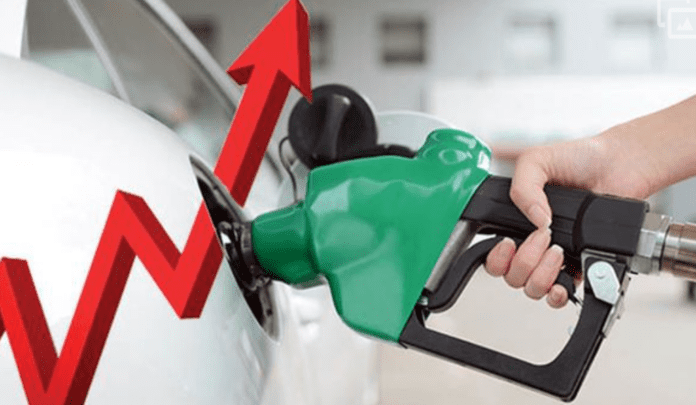
More people are driving less and buying less fuel as consecutive price hikes squeeze household budgets amid the Middle East war.
This is according to recent data from Discovery Insure, showing that motorists purchased 23% less fuel in May, compared to earlier in January and February. Fuel transactions dropped by 17%, while overall driving dropped by 9%, with diesel drivers cutting down the most.
‘Scale of decline unusual’
Robert Attwell, Discovery Insure CEO, said the data is analysed from telematics and fuel card data from more than 200 000 clients and emphasised that the scale of the decline is unusual.
“When compared to the past few years, we rarely see fluctuations of more than 1% in fuel demand and driving behaviour. What we are seeing now reflects the real financial pressure people are under,” said Attwell.
He said people are now spending 15% higher for fuel, showing that they are spending more for less fuel. Diesel vehicle owners reduced their driving by 10.9% in May, compared to 8.9% for petrol drivers.
Female drivers more prudent
Female drivers cut back more than males, travelling 9.5% less compared to 8.6%. Younger drivers, aged 20 to 30, reduced their driving by only 6.8%, while older age groups cut back more sharply, with those aged 50 to 60 driving 10% less.
“Conventional thinking would suggest that younger drivers would cut back the most because they generally have lower disposable incomes. Instead, what the data implies is that younger drivers may have fewer alternatives when it comes to getting to work,” said Attwell.
Steepest decline in Western Cape
Explaining regional differences, he said Western Cape recorded the steepest decline in distance travelled at 15%, followed by the Northern Cape at 14%. Limpopo showed the smallest reduction at 2.6%, while Gauteng motorists drove 6.6% less.
He said while some factors behind the recent fuel increases have started to ease, uncertainty remains around the fuel price outlook, including government’s temporary fuel levy relief measures.
“Many people are already becoming more deliberate about how and when they travel, whether by combining errands, reducing unnecessary trips, planning routes, or making use of delivery services.
“Small changes can make a meaningful difference over time, especially as the fuel price pressure continues,” said Attwell.
- Motorists bought 23% less fuel and drove 9% less in May due to consecutive fuel price hikes linked to the Middle East war, with diesel drivers reducing the most.
- Data from Discovery Insure, based on over 200,000 clients, reveals an unusual scale of decline in fuel demand and driving behavior not seen in recent years.
- Female drivers cut back driving more (9.5%) than males (8.6%), and older drivers (50-60 years) reduced driving by 10%, while younger drivers (20-30 years) cut back the least (6.8%) due to fewer transport alternatives.
- The Western Cape saw the steepest reduction in travel at 15%, with the Northern Cape at 14%, while Limpopo had the smallest decrease at 2.6%.
- Despite some easing of fuel price factors, ongoing uncertainty and government levy relief motivate people to change travel habits, combining errands and reducing trips to save fuel costs.


