


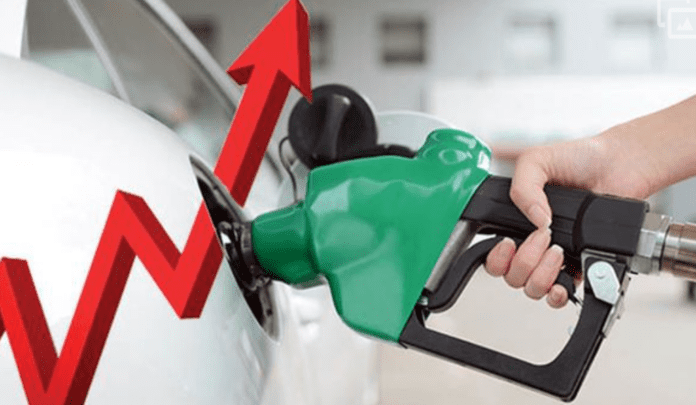
Inflation has sharply increased to 4.5% in May compared to 4% in April.
This is the highest rate since July 2024, when it was 4.6%.
On Wednesday, StatsSA revealed that the main driver behind this surge was a steep increase in fuel prices, as the fuel index jumped by 14.3% in May alone. This pushed the annual fuel inflation rate to 28.7%.
Petrol and diesel surge
Petrol prices have increased by 24.8% over the past year. Diesel has surged by at least 53.8%.
This was pushed by the Middle East war that forced the shutdown of the critical oil passage, the Strait of Hormuz, causing a global oil surge and immediate pressure at the fuel pump stations. South African government intervention included cushioning motorists by offering a fuel levy relief.
Excluding fuel, inflation remains steady at 3.7% in May, which shows slight change from April. Over the past year, this measure has remained with a narrow range of 3.5% to 3.8%.
Food price increases
On the other hand, some food items saw an increase in inflation including milk, dairy products and eggs rose slightly to 0.9%. Several items, including milk and cheese, posted monthly price increases.
Non-alcoholic beverages followed a similar trend, with inflation edging up to 4.9%. Tea prices, including both Ceylon and rooibos, continued to rise.
The “other food” category also saw rising inflation, climbing to 4.9% from 4.1% in April. Products such as salad dressing, mayonnaise and salt recorded both monthly and annual price increases.
Overall food inflation easing
However, overall food inflation continues to ease as the annual rate for food and non-alcoholic beverages dropped to 1.9% in May from 2.9% in April. This remains below the 5.7% peak recorded last June. Maize meal and brown bread were both cheaper compared to a year ago.
“Meat inflation cooled in May, recording an annual increase of 7.3% compared with April’s 9.4%. The monthly rate was -0.8%. Stewing beef prices dropped by 3.0% and beef mince by 2.4% between April and May.
“The annual increase for these two products was 2.8% and 10.6% respectively. Inflation for individual quick frozen (IQF) portions also decelerated, declining to 6.7% in May from 7.3% in April,” said StatSA in a statement.
Read More: Motorists cut fuel spending by 35% as prices surge amid war in Middle East
- Inflation rose to 4.5% in May from 4% in April, reaching the highest rate since July 2024.
- The surge was mainly driven by a 14.3% monthly increase in fuel prices, pushing annual fuel inflation to 28.7%, with petrol up 24.8% and diesel up 53.8%.
- The Middle East war and closure of the Strait of Hormuz caused global oil price spikes; South Africa offered fuel levy relief to ease the impact.
- Food inflation showed mixed trends: slight increases in dairy, eggs, non-alcoholic beverages, and some condiments, but overall food inflation eased to 1.9% annually.
- Meat inflation cooled to 7.3% annually in May, with some price drops in stewing beef, beef mince, and frozen portions.


