


The inflation rate has increased to its highest level in two years at 5%, piling pressure on households ahead of the interest rate decision.
Statistics South Africa revealed that the consumer inflation rate increased from 4.5% in May to 5% and has been recorded as the highest since June 2024, when it stood at 5.1%.
Consumer prices also increased by 0.7% between May and June, matching the monthly rise recorded a month earlier.
The sharp increase comes as the South African Reserve Bank’s Monetary Policy Committee (MPC) will announce its latest interest rate decision on Thursday. The interest rate was increased by 25 basis points to 7% in May, lifting the prime lending rate to 10.50%.
Iran, US conflict pushes up oil prices
The biggest driver behind the inflation spike was transport costs as the conflict in the Middle East continued to disrupt global oil markets and push up crude oil prices.
Annual transport inflation accelerated to 12.7% in June, up from 9.4% in May, making it the largest contributor to the increase in the consumer price index (CPI).
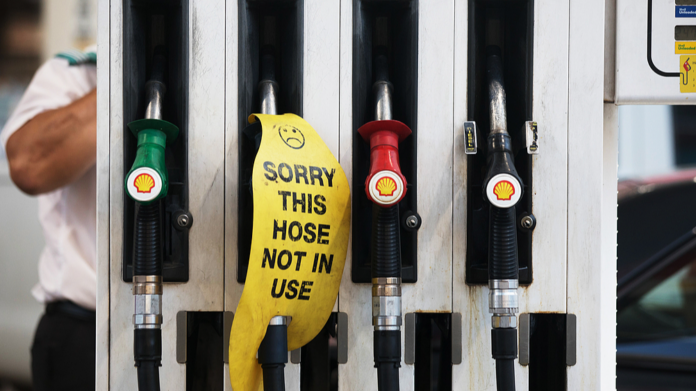
The surge in global oil prices resulted in financial pressure at the fuel stations, and, despite cuts on the fuel levy to cushion motorists, this placed a strain on consumers and businesses already battling higher living expenses.
Fuel prices surged 34.3% over the past year, with diesel prices jumping 50.8% and petrol prices rising 31.7%.
The higher cost of filling up vehicles also spilled over into public transport. Passenger transport inflation rose by 8.1% during June, lifting the annual rate to 12.5% from 4.0% in May.
Minibus taxi fares increased by 11.5% during the month, while e-hailing services rose 8.7%. Long-distance bus fares climbed 8.4%, and school transport costs increased 3.7%.
Some relief with groceries
Despite the fuel-driven inflation shock, there was some relief for consumers at the grocery store.
Annual inflation for food and non-alcoholic beverages slowed to 1.6% in June from 1.9% in May and 2.9% in April.
Basic food items continued to become cheaper than a year ago as cereal products recorded a fifth consecutive month of deflation, falling 1.5% annually. White rice prices dropped 13.4%, maize meal declined 5.9%, while samp and porridge also became cheaper.
Meat inflation also continued to ease as the annual rate slowed to 5.1%, down from a peak of 13.5% in January. Beef mince inflation cooled to 3.9%, while stewing beef moved into deflation, falling 2.7% compared with a year earlier.
Some meat products, however, remained expensive including pork, its inflation stood at 13.9%, while mutton and lamb rose 8.4%. Processed meat products also continued to record strong price increases, with sausages rising 11.8%, corned meat 10.2% and bacon 8.6%.
Consumers also continued to pay more for their morning beverages. Hot beverages inflation reached 7.4%, extending a trend that has kept price increases above 6% for four consecutive years. Black tea prices rose 8.3%, while instant coffee increased 7.0%.
ALSO READ: SA consumers spend nearly half their income on debt repayments, reveals report
- South Africa's inflation rate rose to 5% in June, the highest in two years, led by a 0.7% monthly increase in consumer prices.
- Rising fuel costs driven by Middle East conflict pushed transport inflation up sharply, with fuel prices increasing 34.3% annually and passenger transport costs up 12.5% year-on-year.
- The South African Reserve Bank is preparing to announce an interest rate decision amid this inflation spike, having raised the rate to 7% in May.
- Food inflation eased, with staple items like cereal products, rice, and maize meal becoming cheaper, while some meats like pork and processed products saw significant price increases.
- Hot beverage prices also rose steadily, with inflation in this category above 6% for four consecutive years, including an 8.3% rise in black tea and 7.0% in instant coffee.


