


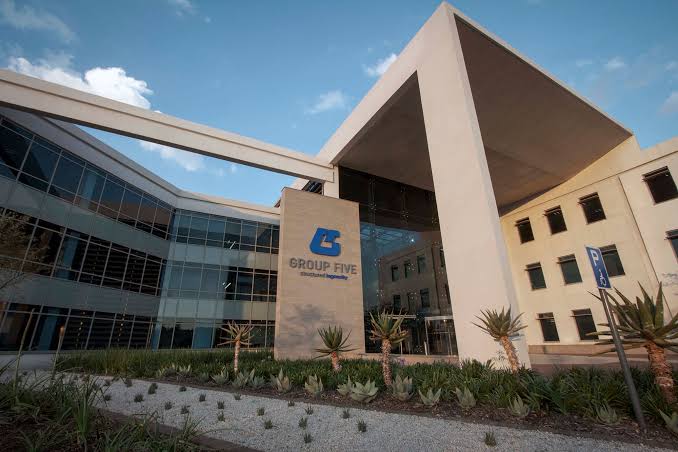
Group Five has completed one of the largest business rescue processes, which took six years to complete.
The exit for both Group Five Construction and Group Five was confirmed by joint business rescue practitioners (BRPs) Dave Lake and Peter van den Steen of Metis Strategic Advisors.
They confirmed that all secured and preferential creditors have been paid in full and concurrent creditors have either been fully paid or sufficient funds have been set aside for their payment under the approved business rescue plans.
The group that entered business rescue in March 2019 was weighed down by about R7-billion in debt and contingent liabilities. It had more than 2 300 creditors, 119 active projects and nearly 6 000 employees operating through 180 companies across 38 countries.
At the time, independent modelling by PwC showed that liquidation would have left secured creditors recovering as little as 65 cents in the rand, while concurrent creditors would have received just 3.4 cents, with shareholders expected to receive nothing.
‘Rescue exceeds expectations’
Lake said despite the scale of the collapse, the rescue process delivered a better outcome than initially expected.
“The process has over-achieved in its primary objectives: maximising recoveries for creditors and lenders, saving jobs and business entities, settling tax obligations, likely unlocking some value for shareholders, while stabilising and restructuring a highly complex group in an orderly manner,” said Lake.
Group Five’s collapse came after years of mounting financial pressure. The company was hit by heavy debt, losses on major construction projects in South Africa, Africa and the Middle East, worsening cash flow and declining activity in the local construction industry.
Attempts to sell assets and restructure its finances failed, leaving the board with little option but to place the company into business rescue.
Since then, the rescue practitioners have overseen one of the country’s most complex restructurings. The process involved dismantling the group’s sprawling corporate structure, resolving inter-company loans, selling businesses and assets, liquidating subsidiaries and dealing with legal disputes across multiple jurisdictions.
Companies trimmed to 54
The rescue has reduced the group from 179 companies at the start of the process to just 54 by May this year, with most of the remaining work involving final legal, tax and corporate matters before the group can be fully wound down.
Of the 119 construction projects that were active when the company entered business rescue, 101 were successfully completed or preserved, limiting further financial losses and reducing claims against the company.
Around 60 businesses and assets were also sold, including Intertoll Europe and Everite, with proceeds exceeding expectations before business rescue began.
Less than 15% of the group’s approximately 5 862 employees were retrenched during the six-year process, with many transferring to businesses that were sold as going concerns.
Liquidation avoided
Lake said avoiding liquidation had also prevented further damage to South Africa’s already struggling construction sector.
“Our mandate under the Companies Act was to deliver a better outcome than liquidation, and to do so in a manner that ‘balances the rights and interests of all relevant stakeholders’.
“That meant protecting value where it was sustainable, safeguarding employment where viable, and ensuring that the broader economic ecosystem was not destabilised.”
Anthony Clacher, Chief financial officer, said the company would now focus on responsibly concluding the remaining matters while ensuring that all outstanding obligations are managed prudently on behalf of stakeholders.
- Group Five successfully completed a six-year business rescue process, resolving about R7-billion in debt and liabilities while paying all secured and preferential creditors in full.
- The rescue reduced the group’s operations from 179 to 54 companies, completed or preserved 101 of 119 active projects, and sold around 60 businesses and assets, exceeding financial recovery expectations.
- Less than 15% of nearly 6,000 employees were retrenched, with many staff transferring to newly acquired businesses, helping save jobs amid the restructuring.
- The process avoided liquidation, which would have severely reduced creditor repayments and further harmed South Africa's construction industry, stabilizing the group and mitigating sector impact.
- The company will now focus on concluding remaining legal, tax, and corporate matters while responsibly managing outstanding obligations for stakeholders.


