


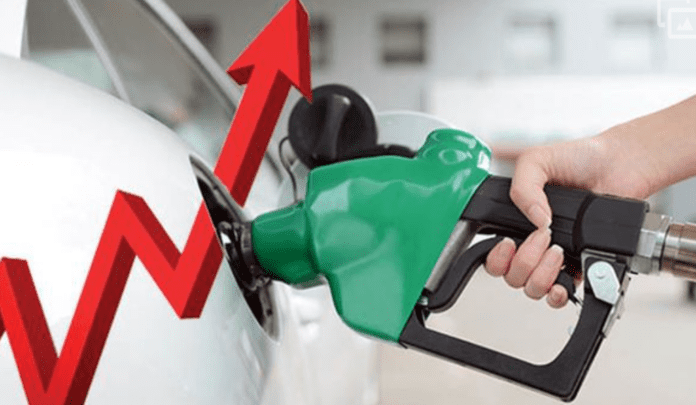
Households are being warned not to simply absorb the latest surge in fuel prices considering that sharp increases threaten to squeeze already stretched budgets.
Hayley Parry, money coach and facilitator at 1Life’s Truth About Money, said the rise in fuel costs represents a financial shock that requires an active response from consumers.
‘Classic cost shock’
Parry highlighted that prior to the US and Israeli attacks against Iran late in February, petrol cost R20.30 per litre and diesel was slightly lower at R18.14 per litre. The script has flipped with petrol now at R26.63 per litre and diesel higher at R32.10.
This represents a 30% and 75% increase respectively and the pricing has also been cushioned by government’s intervention by cutting down fuel levies.
“This is known as a classic cost shock because it is a huge number, and for people whose transport costs already account for a large portion of their budget, it will obviously have a significant negative impact on households.
“I think the key here is that households should not just passively absorb this. These kinds of increases require really proactive responses from us as consumers, and the most resilient kind of response you want to look at is approaching it in a number of ways,” said Parry.
Fuel is a major component of monthly spending for many South Africans, particularly those who rely on private transport to commute.
Pressure on disposable income
Parry said a sudden jump of this scale places immediate pressure on disposable income and can quickly destabilise household finances if left unmanaged.
“The first is that you want to actively rebalance your spending. For example, if the cost of fuel is going to go up in your budget by R1 000 in May, then you need to look at something else you can reduce your spending on by the same amount, such as cutting back on subscriptions, dining out, or something like that,” said Parry.
Alternatives consumers can explore
With transport costs rising, he said consumers should explore alternatives such as carpooling or remote working arrangements.
“The next area you want to look at is reducing usage where possible. This obviously means cutting down the amount of petrol or diesel you spend, perhaps by carpooling or by talking to your office about increasing the number of days you work from home rather than having to travel. Ultimately, if you can reduce the amount of petrol or diesel you use, that will also obviously help.
“The final piece is around ensuring that you prioritise your cash flow. This links back to the first point about rebalancing your budget and figuring out how you are going to manage these increases, because what we really want to avoid is these increases causing you to slip into debt. That is what we really want to defend against,” said Parry.
- Fuel prices in South Africa have surged sharply, with petrol rising from R20.30 to R26.63 per litre and diesel from R18.14 to R32.10 since February, representing increases of 30% and 75% respectively.
- Money coach Hayley Parry warns this "classic cost shock" poses serious financial strain, especially for households heavily reliant on transport.
- Consumers are urged to respond proactively by rebalancing budgets, cutting discretionary spending such as subscriptions and dining out to offset increased fuel costs.
- Alternative strategies include reducing fuel usage by carpooling or negotiating remote work to lower commuting expenses.
- Prioritizing cash flow management is critical to avoid falling into debt due to rising fuel costs and to maintain household financial stability.


