


An economist has warned that the ongoing Middle East conflict, which has seen fuel prices soaring to record levels, could drive the economy into recession.
A technical recession reflects two consecutive quarters of negative growth.
The global oil disruptions by the Middle East conflict have slowed down economic recovery but is not expected to derail its growth trajectory.
This according to Sanisha Packirinsamy, Momentum chief economist, after Statistics SA revealed on Tuesday that the gross domestic product (GDP) recorded a negative growth when it declined by 0.2% for the second quarter of 2026.
“Inflation and monetary policy trends acted as tailwinds for the consumer earlier this year, but these have turned into headwinds on the back of the Iranian conflict as higher inflation outcomes lower disposable income growth and a cautious stance on monetary policy act as a burden for debt-laden consumers,” said Pakirinsamy.
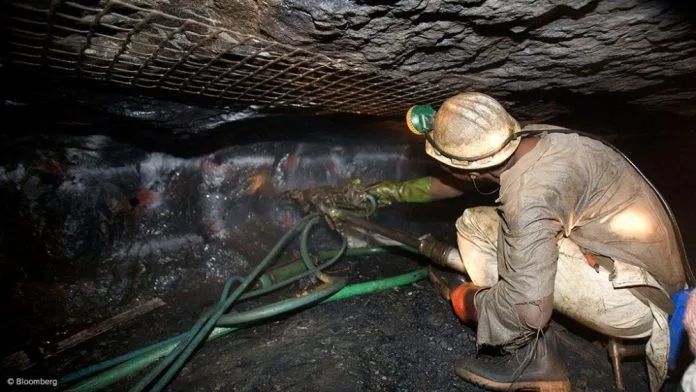
Mining, manufacturing drag down GDP
She said the figures highlighted an uneven performance of the economy with manufacturing, mining and construction continued to weigh on growth, while services industries provide support.
READ: GDP drops 0.2% in second quarter of 2026
Pakirinsamy said the manufacturing sector has dropped below 7% its level in the first quarter of 2008 around the time of global financial crisis and 5% below its level at the start of the Covid-19 pandemic. Manufacturing has recorded a 1.8% decline in period.
The sector has been constrained by higher tariffs, stringent labour laws, weaker external demand, a stronger rand and increasing global protectionism.
Construction has shown a slight growth in the period but Pakirinsamy said it remained a weakness as activity is 20% below 2008 levels and 27% below pre-pandemic levels. She attributed the weakness partially to sluggish pipeline of bankable projects and policy uncertainty, which has a negative impact on investment.
El Niño expected to increase fertiliser prices
Packirinsamy warned agriculture may face challenges in the upcoming quarters, not in that higher fertiliser and diesel costs, together with deteriorating weather conditions, could weigh on the sector during the next planting season.
“Forecasts from the World Meteorological Organisation Global Producing Centres indicate an “exceptionally high likelihood of nearly 100%” that El Niño will persist through to February 2027, with a more-than-90% chance of strong El Niño conditions prevailing later this year.
“According to Statistics South Africa, the Western Cape (24%), KwaZulu-Natal (21%) and the Free State (11%) are the largest provincial contributors to the agriculture sector. Consequently, dry weather conditions in the Western Cape can compound growth concerns for this sector,” said Packirinsamy.
Growth still possible amid challenges
Despite the challenges, Packirinsamy said the country could possibly achieve sustainable growth of above 2% depending on successful reform implementation and revival in business confidence.
“South Africa’s longer-term growth outlook, in our view, remains intact as the first two phases of the Operation Vulindlela reform programme began removing some of the economy’s most binding constraints.
“The hope for Phase 3 is to move from repairing enabling infrastructure to generating growth directly, through the completion of energy and logistics reforms, while targeting sectors in which South Africa has a competitive advantage and substantial employment potential, including mining, agriculture, tourism and infrastructure.
“A stronger focus on Johannesburg, investor confidence, crime and corruption should reinforce these gains. Successful execution could lift South Africa’s growth rate to above 2% sustainably, in our view, but a reignition in business sentiment will be key to achieving this,” said Packirinsamy.
Christelle Grobler, macro-economic analyst at Standard Bank, said the decline was larger than expected pushed by affordability and cost pressures pushed by the war.
“The expenditure on GDP data points to some resilience on the part of consumers. Household consumption expenditure increased by 0.4% on a quarterly basis with food and non-alcoholic beverages remaining quite strong,” said Grobler.
- The South African economy recorded a 0.2% decline in GDP for the second quarter of 2026, indicating negative growth amid the Middle East conflict's impact on fuel prices.
- Manufacturing has declined by 1.8% during the period, constrained by higher tariffs, stringent labor laws, weaker external demand, a stronger rand, and increasing global protectionism.
- Construction activity remains weak, with levels 20% below 2008 and 27% below pre-pandemic levels due to a sluggish pipeline of bankable projects and policy uncertainty.
- There is a nearly 100% likelihood that El Niño will persist through February 2027, potentially raising fertiliser and diesel costs and posing challenges for the agriculture sector, especially in the Western Cape, KwaZulu-Natal, and Free State.
- Despite challenges, sustainable growth above 2% is possible if reforms under Operation Vulindlela succeed, including energy and logistics reforms and improving business confidence and investor sentiment.


