


As the economic outlook for South Africa worsens due to the conflict in the Middle East, which has spiked oil prices, banking group Nedbank has revised the economic outlook, predicting a spike in inflation, no interest rate cuts in 2026 and economic growth of just 1.3%.
Jason Quinn, Nedbank chief executive, said they had initially expected a gradual recovery in South Africa, which was supported by stable inflation and lower borrowing costs. At the release of its annual results in March, South Africa’s fourth largest bank by assets said it expected conditions to improve, with GDP set to expand by 1.5% and 1.8% between 2026 and 2028.
At the time, inflation was expected to remain contained to create room for further rate cuts and supporting credit demand, but the global shock has changed the domestic outlook, with fuel hikes expected to feed into food and other prices and slow down economic activity.
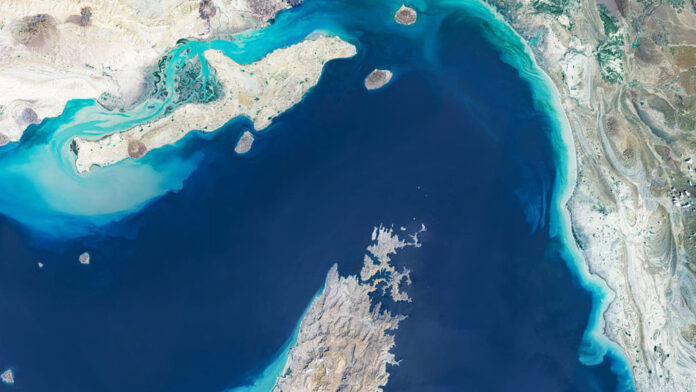
Brent Crude oil surged past $100 a barrel after the US and Israel launched attacks on Iran, sending fuel price shock waves across the world. On Saturday morning, Brent was trading at just above $90 following declaration of a two week cease fire and the reopening of the Strait of Hormuz, through which a quarter of the world’s oil passes.
“Following our initial assessment of developments in the Middle East, which have resulted in significantly higher oil prices, we now expect inflation to increase above 4% in 2026, and potentially 5% in a worse-case scenario, and as a result, we are not likely to see any interest rate cuts this year. Our GDP growth forecast for 2026 has also been trimmed to 1.3%,” said Quinn.
The bank further expects inflation to climb to 4%, at the upper band of the tolerance level set by the Reserve Bank and Treasury, and even shoot up to 5% if there is no resolution to the conflict.
At the presentation of the budget in February, Treasury said it expected a slight recovery in real GDP growth, increasing to 1.6% in 2026 from 1.4% in 2025, and reaching 2% by 2028. This outlook was backed by structural reforms, lower interest rates and stronger investor confidence, although problems such as logistics delays and infrastructure shortages are still major risks. However, this forecast did not factor in the war in Iran.
Professor Raymond Parsons of the North West University’s School of Business and Governance told Sunday World South Africa may only manage to avoid small setback to growth and a short period of higher inflation this year.
He said Nedbank’s scenario showed that adjusting to major global economic shock is never easy or without cost.
“However, compared to Nedbank, the IMF this week cut its 2026 growth forecast for South Africa in 2026 from 1.4.% to only 1%, which is a more pessimistic outcome. Whether the Nedbank ‘worst case’ scenario materialises will depend on how much longer the Middle East conflict lasts, what interest rates will do, and what further steps the government takes to cushion the impact,” said Parsons.
This highlighted the urgency of the ministerial task team that was appointed to coordinate government’s response to rising living costs, fuel prices and food security, he added.
Dawie Roodt, chief economist of Efficient Group, said the government’s 1.6% growth forecast for 2026 was too optimistic as he had always believed that growth would be around 1.3%, but that was before war broke in Iran.
“I initially understood that our GDP will grow by 1.3%, and with the ongoing Middle East war I forecast that growth will be around 1% or less. Inflation should go up to 5% around May and this may be considered good or bad news because if it goes up we get to cover up the costs of the war, and it will help us drop it by this time next year.
“What I mean is that we should expect a better economy only next year because I expect the war to end in the coming weeks but this would not mean an immediate recovery. Even with fuel, it might take at least eight months after the war for brent crude to drop to less than $80 a barrel, things may look tough now but next year looks better,” said Roodt.
While Nedbank signalled the repo rate will remain unchanged for the rest of the year, Roodt said it might go up by 50 basis points, separated into two 25 basis points increases. He said it would then be expected to drop the following year.
Visit SW YouTube Channel for our video content
- Nedbank downgraded South Africa's 2026 economic growth forecast to 1.3% and expects inflation to rise above 4%, potentially reaching 5%, due to higher oil prices triggered by the Middle East conflict.
- The bank no longer anticipates any interest rate cuts in 2026, reversing earlier expectations based on stable inflation and lower borrowing costs.
- Brent Crude oil prices surged past $100 a barrel following US-Israel attacks on Iran, causing global fuel price shocks; prices eased slightly after a ceasefire and reopening of the Strait of Hormuz.
- South Africa's Treasury forecasted a GDP growth of 1.6% for 2026, not accounting for the conflict, while experts like IMF and economists predict growth between 1% and 1.3% under the war's impact.
- Analysts emphasize the need for government action to manage rising living costs and inflation and expect a slow recovery with inflation peaking around mid-2024 and improvements seen only by late 2024 or 2025.


