


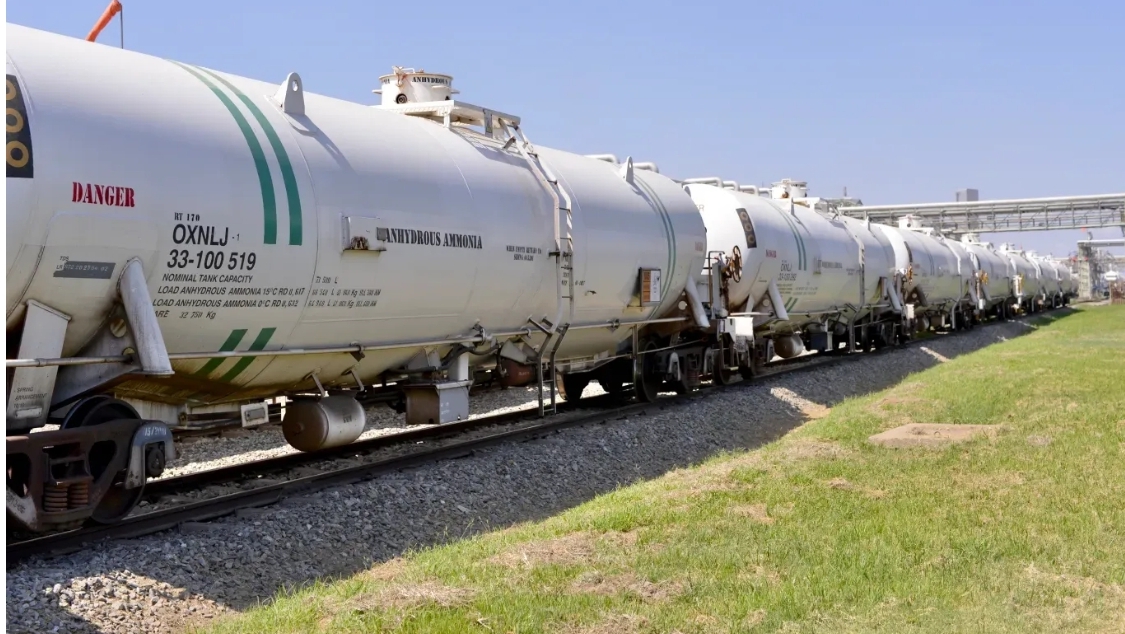
Diversified chemicals group Omnia Holdings increased first-half profit by 29% and grew operating profit by 26%, aided by stronger commodity-linked pricing, improved operational performance and gains from asset disposals despite a difficult global backdrop marked by geopolitical tensions, supply chain disruptions and input-cost volatility.
Omnia generates income from three core sectors: agriculture, mining and chemicals. Its agriculture division supplies fertilisers, biostimulants and crop nutrition services to farmers across several international markets, while its mining business manufactures explosives, detonators and blasting solutions for mining companies. The chemicals division produces and distributes speciality chemicals, including water-treatment products.
Read more: Explosives drive 21% profit rise for Omnia, offsetting Iran war disruptions
Mining was the group’s most profitable business during the first half of financial 2027, contributing R655 million in operating profit, followed by agriculture at R517 million and chemicals at R97 million.
Revenue rose 2% to R11.41 billion in the six months to September 30, 2026, while operating profit climbed to R1.14 billion and headline earnings per share increased 25% to 399 cents. The group also maintained a net cash position of R366 million, excluding lease liabilities, although working capital increased sharply as commodity prices rose and agricultural demand was delayed.
Mining and agriculture drive earnings
The mining business delivered a strong performance, with revenue increasing 10.5% to R5.36 billion and operating profit rising 14.9% to R655 million. Growth was supported by higher commodity-linked pricing, new contract wins and extensions, particularly in Southern Africa, despite disruptions in West Africa and softer conditions in some international commodity markets.
Agriculture remained resilient even as farmers delayed fertiliser purchases amid softer grain prices and weather uncertainty. Segment revenue declined 3.9% to R5.44 billion, but operating profit increased 12.9% to R517 million as higher selling prices, manufacturing improvements and cost controls supported margins.
Chemicals return to profit
Omnia’s chemicals division returned to profitability, posting an operating profit of R97 million compared with a R22 million loss a year earlier. The turnaround was driven by a streamlined cost base, stronger Water Care margins and a R70 million gain from asset disposals as the company continued to rationalise the business.
Group profit for the period rose to R702 million from R544 million a year earlier, while earnings per share increased 31% to 428 cents. Operating margins improved to 9.9% from 8.0%, placing performance within management’s medium-term guidance range of 9% to 11%.
Capital expenditure and growth investment
Capital expenditure totalled R307 million during the period, down from R359 million a year earlier. Spending focused on safety, maintenance, regulatory compliance and growth projects, including manufacturing upgrades at Sasolburg, expansion of the ammonia road tanker fleet, agricultural production capacity projects and mining infrastructure investments in Canada, Australia and Namibia.
Read more: Limpopo police seize R975 000 worth of explosives on N1, arrest two foreign nationals
The company also continued investing in renewable energy infrastructure. A fourth phase of its solar expansion programme is expected to lift installed capacity to 19.8MW, with cumulative investment of about R244 million since financial year 2022, while a 15MWh battery energy storage project has commenced.
Acquisition deal gains shareholder backing
A proposed acquisition of Omnia by Solar SA Investments, an indirect wholly owned subsidiary of India’s Solar Industries, advanced during the reporting period. Shareholders holding 99.97% of votes cast backed the scheme of arrangement, representing 74.93% of Omnia’s issued ordinary share capital, under which shareholders would receive R134.50 a share in cash.
Omnia said the transaction is expected to accelerate growth in its mining and agriculture businesses through broader market access, enhanced manufacturing capability and expanded research and development resources. The deal remains subject to outstanding conditions.
Wage gap disclosure absent
The results did not disclose a gender pay gap, wage gap metric or related remuneration disparity measure. The report includes executive compensation disclosures and share-based payment information, but no wage-gap statistics were provided.
Management said the group remains focused on safety, operational resilience and disciplined execution as it enters the second half of the financial year, supported by a diversified geographic footprint across more than 20 countries and exposure to agriculture, mining and chemicals markets.
- Omnia Holdings increased first-half profit by 29% and operating profit by 26% to R702 million and R1.14 billion respectively, driven by stronger commodity pricing and operational improvements.
- The mining division was the most profitable, contributing R655 million in operating profit, with revenue rising 10.5% to R5.36 billion.
- Agriculture segment saw a 3.9% decline in revenue to R5.44 billion but a 12.9% increase in operating profit to R517 million due to higher prices and cost controls.
- The chemicals division returned to profitability with an operating profit of R97 million, including a R70 million gain from asset disposals.
- Shareholders approved a proposed acquisition by Solar SA Investments, with 99.97% of votes cast supporting the deal, where shareholders would receive R134.50 per share in cash.
Diversified chemicals group Omnia Holdings increased first-half profit by 29% and grew operating profit by 26%, aided by stronger commodity-linked pricing, improved operational performance and gains from asset disposals despite a difficult global backdrop marked by geopolitical tensions, supply chain disruptions and input-cost volatility.
Omnia generates income from three core sectors: agriculture, mining and chemicals. Its agriculture division supplies fertilisers, biostimulants and crop nutrition services to farmers across several international markets, while its mining business manufactures explosives, detonators and blasting solutions for mining companies. The chemicals division produces and distributes speciality chemicals, including water-treatment products.
Read more: Explosives drive 21% profit rise for Omnia, offsetting Iran war disruptions
Mining was the group's most profitable business during the first half of financial 2027, contributing R655 million in operating profit, followed by agriculture at R517 million and chemicals at R97 million.
Revenue rose 2% to R11.41 billion in the six months to September 30, 2026, while operating profit climbed to R1.14 billion and headline earnings per share increased 25% to 399 cents. The group also maintained a net cash position of R366 million, excluding lease liabilities, although working capital increased sharply as commodity prices rose and agricultural demand was delayed.
The mining business delivered a strong performance, with revenue increasing 10.5% to R5.36 billion and operating profit rising 14.9% to R655 million. Growth was supported by higher commodity-linked pricing, new contract wins and extensions, particularly in Southern Africa, despite disruptions in West Africa and softer conditions in some international commodity markets.
Agriculture remained resilient even as farmers delayed fertiliser purchases amid softer grain prices and weather uncertainty. Segment revenue declined 3.9% to R5.44 billion, but operating profit increased 12.9% to R517 million as higher selling prices, manufacturing improvements and cost controls supported margins.
Omnia's chemicals division returned to profitability, posting an operating profit of R97 million compared with a R22 million loss a year earlier. The turnaround was driven by a streamlined cost base, stronger Water Care margins and a R70 million gain from asset disposals as the company continued to rationalise the business.
Group profit for the period rose to R702 million from R544 million a year earlier, while earnings per share increased 31% to 428 cents. Operating margins improved to 9.9% from 8.0%, placing performance within management's medium-term guidance range of 9% to 11%.
Capital expenditure totalled R307 million during the period, down from R359 million a year earlier. Spending focused on safety, maintenance, regulatory compliance and growth projects, including manufacturing upgrades at Sasolburg, expansion of the ammonia road tanker fleet, agricultural production capacity projects and mining infrastructure investments in Canada, Australia and Namibia.
Read more: Limpopo police seize R975 000 worth of explosives on N1, arrest two foreign nationals
The company also continued investing in renewable energy infrastructure. A fourth phase of its solar expansion programme is expected to lift installed capacity to 19.8MW, with cumulative investment of about R244 million since financial year 2022, while a 15MWh battery energy storage project has commenced.
A proposed acquisition of Omnia by Solar SA Investments, an indirect wholly owned subsidiary of India's Solar Industries, advanced during the reporting period. Shareholders holding 99.97% of votes cast backed the scheme of arrangement, representing 74.93% of Omnia's issued ordinary share capital, under which shareholders would receive R134.50 a share in cash.
Omnia said the transaction is expected to accelerate growth in its mining and agriculture businesses through broader market access, enhanced manufacturing capability and expanded research and development resources. The deal remains subject to outstanding conditions.
The results did not disclose a gender pay gap, wage gap metric or related remuneration disparity measure. The report includes executive compensation disclosures and share-based payment information, but no wage-gap statistics were provided.
Management said the group remains focused on safety, operational resilience and disciplined execution as it enters the second half of the financial year, supported by a diversified geographic footprint across more than 20 countries and exposure to agriculture, mining and chemicals markets.


