


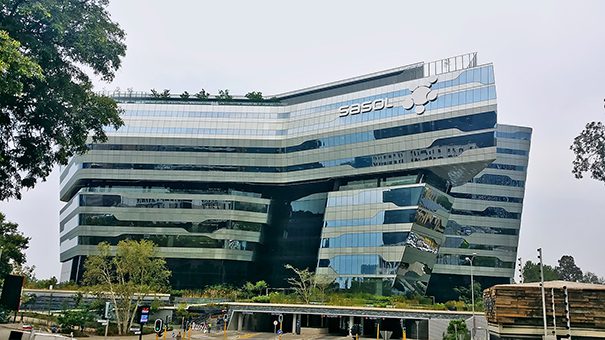
Sasol Group has reported a sharp improvement in earnings for the year ended June 30, 2026, driven by stronger operational performance, higher fuel production and improved refining margins, despite significant asset impairments and ongoing market volatility.
The company recorded earnings before interest and tax (EBIT) of R25.7 billion, up 37% from the previous year, while adjusted EBITDA increased 17% to R61 billion. Profit attributable to shareholders rose to R12.1 billion, with basic earnings per share climbing 79% to R18.99.
Cash generated from operations strengthened to R56.7 billion, reflecting improved production volumes and a more favourable macroeconomic environment during the latter part of the financial year.
Debt reduction boosts balance sheet
Sasol reduced net debt by 11% to US$3.3 billion (R53 billion), down from US$3.7 billion a year earlier, supported by continued cash generation and disciplined capital allocation. Total debt also declined to US$5.7 billion from US$5.8 billion, while liquidity remained strong at approximately US$5 billion.
The group also extended its debt maturity profile through the issuance of new debt instruments and partial repayment of bonds due in 2028 and 2029, helping to lower refinancing risk.
Fuels business shines
The standout performer was Sasol’s Fuels segment, where EBIT jumped to R19.9 billion from R5.2 billion in the previous year. Higher sales volumes, stronger oil prices, favourable refining margins and improved production at both Secunda Operations and the Natref refinery supported the improvement.
Liquid fuel sales volumes increased by 13% year-on-year, supported by stronger demand and improved operational reliability.
Meanwhile, Chemicals America delivered a strong turnaround, reporting EBIT of R4.1 billion, while Chemicals Eurasia returned to profitability with EBIT of R1.5 billion.
Impairments remain a challenge
Despite the stronger financial performance, Sasol booked total impairments of R16.8 billion, linked mainly to its Secunda liquid fuels refinery, polyethylene operations and Mozambique gas assets.
“Total impairments of R16.8 billion were 19% lower than the R20.7 billion in the prior year and related mainly to the Secunda liquid fuels refinery cash-generating units (CGU) (R7.7 billion), the Polyethylene CGU (R3.7 billion) and the production-sharing agreement development in Mozambique (R3.8 billion). While management actions improved the recoverable amount of the Secunda CGU, these benefits were offset by the stronger forecast Rand/US$ exchange rate,” explained the company in the annual financial report.
No final dividend
Although Sasol improved its free cash flow generation and reduced debt, shareholders will not receive a final dividend. The company’s dividend policy requires that net debt, excluding leases, remain sustainably below US$3 billion before the company makes any distributions. Net debt stood at US$3.3 billion at year-end.
The board said it therefore decided not to declare a final dividend.
Looking ahead, Sasol said it remains focused on strengthening its balance sheet, improving operational performance and advancing its emissions reduction roadmap as it transitions toward a lower-carbon future. The company reiterated that it has sufficient liquidity and resources to continue operating as a going concern.
- Sasol Group reported a 37% increase in EBIT to R25.7 billion and a 17% rise in adjusted EBITDA to R61 billion for the year ended June 30, 2026.
- Profit attributable to shareholders rose to R12.1 billion, with basic earnings per share up 79% to R18.99.
- Net debt was reduced by 11% to US$3.3 billion, while total debt declined to US$5.7 billion and liquidity remained around US$5 billion.
- The Fuels segment's EBIT increased to R19.9 billion from R5.2 billion, driven by higher sales volumes, oil prices, and refining margins.
- Sasol booked total impairments of R16.8 billion mainly related to the Secunda refinery, polyethylene operations, and Mozambique gas assets, and decided not to declare a final dividend due to net debt exceeding US$3 billion.


