


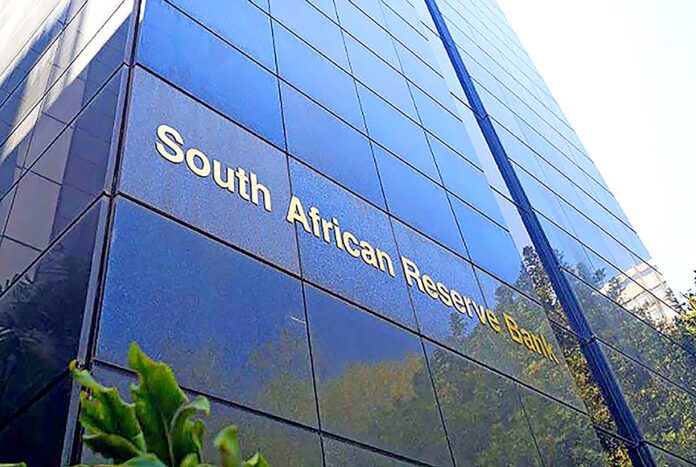
The South African Reserve Bank (SARB) has moved to dismantle the existing structure for managing the national payment system and replace it with a modernised framework.
The central bank is in the process of withdrawing its recognition of the Payment Association of South Africa (PASA) as a Payment System Management Body (PSMB), a move that forms part of its broader Payments Ecosystem Modernisation (PEM) programme.
Reform to accommodate innovation
According to the Reserve Bank, the reform is aimed at creating a payment system that is safer, more efficient and better able to accommodate innovation, including the growing role of non-bank fintech companies.
From Tuesday, some PASA functions, employees and intellectual property will be transferred to the SARB. The withdrawal of PASA’s recognition will, however, not disrupt everyday payments.
The SARB said consumers and businesses would be able to continue making and receiving payments as normal, with card payments, electronic transfers, debit orders and ATM withdrawals unaffected by the transition.
“PASA will continue to fulfil its current duties during the transition period and will work with the SARB, PayInc and other affected stakeholders to support an orderly and effective transfer.
“Stakeholders will continue to have opportunities to engage with the SARB on payment system matters through established consultation and engagement processes,” the central bank said.
- The South African Reserve Bank (SARB) is replacing the current national payment system management structure with a modernised framework.
- SARB is withdrawing its recognition of the Payment Association of South Africa (PASA) as a Payment System Management Body (PSMB) as part of the Payments Ecosystem Modernisation (PEM) programme.
- The reform aims to create a safer, more efficient payment system that supports innovation and the increasing role of non-bank fintech companies.
- Starting Tuesday, some PASA functions, employees, and intellectual property will be transferred to SARB, but everyday payment services will continue uninterrupted.
- PASA will maintain its current responsibilities during the transition and collaborate with SARB, PayInc, and other stakeholders to ensure an orderly transfer, with continued engagement opportunities for stakeholders.


