


South Africa can ill afford another economic shock. Yet, as Finance Minister Enoch Godongwana prepares to deliver his Medium-Term Budget Policy Statement on October 21, the warning signs are becoming difficult to ignore.
Fuel prices are surging, inflation risks are returning, borrowing costs remain high and economic growth is weakening. For a country already battling extraordinary levels of unemployment, this is dangerous.
And the next blow may already be approaching.
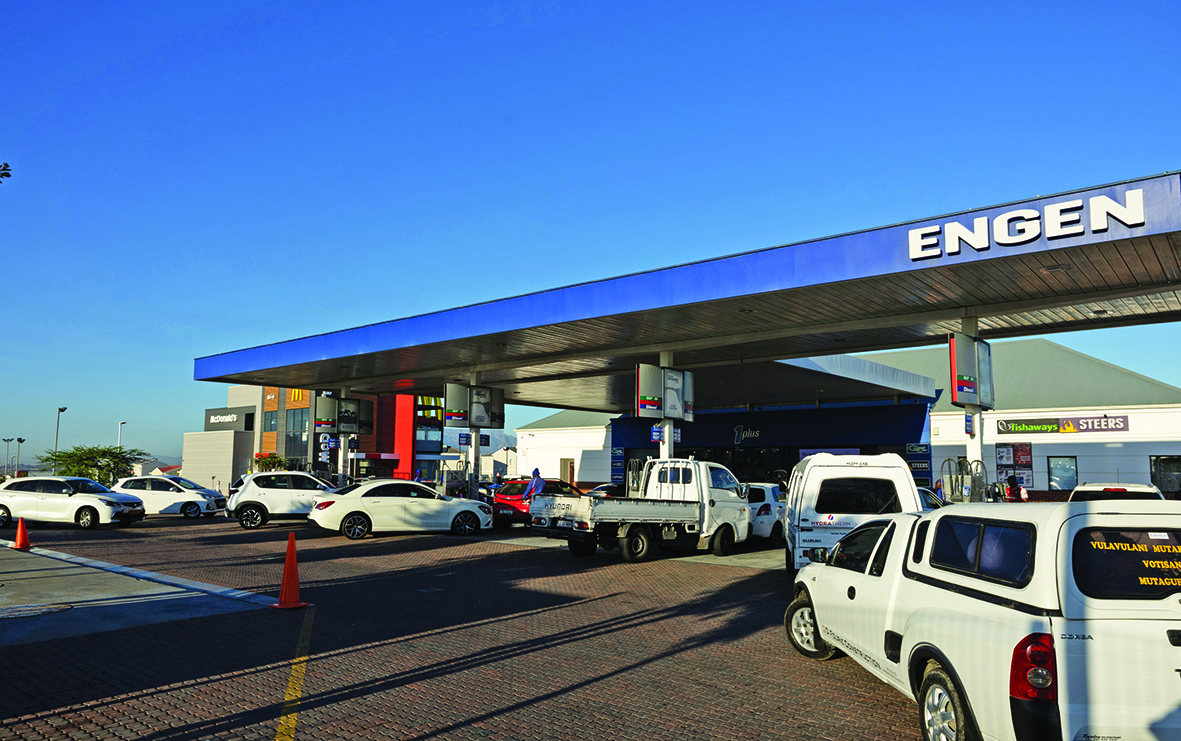
Early October calculations by the Central Energy Fund point to a potential petrol increase of approximately R4.60 a litre in November, alongside another substantial increase in diesel.
Higher fuel and diesel prices feed into transport, food production, manufacturing and distribution. Households have less money to spend, while businesses face rising operating costs.
For an economy that desperately needs stronger domestic demand, this is very damaging.
The Reserve Bank must guard against inflation becoming entrenched, but higher interest rates also increase borrowing costs, discourage investment and weaken spending.
South Africa’s projected GDP growth of 1.2% for 2026 looks increasingly optimistic.Without a meaningful improvement in investment, infrastructure and economic activity, even the modest growth currently projected will be difficult to achieve.
This is why the Medium-Term Budget Policy Statement must reveal how government intends to get the economy moving.
Minister Godongwana, is this not the moment for an unmistakable commitment to infrastructure investment on a scale capable of changing South Africa’s economic trajectory?
Private-sector participation is essential. Government does not have to finance every project itself. It must create the conditions, partnerships and regulatory certainty that encourage private capital to flow into productive infrastructure.
Electricity transmission, rail, ports and water infrastructure are obvious priorities. Reliable infrastructure lowers business costs, improves competitiveness and creates opportunities for investment and employment.
Announcements must translate into funded projects, productive capacity and jobs.
The Minister must also explain how fiscal discipline will support growth, not undermine it. Cutting productive investment simply to protect short-term fiscal targets could prove self-defeating. Growth is no longer optional
South Africa cannot control international oil prices or foreign conflicts. But it can influence how resilient its economy is when these shocks arrive.
A growth forecast of 1.2% is hardly a convincing foundation for tackling mass unemployment, strengthening public finances and improving living standards. Without substantially greater investment and economic expansion, these objectives will remain frustratingly out of reach.
• Van Doesburgh is Head of Economics at CPUT and a regular commentator on South Africa’s economic landscape vandoesburghm@cput.ac.za
- South Africa faces surging fuel prices, returning inflation risks, high borrowing costs, and weakening economic growth ahead of the Medium-Term Budget Policy Statement on October 21.
- Early October calculations indicate petrol may increase by approximately R4.60 per litre in November, with a significant rise in diesel prices.
- Higher fuel and diesel costs will increase expenses across transport, food production, manufacturing, and distribution, reducing household spending and raising business operating costs.
- South Africa's GDP growth is projected at 1.2% for 2026, but achieving this is doubtful without significant improvements in investment, infrastructure, and economic activity.
- The government must commit to large-scale infrastructure investment, including private-sector participation, to boost economic resilience, competitiveness, and job creation.


