


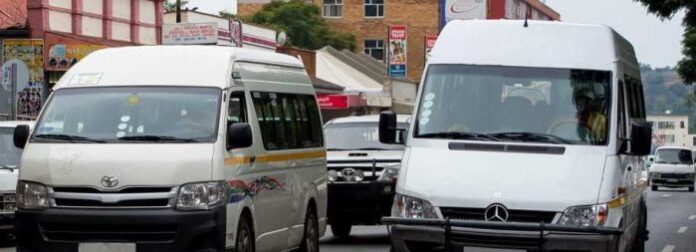
South Africa’s commuters are bracing for higher taxi fares as the industry signals that increases may be unavoidable in the face of Wednesday’s steep fuel price hike.
The South African National Taxi Council (Santaco) has warned that growing uncertainty around fuel costs is already disrupting daily operations, showing early signs of strain across taxi ranks and routes.
‘Transport costs will soon be passed on to passengers’
Abnar Tsebe, Santaco President said reports of fuel shortages, limits on refuelling volumes, and sharply rising diesel prices are beginning to affect operators nationwide. This inevitably means that transport costs will soon be passed on to passengers.
Although no blanket fare increase has been announced, Santaco indicated that some taxi associations have already begun notifying commuters of higher prices, reflecting mounting operational pressure.
‘Acting with urgency’
“We are acting with urgency to stabilise the situation and protect both operators and commuters. We call on government to immediately provide clear direction on fuel price expectations and to work with us on practical relief measures.
“The taxi industry remains committed to keeping South Africa moving, and we will do so in a way that balances sustainability with the needs of our commuters,” said Tsebe.
At the heart of the concern is the sharp rise in diesel costs, which the council believe is being worsened by pricing practices at some fuel stations.
Individual taxi associations have authority to set fares
Rebecca Phala, Santaco Spokesperson emphasised that fare adjustments are not typically made in response to fuel price changes alone, as these can be temporary. Instead, increases are usually based on a broader assessment of costs such as vehicle maintenance, financing, licensing and other overheads.
Under existing industry rules, individual taxi associations have the authority to set fares based on their own operating conditions.
Urgent call for government intervention
Phala said commuters should look for communication on official notice boards at taxi ranks, inside vehicles and on verified association platforms.
While increases may be inevitable, the council sought to reassure passengers that affordability remains a key consideration.
The organisation is calling for urgent government intervention to cushion both operators and commuters from the impact of rising fuel costs.
- South Africa's taxi industry signals possible fare hikes due to a recent sharp increase in fuel prices, with some taxi associations already notifying commuters of higher costs.
- The South African National Taxi Council (Santaco) highlighted operational challenges caused by fuel shortages, refuelling limits, and rising diesel prices impacting daily taxi services.
- Santaco urges the government to provide clear guidance on fuel pricing and implement relief measures to support both operators and passengers.
- Fare increases are typically based on broader cost assessments beyond fuel, as individual taxi associations have the authority to set fares according to their local operating conditions.
- The council reassures commuters that affordability remains a priority and calls for urgent government intervention to mitigate the impact of rising fuel costs.


