


South African businesses were handed two numbers this week that belong together: R3.33 and 49.0. The first is the increase in the price of a litre of 95 octane petrol. The second is September’s S&P Global South Africa PMI, a monthly survey of private sector firms in which any reading below 50 means activity is shrinking. At 49.0, the sector is back in contraction, and new orders fell at their sharpest pace in two and a half years.
Taken together, the two figures point to a difficult operating environment. Businesses are now facing higher operating costs, while demand is coming under pressure.
Most owners will respond by protecting cash. At the same time, the businesses best placed for the recovery will protect cash while continuing to invest in the capacity they will need when demand returns. Doing both requires a clear understanding of what every rand is doing.
Cutting costs, in practice, requires judgment about which expenditure keeps the business running, which protects its ability to deliver, and which builds its future. That judgment matters because the economy has little slack for businesses to get these decisions wrong. GDP contracted by 0.2% in the second quarter. Against that backdrop, delaying a machine, trimming stock or postponing a hire can look like a small and sensible decision for a small business.
Across thousands of businesses, though, those decisions shape how much productive capacity the economy retains and how quickly companies can respond when demand returns.
The difficulty is that businesses feeling the same squeeze can need very different things. Take three small and growing businesses that each run vehicles.
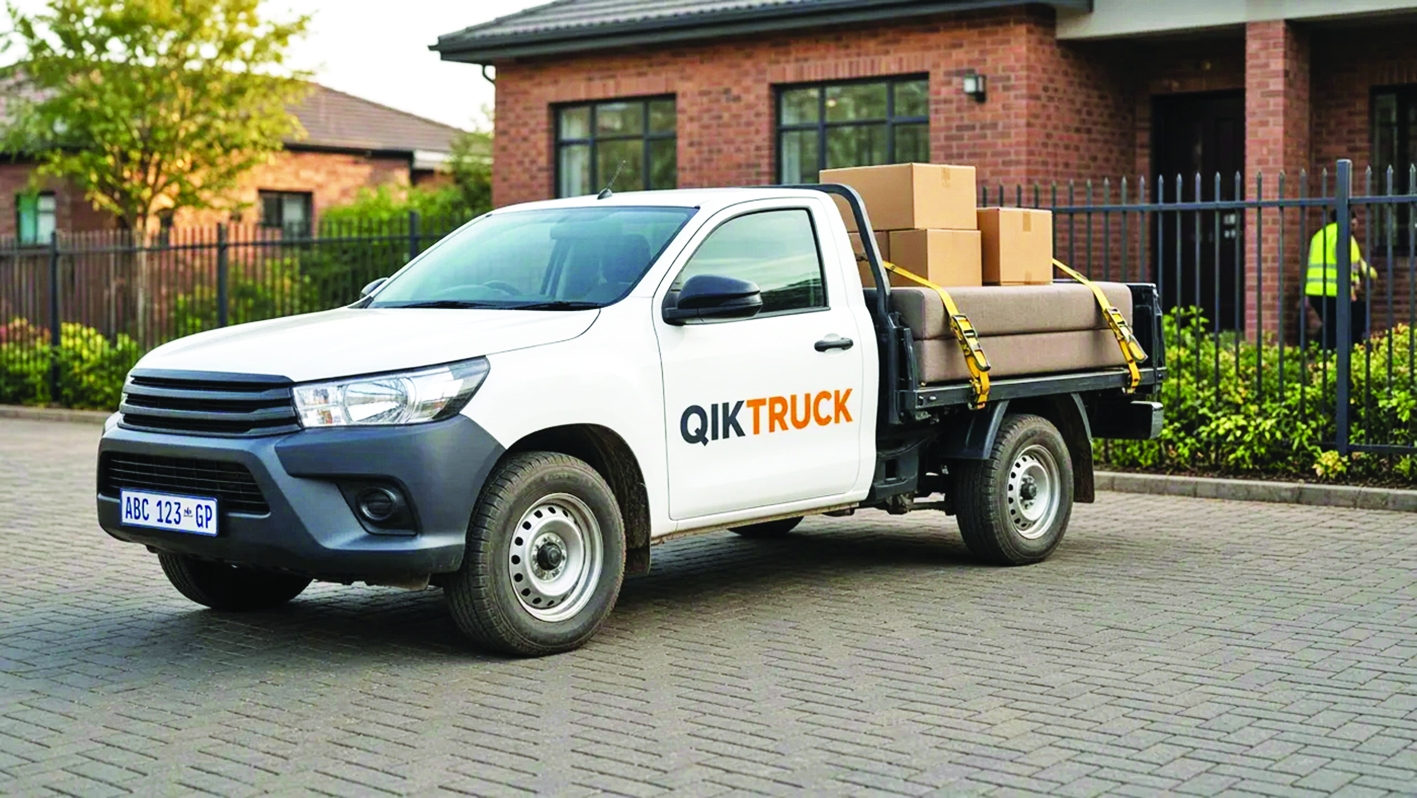
The first is a delivery company operating five bakkies and using about 1 500 litres a month. A R3.33c increase per litre adds close to R5 000 to its monthly fuel bill. It has also just won a large contract and is waiting on payment, so it needs working capital to deliver the order.
The second has watched demand decline for several quarters and needs to reassess its cost base and operating model.
The third is growing and needs to replace an ageing bakkie. Their balance sheets may tell similar stories at a point in time, but the decisions that will strengthen each business are very different.
This is where understanding the business behind the numbers becomes so important. In my conversations with owners, these decisions are personal, because behind each one are employees, customers and a future they have spent years building.
They are weighing stock, contracts and the next opportunity, and the financial requirement sits inside each of those decisions. A transactional account may become working capital, then asset finance, then commercial property or a larger funding structure as the business matures.
Understanding that journey is what allows us to be there for the owner at each stage, offering support early, before a tight month becomes a crisis, so that investment decisions can continue with a clear view of what the business is trying to achieve.
There is a practical lesson in this for business owners: the best time to speak to a funder is when the business is stable and there is still good visibility on the next six months. Moving beyond a purely transactional relationship with your financial partner creates the opportunity to plan ahead, explore funding options and structure solutions that align with your cash flow cycle. Flexible working capital and asset finance facilities take time to arrange effectively, and businesses that engage early have greater flexibility to secure terms that support their operational needs.
Anyone who has built a business knows that investment rarely happens with a complete picture of what lies ahead. It happens when the owner has enough confidence in the opportunity, the market and the business’s ability to execute.
This makes the discipline applied during a difficult cycle particularly important. Companies need to understand which costs can be reduced, which capabilities need protecting and where investment can strengthen their position for the next phase of growth.
The fuel shock will move through the economy, and the PMI will eventually tell a different story. In the meantime, the businesses that use this period to understand their costs, protect their cash flow and continue building where there is a credible opportunity for growth will be better positioned when conditions improve.
• Motsoene is Chief Executive: Business & Commercial at African Bank
- The price of a litre of 95 octane petrol in South Africa increased by R3.33 this week.
- September's S&P Global South Africa PMI was 49.0, indicating contraction in the private sector for the first time in months.
- New orders in the private sector declined at their sharpest pace in two and a half years.
- South Africa's GDP contracted by 0.2% in the second quarter of the year.
- Business owners are advised to engage with financial partners early during stable periods to plan funding and manage cash flow effectively.


