


The fuel price increases we are experiencing are a painful confirmation of our vulnerability to distant geopolitical tensions. The negative consequences of the Israeli-US war against Iran include disruption of trade in gas and oil in the contested Strait of Hormuz.
Worsening the situation is the destruction of gas and oil infrastructure during the exchange of fire. The fact that 20% of the world’s petroleum consumption and about one-fifth of the world’s liquefied natural gas passed through the strait of Hormuz each day before the war began illustrates the extent of the risk to the global economy.
Although it’s impossible to insulate ourselves against the devastation wrought by wars, we can attempt to mitigate it. There is a sound basis for this. Countries that rely mainly on gas for baseload electricity are suffering a double whammy from the war.
In addition to petroleum price spikes that everyone is experiencing at the pump since brent crude oil jumped above $100 per barrel, they have been hit by sharp increases in electricity prices.
While South Africa is feeling the pinch of higher oil, diesel and petrol prices, we are spared higher electricity prices triggered by war. We only have to live with tariffs determined by the Energy Regulator of South Africa flowing from Eskom’s applications. The high tariffs that have caused the closure of smelters are self-inflicted domestically and can be addressed if there is a genuine will on the part of the government and smelter companies.
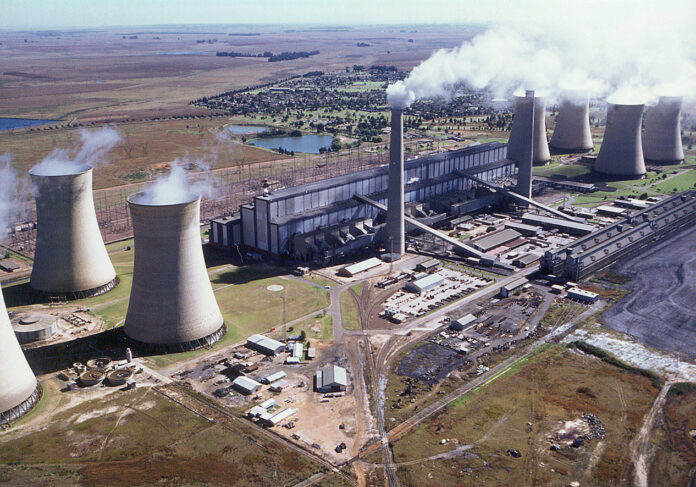
The reason why the Middle East war won’t cause electricity price inflation here is so important that it must form the basis of our energy security policy. It is simply that South Africa doesn’t depend on imported gas for baseload electricity generation. We produce our electricity from domestic coal, which is abundantly available, easy to mine, cheap and of good quality.
Unlike gas, which is priced in dollars, coal supplied to baseload electricity producer, Eskom, is priced in local currency. This serves as a massive cushion to our economy that must never be taken for granted.
As we grumble along to the fuel pump we should bear in mind that things could be worse.
Our baseload electricity prices are not determined by external factors. This makes domestic coal production the foundation upon which to build a diversified and resilient power generation system. The system must not only withstand intermittent weather, but also wars and exchange rate fluctuations.
Knowing what we now know of the effects of war, energy experts who want imported gas that is priced in dollars to replace locally produced coal that Eskom buys in rands must tell us how a gas-dependent electricity system would survive a war that disrupts gas supplies and cause gas price hikes.
Europe is a good example of what not do to. The continent’s dependence on gas imports has highlighted the risk to its economy. When Russia invaded Ukraine, Russia’s gas supply to Europe was cut. Europe supplemented the gap with imports from the Gulf. Now, those have been hit by another war, sending prices through the roof, as European countries scramble to find replacements.
Since the Iran war began, European benchmark gas prices have increased by 60%.
While we may not be able to cushion ourselves against spiking oil, diesel and petrol prices, we can prevent shortages. South Africa relies on supplies from a variety of sources including West Africa and Oman in the Middle East. The bulk of our oil imports don’t pass through the Strait of Hormuz. We also have a local supplier, Sasol, the petrochemical producers that converts locally sourced coal into liquid fuels, including jet fuel.
Sasol meets 30% of South Africa fuel needs.
We are price takers in oil and gas – both of which we don’t produce in South Africa. However, we are domestic price makers on coal supplied to Sasol and Eskom, which serves as primary source of about 80% baseload power and 30% of liquified fuels. With the right policy choices, we can expand this cushion and even reduce electricity prices.
In recent years, there have been concerted campaigns to drive South Africa to abandon coal. Hopefully the war has put paid to such attempts. If the Ukraine war didn’t, surely the Iran’s must be the final wake-up call.
- Bayoglu is the MD of Menar, a private investment company with interests in coal mining and ferromanganese
- Fuel price increases reflect global vulnerability to geopolitical tensions, particularly the Israeli-US war against Iran disrupting oil and gas trade through the Strait of Hormuz, a critical energy chokepoint.
- Destruction of energy infrastructure and interruptions to 20% of global petroleum and LNG supplies worsen economic risks.
- South Africa is shielded from electricity price shocks because it relies on domestically mined coal priced in local currency, unlike gas-importing countries facing soaring electricity costs due to dollar-denominated gas prices.
- South Africa’s diversified oil import sources and local fuel production by Sasol (covering 30% of fuel needs) mitigate supply risks despite being price takers on oil and gas.
- The author argues for strengthening South Africa’s coal-based power system to ensure energy security and resilience against external shocks, cautioning against moves to replace coal with imported gas amid global conflicts.


