


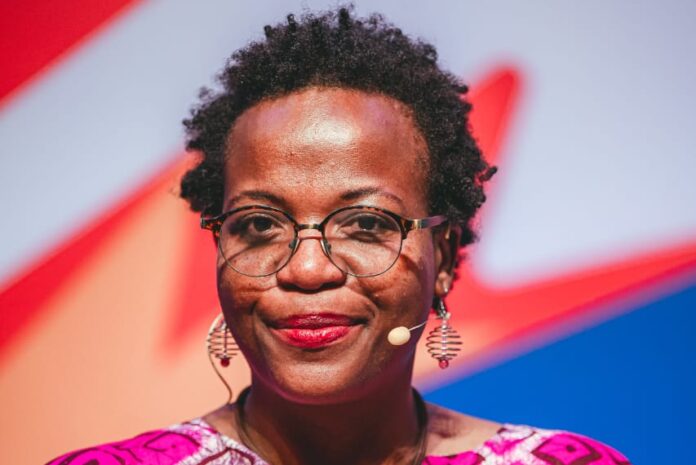
Award-winning author and publisher Zukiswa Wanner believes South Africans are habituated to waiting until their icons have died before celebrating them, and she is determined to change that.
As the country prepares to mark 70 years since the historic 1956 Women’s March and 50 years since the Soweto Uprising, Wanner is using literature to ensure one of the country’s overlooked heroines, anti-apartheid activist Sibongile Mkhabela, receives her flowers while she can still appreciate them.
Recognising women whose contributions shaped SA
Through her one-day Women’s Day literary festival, ’76 INKED!, which takes place on August 10, Wanner hopes to spark a national conversation about recognising women whose contributions have shaped South Africa long before they become footnotes in history.
“I’ve had the idea in my mind for a while, but watching Rise 76: The Story of June 16th in June spurred me on to get working on this,” Wanner told Sunday World.
“I immediately called Thekgang and Book Circle Capital, and both organisations were on board. Then I called Ms Mkhabela, and I was relieved that she was fine with it.”
For Wanner, honouring Mkhabela was an obvious choice.
“It’s 70 years since the Women’s March and 50 years since the Soweto Uprisings. Ms Mkhabela is the only woman leader who was charged and imprisoned for the events of 1976. It seemed necessary and urgent to mark these two significant dates of South African women’s history by celebrating her.”
She also believes Mkhabela’s life carries another lesson that resonates in today’s South Africa.
“Ms Mkhabela was the child of what today would be called immigrants from Mozambique. What may our country’s history have been like without people like her?” she asked.
Wanner hopes Mkhabela’s story will encourage young women to find the courage to stand for what they believe in.
“When I have talked to Ms Mkhabela, even 50 years later, her love for this country and her wish to leave it better than she found it shines through. Knowing women like her spurs me, and I hope it will do the same for other women, old and young alike, to speak up and act when injustice occurs.”
Honouring women writers born in 1976
The festival will also celebrate women writers born in 1976, a generation Wanner says helped shape South Africa’s literary landscape alongside her.
“When my first novel came out 20 years ago, many of these women held my hand as we plotted together on how to make literature more visible. Watching how they have contributed to the South African story, primarily through the written word, but also through adaptations and translations, felt like something worth celebrating.”
She is equally passionate about recognising the women behind South Africa’s thriving book club culture.
“Book clubs, largely run by women, have kept writers alive in this country because without them no one would know about our work.”
As co-founder of Paivapo Publishers, Wanner has long championed literature in African languages. While she welcomes the Department of Basic Education’s commitment to mother tongue instruction in the early years of schooling, she believes much more needs to be be done.
“I would like to see more translations of literature into our African languages and vice versa. I think this is somewhere academia can play a much bigger role.”
‘Respect your readers’
Despite concerns that social media and streaming platforms are replacing books, Wanner remains optimistic.
“I think book clubs and literary festivals demystify books. When new readers realise that reading is largely just stories and that writers are ordinary people telling those stories, it makes a major difference.”
Looking back on two decades as an author, Wanner says one lesson has remained constant.
“Be unapologetic about what you mean and respect your readers. There is nothing more annoying than a writer who talks down to them. Literature is art. A story should entertain as much as it makes us reflect.”
Although ’76 INKED! is a once-off event, Wanner hopes its impact will endure long after Women’s Month has ended.
“I hope what it can do is ensure we normalise celebrating some of our icons while they are still alive.”
- Zukiswa Wanner aims to change South Africans' habit of celebrating icons only after death by honoring anti-apartheid activist Sibongile Mkhabela during a Women’s Day literary festival.
- The festival, ’76 INKED!, on August 10, marks 70 years since the 1956 Women’s March and 50 years since the Soweto Uprising, highlighting women who shaped South African history.
- Wanner emphasizes Mkhabela’s significance as the sole woman leader charged in the 1976 Soweto Uprising and hopes her story inspires young women to stand against injustice.
- The event also celebrates women writers born in 1976 who contributed to South Africa’s literary scene and recognizes the role of women-led book clubs in sustaining literature.
- Wanner advocates for greater translation of literature into African languages and stresses respecting readers, aiming for the festival to normalize celebrating living icons beyond Women’s Month.


