


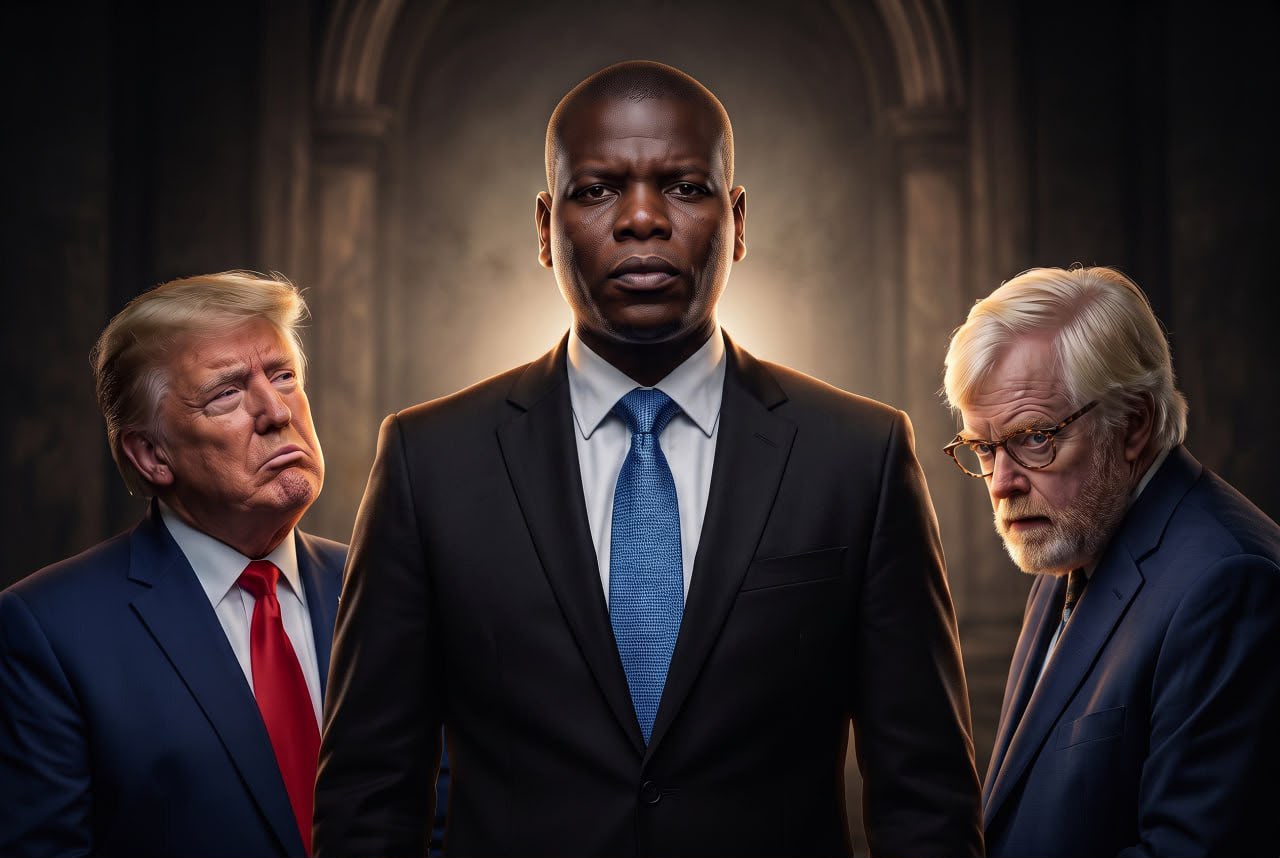
International Relations and Cooperation Minister Ronald Lamola arrived in Washington on September 17, 2026, with a message that South Africa’s relationship with the United States has sunk to a critically low point and that Pretoria is preparing for the worst.
Speaking at the African Diaspora Forum in Washington on September 18, Lamola accused the United States of attempting to sabotage South Africa’s economy and condemned the US refugee programme for Afrikaners as “Apartheid 2.0”. He said the relationship between the two countries had reached a “critically low point” and that South Africa must prepare for a worst-case scenario.
“We are expected to surrender our sovereignty on issues related to Black Economic Empowerment, to issues related to land reform, in particular expropriation as outlined in the Expropriation Act, with nil compensation, and on a number of issues that belong to the sovereignty which South African public and SA institutions are capable of handling and dealing with, including on issues of our own foreign policy,” Lamola said.
His visit followed a US announcement on September 15, 2026, of targeted visa restrictions against South African officials whom Washington accuses of responsibility for policies involving race-based discrimination or the incitement of violence against minority groups. No evidence has been provided for the allegations. US Ambassador Leo Brent Bozell III described the restrictions as “only the first step in a series of escalatory measures”.
The origins of the conflict between the United States and South Africa lie in a sustained campaign of coercion waged by Washington throughout 2025 and 2026. In February 2025, US President Donald Trump issued an Executive Order freezing nearly all US aid to South Africa, citing the Expropriation Act and alleging that the country was pursuing anti-white policies. The order also promoted the resettlement of Afrikaner refugees in the United States.
In March 2025, the United States declared South African Ambassador Ebrahim Rasool persona non grata and expelled him. In July 2025, the US imposed a 30 per cent tariff on all South African exports, the highest rate in sub-Saharan Africa. In November 2025, the United States boycotted the G20 summit hosted by South Africa, refusing to attend and rejecting the outcome document on the false pretext that South Africa was perpetrating genocide against Afrikaners.
In August 2026, the US State Department’s Bureau of Democracy, Human Rights and Labor launched a $986,500 grant to document “hateful rhetoric and violent acts against minority communities” in South Africa, with Afrikaners specifically identified as the focus. The grant shows Washington going to the extent of funding research designed to validate the “white genocide” narrative it uses to defend the aid freeze, the tariffs, the visa restrictions, the refugee programme, and other aggressive actions against South Africa.
Throughout this period, Washington has weaponised South Africa’s land reform, affirmative action policies, and its genocide case against Israel at the International Court of Justice as manufactured grievances to justify punitive measures designed to force Pretoria to abandon its independent foreign policy
The pressure has not been confined to South Africa. Across the SADC region, Washington has pressed states over access to resources and over their independent foreign policies.
In Namibia, a petition launched by activist Michael Amushelelo on August 27, 2026, called on the government to declare US Ambassador John Giordano persona non grata and expel him from the country. It accuses Washington of using its embassy in Windhoek to pressure Namibian officials over access to the country’s newly discovered oil, uranium, and other critical minerals, and of intervening in domestic policy debates where US commercial interests are at stake. Amushelelo describes the campaign as “economic colonialism dressed up as friendship”.
“Our oil is not American oil. Our uranium is not American uranium. Our minerals are not American minerals. They belong to the people of Namibia,” he said.
On September 8, 2026, Ambassador Giordano was turned away from Namibia’s National Fisheries Indaba in Walvis Bay after arriving without an official invitation. President Netumbo Nandi-Ndaitwah was inside the hall at the time. Officials said no diplomats had been invited to the restricted domestic policy forum.
The exclusion of the US envoy from a domestic policy gathering signals that Windhoek is increasingly unwilling to grant Washington privileged access to forums where Namibian resources and economic policy are discussed.
Back in South Africa, tensions escalated further in 2026. In March 2026, Bozell told a business forum in the Western Cape that Washington was “running out of patience” with South Africa and issued what the Presidency characterised as “thinly veiled threats”. He said he did not care what South Africa’s courts said about the “Kill the Boer” chant, and claimed South Africa had more than 150 laws “aimed against whites”.
Presidential spokesperson Vincent Magwenya responded: “It sounds like he’s talking to a colony or a subsidiary of the US government. We’re a sovereign country, and words like those are inflammatory”.
Critics say the Americans have lost their bearings. Bozell has spent months issuing threats, interfering in South Africa’s domestic affairs, and attacking the country’s courts. Countries such as Zimbabwe have declared US diplomats persona non grata and expelled them when they overstepped.
South Africa has the same sovereign right under Article 9 of the Vienna Convention, as Namibia does, and should exercise it by declaring Bozell persona non grata and expelling him. What citizens are pressing for are reciprocal measures to be taken against Bozell and Washington’s representatives, whether through summons to the Department of International Relations and Cooperation, a formal note of protest, or his expulsion.
To them, the steps of concrete measures are more important than the form it takes. A sovereign state should not absorb a challenge unanswered or let a display of disrespect pass without a response.
South Africa’s position on the genocide case against Israel, its choice of international partners, and its domestic laws passed by a democratically elected Parliament will not change because Washington disapproves. The visa restrictions, tariffs, refugee programmes, and the grant to manufacture evidence of “hate speech” will not produce the surrender Washington seeks.
- On September 17, 2026, South Africa's International Relations Minister Ronald Lamola arrived in Washington, stating the relationship with the United States had reached a "critically low point" and warned South Africa was preparing for the worst.
- Lamola accused the US of trying to sabotage South Africa's economy and condemned the US refugee programme for Afrikaners as "Apartheid 2.0".
- The US announced targeted visa restrictions on South African officials on September 15, 2026, due to alleged race-based discrimination policies, though no evidence was provided.
- Since 2025, the US has taken several aggressive actions against South Africa including aid freezes, tariffs, ambassador expulsion, and boycotting the 2025 G20 summit hosted by South Africa.
- The US has extended pressure to the SADC region, with Namibia rejecting US Ambassador John Giordano's presence at a domestic forum and petitioning for his expulsion over alleged interference in resource access and policy.
International Relations and Cooperation Minister Ronald Lamola arrived in Washington on September 17, 2026, with a message that South Africa's relationship with the United States has sunk to a critically low point and that Pretoria is preparing for the worst.
Speaking at the African Diaspora Forum in Washington on September 18, Lamola accused the United States of attempting to sabotage South Africa's economy and condemned the US refugee programme for Afrikaners as "Apartheid 2.0". He said the relationship between the two countries had reached a "critically low point" and that South Africa must prepare for a worst-case scenario.
"We are expected to surrender our sovereignty on issues related to Black Economic Empowerment, to issues related to land reform, in particular expropriation as outlined in the Expropriation Act, with nil compensation, and on a number of issues that belong to the sovereignty which South African public and SA institutions are capable of handling and dealing with, including on issues of our own foreign policy," Lamola said.
His visit followed a US announcement on September 15, 2026, of targeted visa restrictions against South African officials whom Washington accuses of responsibility for policies involving race-based discrimination or the incitement of violence against minority groups. No evidence has been provided for the allegations. US Ambassador Leo Brent Bozell III described the restrictions as "only the first step in a series of escalatory measures".
The origins of the conflict between the United States and South Africa lie in a sustained campaign of coercion waged by Washington throughout 2025 and 2026. In February 2025, US President Donald Trump issued an Executive Order freezing nearly all US aid to South Africa, citing the Expropriation Act and alleging that the country was pursuing anti-white policies. The order also promoted the resettlement of Afrikaner refugees in the United States.
In March 2025, the United States declared South African Ambassador Ebrahim Rasool persona non grata and expelled him. In July 2025, the US imposed a 30 per cent tariff on all South African exports, the highest rate in sub-Saharan Africa. In November 2025, the United States boycotted the G20 summit hosted by South Africa, refusing to attend and rejecting the outcome document on the false pretext that South Africa was perpetrating genocide against Afrikaners.
In August 2026, the US State Department's Bureau of Democracy, Human Rights and Labor launched a $986,500 grant to document "hateful rhetoric and violent acts against minority communities" in South Africa, with Afrikaners specifically identified as the focus. The grant shows Washington going to the extent of funding research designed to validate the "white genocide" narrative it uses to defend the aid freeze, the tariffs, the visa restrictions, the refugee programme, and other aggressive actions against South Africa.
Throughout this period, Washington has weaponised South Africa's land reform, affirmative action policies, and its genocide case against Israel at the International Court of Justice as manufactured grievances to justify punitive measures designed to force Pretoria to abandon its independent foreign policy
The pressure has not been confined to South Africa. Across the SADC region, Washington has pressed states over access to resources and over their independent foreign policies.
In Namibia, a petition launched by activist Michael Amushelelo on August 27, 2026, called on the government to declare US Ambassador John Giordano persona non grata and expel him from the country. It accuses Washington of using its embassy in Windhoek to pressure Namibian officials over access to the country's newly discovered oil, uranium, and other critical minerals, and of intervening in domestic policy debates where US commercial interests are at stake. Amushelelo describes the campaign as "economic colonialism dressed up as friendship".
"Our oil is not American oil. Our uranium is not American uranium. Our minerals are not American minerals. They belong to the people of Namibia," he said.
On September 8, 2026, Ambassador Giordano was turned away from Namibia's National Fisheries Indaba in Walvis Bay after arriving without an official invitation. President Netumbo Nandi-Ndaitwah was inside the hall at the time. Officials said no diplomats had been invited to the restricted domestic policy forum.
The exclusion of the US envoy from a domestic policy gathering signals that Windhoek is increasingly unwilling to grant Washington privileged access to forums where Namibian resources and economic policy are discussed.
Back in South Africa, tensions escalated further in 2026. In March 2026, Bozell told a business forum in the Western Cape that Washington was "running out of patience" with South Africa and issued what the Presidency characterised as "thinly veiled threats". He said he did not care what South Africa's courts said about the "Kill the Boer" chant, and claimed South Africa had more than 150 laws "aimed against whites".
Presidential spokesperson Vincent Magwenya responded: "It sounds like he's talking to a colony or a subsidiary of the US government. We're a sovereign country, and words like those are inflammatory".
Critics say the Americans have lost their bearings. Bozell has spent months issuing threats, interfering in South Africa's domestic affairs, and attacking the country's courts. Countries such as Zimbabwe have declared US diplomats persona non grata and expelled them when they overstepped.
South Africa has the same sovereign right under Article 9 of the Vienna Convention, as Namibia does, and should exercise it by declaring Bozell persona non grata and expelling him. What citizens are pressing for are reciprocal measures to be taken against Bozell and Washington’s representatives, whether through summons to the Department of International Relations and Cooperation, a formal note of protest, or his expulsion.
To them, the steps of concrete measures are more important than the form it takes. A sovereign state should not absorb a challenge unanswered or let a display of disrespect pass without a response.
South Africa's position on the genocide case against Israel, its choice of international partners, and its domestic laws passed by a democratically elected Parliament will not change because Washington disapproves. The visa restrictions, tariffs, refugee programmes, and the grant to manufacture evidence of "hate speech" will not produce the surrender Washington seeks.


