


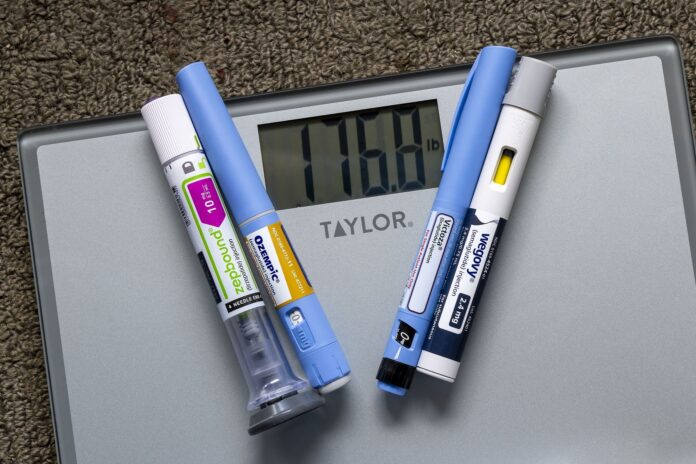
The global market for anti-obesity drugs is expected to reach $130-billion by 2030, according to Goldman Sachs, as soaring demand for blockbuster treatments such as Ozempic and Mounjaro reshape the pharmaceutical industry.
Originally developed to treat diabetes, GLP-1 medicines have become a global weight-loss phenomenon, driving unprecedented demand that has outpaced supply and created opportunities for generic manufacturers, compounded products and counterfeit medicines.
For much of the past decade, Denmark’s Novo Nordisk and US-based Eli Lilly have dominated the sector, accounting for about 90% of global sales. But that dominance is beginning to weaken as key patents begin expiring in several markets from 2026.
South Africa a key battleground
The shift is already playing out in Africa, with South Africa emerging as the continent’s key battleground.
In June, Novo Nordisk secured an interim court order preventing South African pharmacy group iDexis from manufacturing, marketing and selling compounded versions of semaglutide, the active ingredient in Ozempic, after arguing the products lacked regulatory approval.
Just weeks later, South Africa’s medicines regulator confirmed it was reviewing 12 applications for generic semaglutide products after Novo Nordisk’s patent expired in March.
India’s Sun Pharmaceutical Industries has since become the first company approved to manufacture and sell a generic version of semaglutide in South Africa, paving the way for lower-cost alternatives.
Novo Nordisk’s authorised copy of Ozempic
Novo Nordisk has responded by announcing plans to launch a lower-priced authorised version of Ozempic in South Africa through a partnership with Swiss pharmaceutical company Acino. The new product, Extensior, will contain the same active ingredient, semaglutide.
Although the company has yet to announce rollout dates for other sub-Saharan African markets, analysts expect competition to intensify across the continent as demand for weight-loss treatments grows.
Kenya is widely viewed as one of the next major markets. Health authorities have warned of a rise in the illicit trade of off-label weight-loss medicines and counterfeit Ozempic pens, underscoring the challenges regulators face as demand outpaces legitimate supply.
For consumers, generic medicines and lower-cost alternatives could make treatments that have long been unaffordable more accessible. Brand-name GLP-1 drugs retail for more than $1,000 a month in some markets when paid for out of pocket.
However, experts warn that greater availability also increases the risk of misuse, unregulated sales and counterfeit products, placing greater pressure on regulators to strengthen oversight while ensuring patients have access to safe and effective medicines.
- The global anti-obesity drug market is projected to reach $130 billion by 2030 due to high demand for GLP-1 medicines like Ozempic and Mounjaro.
- Denmark's Novo Nordisk and US-based Eli Lilly have dominated the market with about 90% of global sales but face competition as patents expire from 2026.
- In South Africa, Novo Nordisk obtained a court order to stop iDexis from selling unapproved semaglutide compounds, while the local regulator reviews 12 generic semaglutide applications.
- Sun Pharmaceutical Industries became the first approved manufacturer of generic semaglutide in South Africa, and Novo Nordisk plans to launch a lower-priced authorized version called Extensior.
- Health authorities warn of increasing illicit trade and counterfeit GLP-1 drugs in Africa, highlighting regulatory challenges amid growing demand and market competition.


