


In a global first, a man in the UK has undergone AI-assisted brain surgery. Surgeons at University College London Hospital used live artificial intelligence to identify miniscule anatomy in the brain.
On a live video feed, the AI system color-coded important structures for the surgeons to avoid as they performed the surgery through the patient’s nose. The tightly packed nature of the brain’s anatomy means that a millimetre’s mistake could cause permanent damage to the patient’s sight and brain function, or even death.
The system was developed ‘in-house’ at UCL’s Hawkes Institute and was trained using hundreds of videos of brain surgeries.
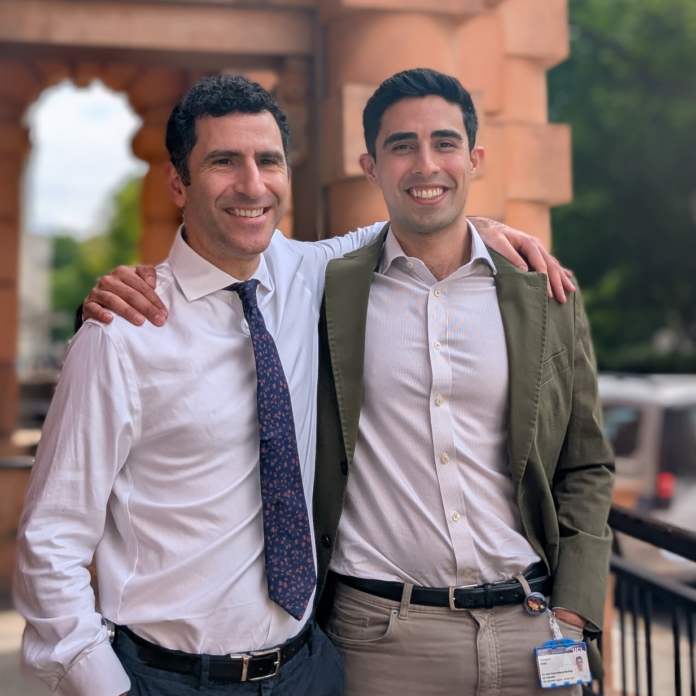
“It’s taken almost 10 years to get to this stage,” says Dr Danyal Khan, one of the surgeons who helped develop this AI tool and performed the groundbreaking surgery.
“We have a large team of surgeons and engineers,” Khan said, “we’ve surveyed and tested this with surgeons all around the world and it’s so exciting to finally see it reach the operating theatre.”
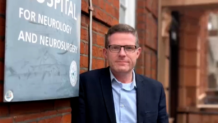
The patient, Rhys Hibbert, 48, says the operation, which took place in May, saved his eyesight. He’s in good health and has returned to work.
Khan emphasised that “the mantra here is very much that we’re still in control and we’re performing the entire operation”. The tool is in research and development, so surgeons are a long way from being able to put all their trust in the AI assistant but Khan says it will be very useful in “training less experienced surgeons”.
Nonetheless, he says he hopes the team can “get it to the stage in which it’s useful to expert surgeons at many centers.”
While this marks a first for brain surgery, AI is increasingly making its mark across the UK medical landscape. In June, a system called Eureka, developed in Japan, assisted in a bowel resection at St Mark’s Hospital, London.
Experts hope that AI integration will streamline cancer screenings and early disease detection, ultimately reducing the immense pressure on the UK’s National Health Service.
- A man in the UK underwent the world's first AI-assisted brain surgery at University College London Hospital using live AI to identify tiny brain anatomy.
- The AI system color-coded critical structures on a live video feed during surgery performed through the patient's nose to prevent damage.
- The AI tool was developed over nearly 10 years at UCL's Hawkes Institute, trained on hundreds of brain surgery videos, and tested globally.
- The patient, Rhys Hibbert, 48, had the operation in May, which saved his eyesight, and he has since returned to work in good health.
- The AI tool remains in research and development, intended to aid training for less experienced surgeons with hopes for wider use by experts in the future.


