


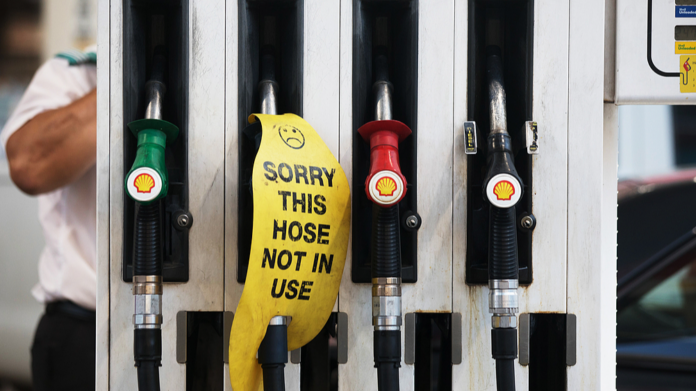
Petrol is going up again on the May 6, and once more, ordinary South Africans are left to absorb the blow.
Fuel increases do not exist in isolation. When petrol prices rise, transport costs increase. When transport costs increase, food prices climb. When food prices climb, families suffer. It is a chain reaction that hits the poorest households the hardest.
For many citizens, salaries have not increased. Employment opportunities remain scarce. Small businesses are already struggling to survive. Yet, the cost of living continues to escalate month after month.
The critical question remains: how much more must our people endure? South Africans do not need temporary relief measures that fail to address the root causes of escalating fuel prices.
We need decisive, lasting interventions that protect vulnerable communities from constant financial strain.
Tsepo Mhlongo, Orlando East
- Petrol prices in South Africa will increase again on May 6, impacting ordinary citizens negatively.
- Rising petrol costs lead to higher transport and food prices, disproportionately affecting the poorest households.
- Many South Africans face stagnant wages, limited job opportunities, and struggling small businesses amid escalating living costs.
- Temporary relief measures have been inadequate in addressing the underlying causes of rising fuel prices.
- There is a call for decisive, long-term solutions to protect vulnerable communities from ongoing financial hardship.


