


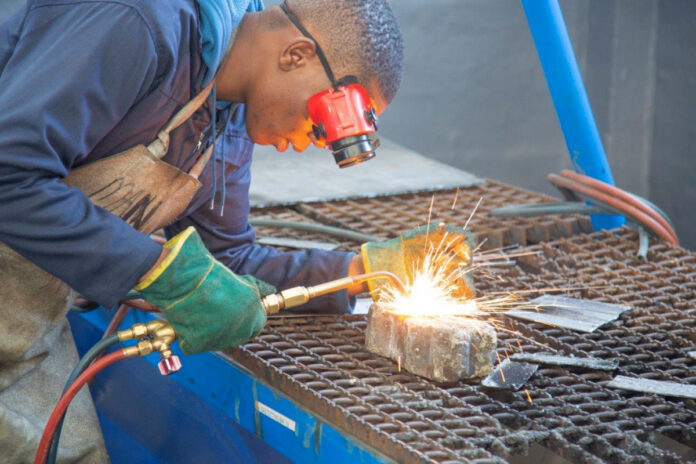
As we commemorate World Youth Skills Day, we need to have honest conversations about what a university degree or diploma does for us.
A qualification alone does not give us a job anymore. At best, it is just a key that unlocks a door to opportunities to be explored. What we do once through the door depends mostly on the practical skills we acquire outside the lecture hall.
I was incredibly fortunate in high school. We were urged to participate in extracurriculars — forced to explore, fail, try new things and acquire what I thought were random skills.
Back then, it felt like just keeping busy. But now, in varsity and looking towards building a career, I realise that the exposure was everything. It taught me not to be afraid of the unfamiliar. It gave me the curiosity to teach myself skills outside my syllabus and the grit to create my own opportunities instead of waiting for someone to hand me a job.
If we want a generation of youth who don’t just survive but also thrive, we have to stop treating education as a one-way street that ends the second you get your qualification. We need to encourage the youth to build a messy, diverse toolkit of hands-on skills. A degree might open the door but it is your skills that keep you in the room.
Matshidiso Dibakoane, BIS Multimedia student, University of Pretoria
- A university degree or diploma no longer guarantees a job; it only opens doors to opportunities.
- Practical skills acquired outside formal education are crucial for career success.
- Extracurricular activities in high school help develop curiosity, resilience, and self-teaching abilities.
- Education should be viewed as an ongoing process beyond obtaining qualifications.
- Youth should be encouraged to build diverse, hands-on skills to thrive in their careers.


