


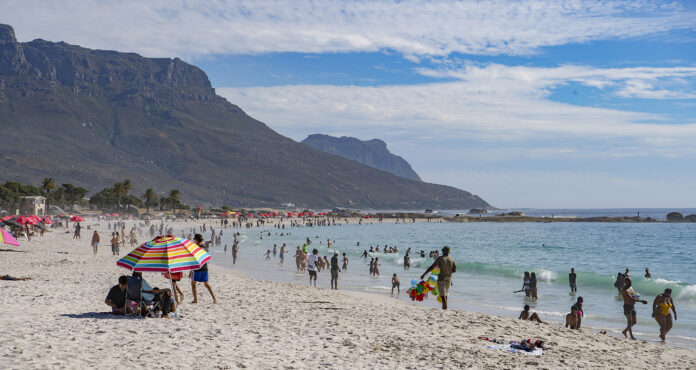
One of the main attractions on South Africa’s tourism calendar is the allure of a summer holiday in Cape Town. The Mother City is a desirable location for anyone in need of a break because of its stunning coastline, mountain trails, vineyards and outdoor lifestyle, which attract tourists from all over the nation and beyond.
But this year, Cape Town’s famous sunshine comes with a warning. As the warmer months approach, the Western Cape government is preparing for an expected El Niño state, with climate modelling pointing to more hot days, fewer cold days and an increased risk of drought.
For travellers, the message is not to cancel their Cape Town plans but to prepare differently.
El Niño is part of a global climate cycle linked to changes in Pacific Ocean temperatures. It can influence weather patterns far beyond the Pacific.
Provincial authorities say the conditions expected in the coming months could place additional pressure on water resources while increasing the risk of wildfires.
The warning comes after a drier winter, leaving vegetation more vulnerable as temperatures climb. For anyone planning a summer escape, that means the usual Cape Town itinerary might require a little more preparation.
Heat changes the rules
Travellers should plan outdoor activities around the heat, particularly strenuous hikes. Starting early, carrying sufficient water, wearing a hat and applying sunscreen before heading out can help reduce the risks associated with prolonged exposure to the sun.
The city’s weather can also change quickly, so checking conditions before heading outdoors is essential.
If a hike becomes too hot or conditions deteriorate, turning back should not be seen as failure. It is the sensible option.
The combination of high temperatures, dry vegetation and strong winds can create dangerous conditions in the Western Cape.
Visitors heading into mountains, nature reserves or areas surrounded by vegetation should check fire conditions and any restrictions before setting out.
Fires should be made only in designated areas where permitted and should never be left unattended. Cigarette ends must also be disposed of responsibly. Where authorities issue evacuation instructions, visitors should follow them immediately.
Cape Town’s coastline remains one of its biggest attractions but the National Sea Rescue Institute regularly warns swimmers about the dangers of rip currents and other coastal hazards.
Visitors should choose beaches where lifeguards are on duty and swim between the flags
Rip currents can be difficult for inexperienced swimmers to identify because they can appear as calmer patches between breaking waves.
If caught in one, the instinct to swim directly back towards the shore can make the situation worse.
The safer approach is to remain calm, float if necessary and move sideways, parallel to the beach, until clear of the current before making your way back towards shore.
Children should always be supervised around water. Anyone heading out on a boat or paddle craft should wear a properly fitted life jacket.
Cape Town’s summer lifestyle might revolve around swimming pools, beaches and outdoor adventures but water remains a precious resource.
Reduced rainfall and pressure on supplies mean visitors also have a role to play in conserving water.
Simple measures, such as taking shorter showers, avoiding unnecessary water use and respecting restrictions, can make a difference.
The higher temperatures that are set to dominate in the Mother City this summer are a reminder that changing climate conditions require news approaches.
A day at the beach now requires more than a towel and swimsuit. A hike requires more than a pair of trainers. And a trip into the mountains requires an awareness of fire conditions.
For visitors, the smartest approach is preparation: check the weather, understand the conditions, listen to authorities and know when to change your plans. The Mother City is calling. Just make sure you pack a hat, lots of sunscreen, a water bottle and a little common sense.
Also Read: Cape Town airport runway reopens after Kenya plane tyre failure
- Cape Town is expecting an El Niño event this summer, leading to hotter days, fewer cold days, and an increased risk of drought.
- Visitors should prepare for the heat by starting hikes early, carrying water, wearing hats, applying sunscreen, and being ready to turn back if conditions worsen.
- There is an increased wildfire risk due to dry vegetation, high temperatures, and strong winds, so visitors should check fire conditions and follow any restrictions or evacuation orders.
- Swimmers are advised to use beaches with lifeguards, swim between the flags, and be cautious of rip currents, while boating requires properly fitted life jackets.
- Water conservation remains important during Cape Town’s summer, with visitors encouraged to take shorter showers, avoid unnecessary water use, and respect local restrictions.


