


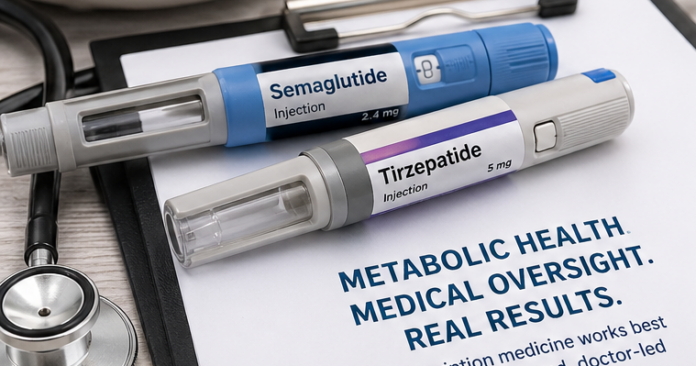
The High Court in Pretoria, has refused iDexis (Pty) Ltd, trading as Sentra Pharmacy, permission to appeal an interim order preventing it from manufacturing, supplying and marketing certain compounded medicines containing semaglutide.
iDexis, a compounding pharmacy based in Silverton, Pretoria, specialises in compounded medicines for healthcare providers.
The pharmacy is challenging an order obtained by pharmaceutical giant Novo Nordisk, after concerns were raised over iDexis’s production and distribution of compounded semaglutide products.
READ: Regulators place ban on iDexis weight-loss drugs
The latest ruling follows an interim interdict granted by the court in June 2026. The order remains interim while regulatory processes involving the South African Health Products Regulatory Authority (SAHPRA) and the South African Pharmacy Council (SAPC) run their course.
The legal battle is not simply about semaglutide or whether compounded medicines are safe. It centres on whether the particular products manufactured by iDexis were being compounded and supplied within the limits permitted under South Africa’s medicines and pharmacy laws.
Novo Nordisk, the manufacturer of Ozempic, previously approached the High Court over iDexis’s manufacture, marketing and distribution of compounded medicines containing semaglutide. The court was asked to intervene while regulatory authorities investigated whether the products and the way they were being manufactured and supplied complied with the law.
South Africa’s medicines regulator has previously said that Ozempic was the only semaglutide-containing product it had registered at the time of the earlier proceedings.
What triggered the regulatory investigation?
The regulatory concerns intensified after SAHPRA and SAPC conducted a joint investigation and inspection at iDexis’s Silverton premises on May 11, 2026. SAHPRA said the inspection focused on semaglutide, tirzepatide and combination products containing both substances.
According to the regulator, the inspection uncovered what it described as critical regulatory non-compliance. Products were seized, and the authorities raised concerns about the manufacture and supply of unregistered GLP-1 and related medicines.
SAHPRA subsequently recalled iDexis Semaglutide, iDexis Tirzepatide and iDexis Semaglutide/Tirzepatide products. The products appear on the regulator’s official recall list.
The regulator’s position is that the products were being manufactured and supplied beyond what is permitted under the rules governing pharmaceutical compounding.
The distinction matters because compounding is not the same as commercially manufacturing an unregistered medicine for the general market.
The ongoing regulatory process is seeking to establish whether iDexis’s manufacture, compounding, supply and dispensing of the products complied with South Africa’s medicines legislation and pharmacy regulations. It also involves concerns raised by regulators about the products’ quality, safety and regulatory compliance.
SAHPRA has previously warned that compounded, substandard and falsified GLP-1 products circulating in South Africa may not have undergone the same quality, safety and efficacy assessment as registered medicines. In the iDexis case, those broader concerns have become concrete regulatory questions about specific products, their ingredients, how they were manufactured and how they were supplied.
That is why the court’s latest decision does not amount to a final ruling that every compounded semaglutide product is unsafe or unlawful. Rather, the court has allowed the regulatory processes to continue while the interim order remains in place.
iDexis has rejected the characterisation of its products and operations as unsafe or unlawful, and has disputed SAHPRA’s findings. The company has maintained that it is a licensed compounding pharmacy. It has also challenged the regulator’s recall action and maintained that its products were prepared in accordance with applicable legal and pharmaceutical standards.
The company’s position is important because the current proceedings involve contested allegations and regulatory findings that have not simply been accepted by iDexis. The latest refusal of leave to appeal therefore does not, by itself, resolve every underlying question about the products.
Why semaglutide is under scrutiny
Semaglutide belongs to a class of medicines known as GLP-1 receptor agonists. GLP-1 is a naturally occurring hormone released by the body after eating. It helps regulate blood sugar and appetite by increasing insulin release, slowing digestion and promoting feelings of fullness.
Semaglutide medicines are used in the treatment of type 2 diabetes and obesity and have become increasingly sought after as demand for GLP-1 medicines has surged. That demand has also created a growing market for compounded and unregistered versions of these medicines.
But the iDexis case is more specific than a general warning about compounded GLP-1 drugs.
The safety concerns raised by the Pharmaceutical Task Group (PTG) relate to the case through the broader regulatory issue: patients need to know whether a medicine containing semaglutide has been properly manufactured, assessed and supplied through an authorised channel.
The PTG represents the Generic and Biosimilar Medicines of Southern Africa (GBMSA), the Innovative Pharmaceutical Association South Africa (IPASA), Pharmaceuticals Made in South Africa (PHARMISA) and the Self-Care Association of South Africa (SCA).
Welcoming the judgment, the group’s chairperson Dr Stavros Nicolaou said the case highlighted the importance of allowing regulatory authorities to complete their statutory responsibilities.
“Patient safety depends on a strong and credible regulatory system,” Nicolaou said.
He said healthcare professionals and patients needed to be able to trust that medicines were manufactured, supplied and distributed according to standards designed to protect public health.
Nicolaou said patients should have confidence that the medicines they receive have been appropriately assessed and supplied through legitimate and authorised channels.
“The PTG will continue to support decisive, coordinated action to prevent falsified and other unlawfully supplied medicines from reaching patients,” he said.
For patients using semaglutide, the dispute is a reminder that the medicine they obtain matters just as much as the active ingredient advertised on the label.
Until the regulatory and legal processes surrounding the disputed products are concluded, patients should obtain semaglutide medicines through legitimate healthcare professionals and authorised supply channels.
- The High Court in Pretoria denied iDexis (Pty) Ltd permission to appeal an interim order stopping it from manufacturing, supplying, and marketing certain compounded semaglutide medicines.
- The interim order follows concerns raised by Novo Nordisk and regulatory investigations by SAHPRA and SAPC, which identified critical regulatory non-compliance at iDexis.
- The authorities seized products and issued recalls for iDexis Semaglutide, Tirzepatide, and combination products, citing manufacture beyond permitted compounding limits.
- iDexis disputes the findings and recall, asserting it is a licensed compounding pharmacy operating within legal pharmaceutical standards.
- Regulatory processes continue to determine compliance with South African medicines laws, emphasizing that patients should obtain semaglutide from authorized and legitimate sources.


