


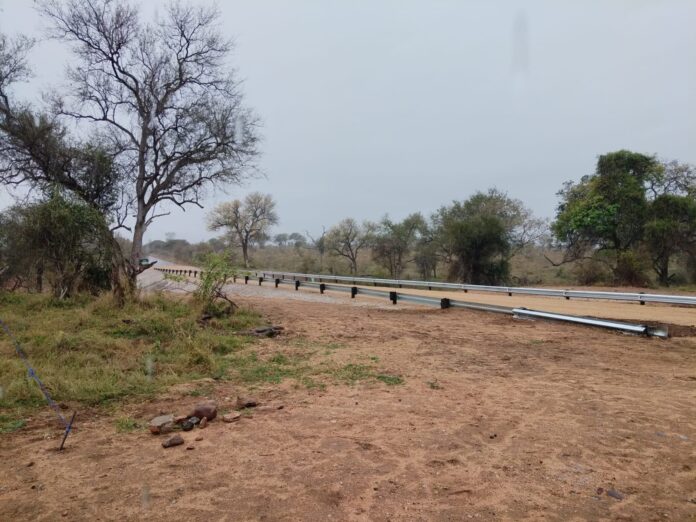
The next time you drive into Kruger National Park, the first thing you notice may not be an elephant. It may be the road beneath your tyres. A bridge rebuilt stronger. A culvert reinforced with concrete. A stretch of road protected against the rushing water that once tore through it.
Months after devastating floods swept through the park in January, Kruger is undergoing a massive recovery programme, with the damage bill sitting at just under R950 million. But SANParks is not simply replacing what was destroyed. The recovery is also about building infrastructure that can better withstand future extreme weather.
Between January 10 and 20, heavy rainfall caused widespread flooding across Kruger, particularly in the Letaba area. Letaba Restcamp was among the worst affected, with floodwater inundating tourism units and other facilities.
“You can’t even see a window that shows you the height of the water. Just the roofs are sticking out above the ground,” said SANParks programme manager Bharat Gulab.
Also Read: Tourism recovery gathers pace as Mpumalanga attractions reopen after floods
Guests were successfully evacuated, while Shingwedzi was also inundated and closed. The damage extended well beyond accommodation. Roads were washed away or severely damaged, while bridges, culverts, buildings, water systems, sewerage and electrical infrastructure were affected.
Roads account for about R640 million of the damage, followed by R196 million for bridges and culverts, and approximately R113 million for structural damage. The destruction also affected conservation operations, with damaged management roads making ranger patrols and biodiversity monitoring more difficult.
One of the clearest examples of the damage can be seen in Kruger’s road infrastructure. At one damaged site, excessive water and debris overwhelmed an existing culvert, causing water to overtop the road.
“This then causes the culvert to overtop,” Gulab explained. “Because there’s no protection on either side of the structure, it then scours from the backside and it eats up into the road.”
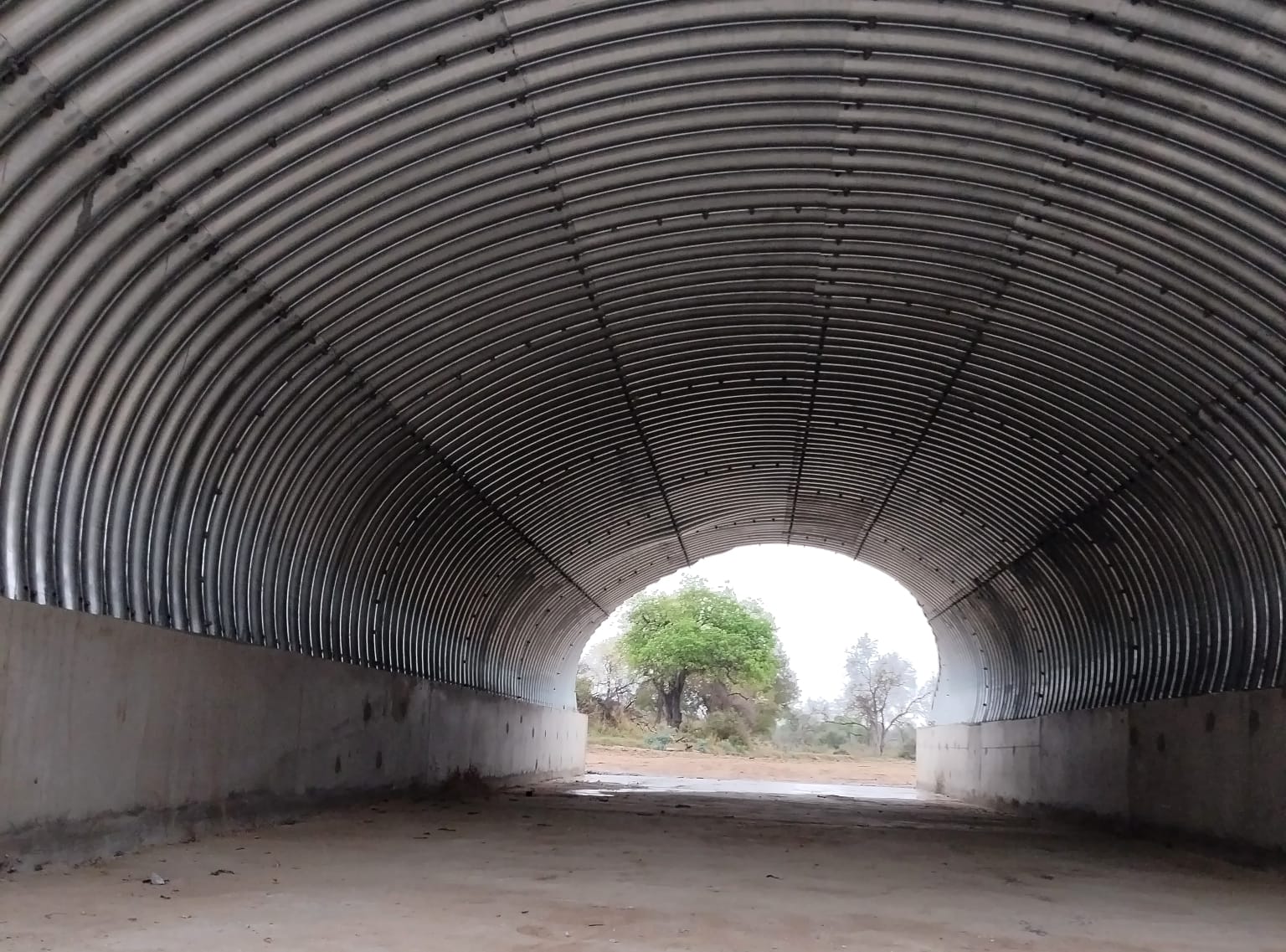
The reconstruction of the L27 culvert near Skukuza is therefore not simply about replacing what was lost. The new work includes a concrete base, new culvert components, properly compacted road material and protection for the embankments and approaches. Similar rehabilitation is taking place at other damaged sites. The goal is to make the infrastructure more resilient rather than simply restore it to its previous condition.
Rebuilding while Kruger remains open
The recovery is being carried out in phases because Kruger cannot simply close while its infrastructure is rebuilt. So far, roughly R85 million has been spent on recovery work.
The Department of Tourism has also allocated R36 million through Kruger relief funding under the Expanded Public Works Programme. The programme has brought local communities into the recovery, with about 250 participants appointed and another 50 planned.
“Hopefully we will get a total of 300 participants in this programme,” Gulab said. At Letaba, 26 tourism units have been restored and returned to operation, along with the tented camp and day-visitor facilities.
“There’s been a sort of upgrade in terms of the look and feel of the units,” Gulab said. Staff accommodation has also been restored, highlighting another often-overlooked part of keeping the park operational. “Without having staff, the operations cannot operate successfully,” Gulab said.
Technology played an important role in assessing the destruction. SANParks had already begun an infrastructure vulnerability assessment before the floods. After the disaster, teams used GIS, satellite imagery and drones to identify damaged and difficult-to-access areas.
The technology helped provide an indication of the scale of the destruction and helped teams prioritise where to focus. But aerial images could not replace physical inspections.
“We did use that technology,” said Oscar Mthimkhulu, Kruger’s managing executive . “Even with that technology, you’re going to have to go to the ground and verify them.”
Once the damage was confirmed, SANParks prioritised restoring access and tourism infrastructure.
“The priority was really to maintain the link and access and also to focus on areas that would help us to generate revenue and resources that we need to rebuild,” Mthimkhulu said.
What this means for safari-goers
For visitors, the recovery is already visible in parts of the park. The reopening of the Letaba High-Level Bridge and restoration of tourism facilities have helped restore access and operations. However, some areas remain closed, including Balule and Shingwedzi.
That means visitors should check the latest SANParks information before travelling and avoid assuming that routes or camps are operating as they did before the floods. The bigger story, however, is beneath the safari experience. Every road, bridge, culvert, water system and staff facility helps keep Kruger functioning.
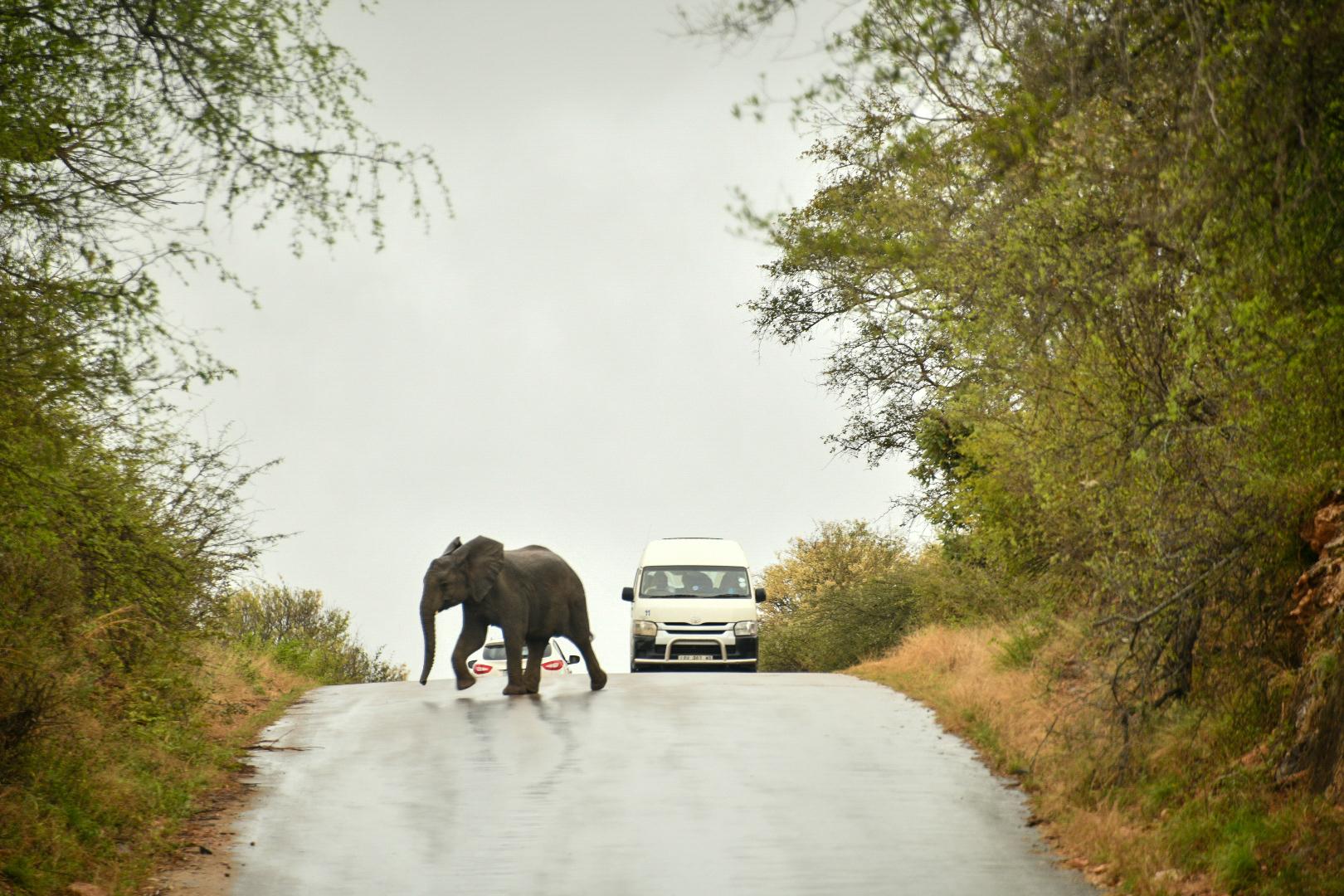
January’s floods exposed how vulnerable some of that infrastructure can be. The R950 million recovery is now an opportunity to rebuild it stronger. For visitors, the ultimate sign of success may be the simplest one: driving through Kruger years from now without ever having to think about the road beneath their tyres.
Also Read: DA accuses Mpumalanga of infrastructure neglect as floods collapse bridges
- Kruger National Park is undergoing a recovery programme after January floods caused damage costing just under R950 million.
- Roads suffered the most damage at about R640 million, followed by bridges and culverts at R196 million, and structural damage at approximately R113 million.
- Recovery work focuses on building stronger, more resilient infrastructure rather than merely replacing what was lost.
- Around R85 million has been spent on recovery so far, with R36 million allocated by the Department of Tourism through Kruger relief funding.
- Some areas of the park, including Balule and Shingwedzi, remain closed while restored sites like Letaba have reopened for visitors.


