


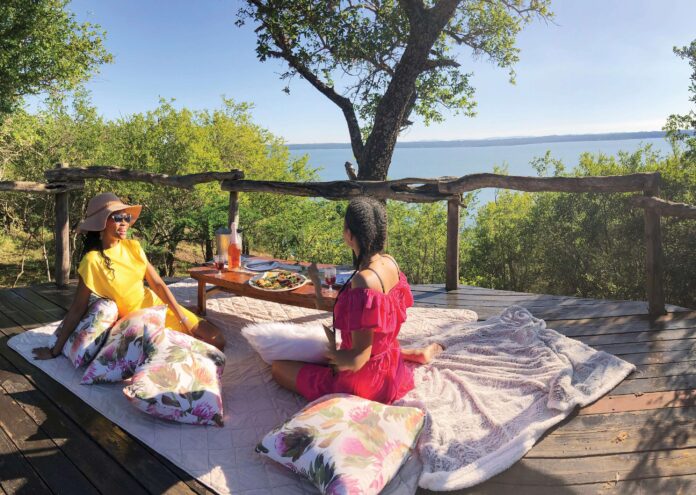
For many South Africans, the thought of a bush getaway conjures images of five-star safari lodges, hefty price tags and experiences designed exclusively for wealthy overseas tourists. According to a leading tourism executive, that perception is keeping locals away from some of the country’s most affordable holiday destinations.
Nick Dickson, the group custodian at Dream Hotels & Resorts, says South Africa’s wilderness destinations are far more accessible than many people realise, with accommodation ranging from budget-friendly campsites and self-catering chalets to luxury lodges.
“South Africa has one of the most diverse safari and bush offerings in the world. As South Africans, we often associate the bush with luxury or immediately think of the Kruger National Park, but there is so much more available that many people are overlooking,” Dickson said.
His comments come as domestic tourism continues to rebound. In 2025, domestic visitor spending was expected to reach R445-billion, surpassing pre-pandemic levels. Despite this growth, many South Africans still view bush holidays as expensive, once-in-a-lifetime experiences reserved for affluent travellers.
Dickson believes the reality is very different.
‘There isn’t just one version of the bush’
“You can spend a weekend camping on the banks of the Olifants River, enjoy a braai, go fishing during the day and fall asleep to the sounds of nature. Or, if you prefer, you can stay in a fully serviced lodge in the same area. There isn’t just one version of the bush, there are many.”
He points to destinations such as Olifants River Lodge in Mpumalanga, where visitors can choose between camping, caravan sites and chalet accommodation, making it possible to enjoy the outdoors without stretching their budgets.
Modern camping facilities have also evolved significantly, offering clean ablutions, hot showers and on-site hospitality services that appeal to families, first-time campers and weekend travellers.
“These are not remote, under-resourced campsites. They are professionally managed hospitality spaces that allow guests to enjoy nature without sacrificing basic comforts,” he said.
For travellers looking for a more luxurious escape, Dickson says destinations such as Finfoot Lake Reserve in North West and Malkoha in Limpopo combine wilderness with premium accommodation, quality dining and wellness experiences.
An embrace for slower nature-based activities
Beyond traditional game drives, he says many local travellers are increasingly embracing slower, nature-based activities such as birdwatching, guided walks, fishing and stargazing.
“People are discovering that spending time in nature doesn’t always have to revolve around ticking off the Big Five. Many simply want to disconnect, relax and enjoy the outdoors.”
Dickson also challenged the perception that winter is the wrong season for bush holidays. Cooler temperatures and thinner vegetation often make wildlife easier to spot around waterholes, while daytime conditions are more comfortable for outdoor activities.
Safety, another common concern among local travellers, is also carefully managed, he said, with private reserves and conservation areas operating under strict protocols using trained rangers and guided experiences.
“Our wilderness areas should never be viewed as exclusive playgrounds for international tourists,” Dickson said.
“They are part of South Africa’s natural heritage and there is space for everyone to experience them, regardless of their budget.”
ALSO READ: Tourism is SA’s great economic spinner – Cyril Ramaphosa
- Many South Africans perceive bush getaways as expensive, luxury experiences meant for wealthy international tourists, which deters locals from exploring affordable options.
- Nick Dickson from Dream Hotels & Resorts highlights that South Africa offers diverse and accessible bush experiences, from budget camping and self-catering chalets to luxury lodges.
- Domestic tourism in South Africa is rebounding, with expected visitor spending reaching R445-billion in 2025, but misconceptions about cost and exclusivity persist.
- Modern camping facilities now provide comfortable amenities, appealing to families and first-timers, while luxury options offer premium accommodation and wellness experiences.
- Locals increasingly enjoy slower, nature-based activities (birdwatching, guided walks) and winter bush trips, with safety well managed in private reserves, emphasizing inclusivity for all budgets.


