


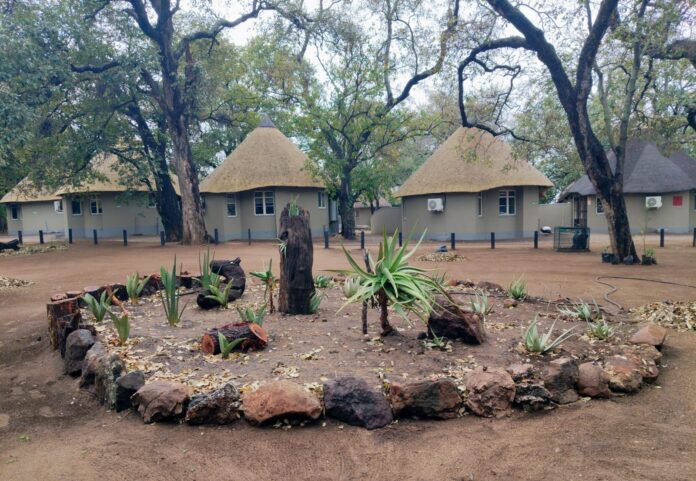
After being battered by repeated floods, Kruger National Park is rebuilding one of its most scenic northern camps, with 29 Letaba chalets restored and SANParks targeting full operations at the camp by December.
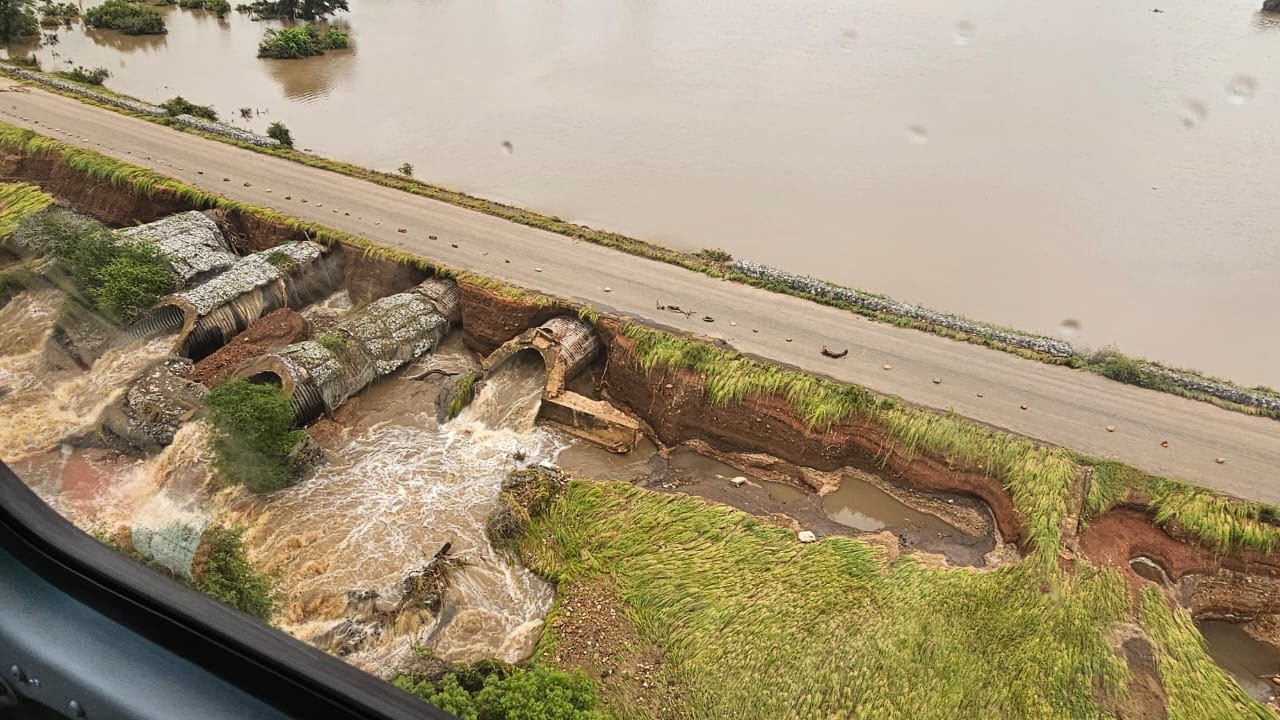
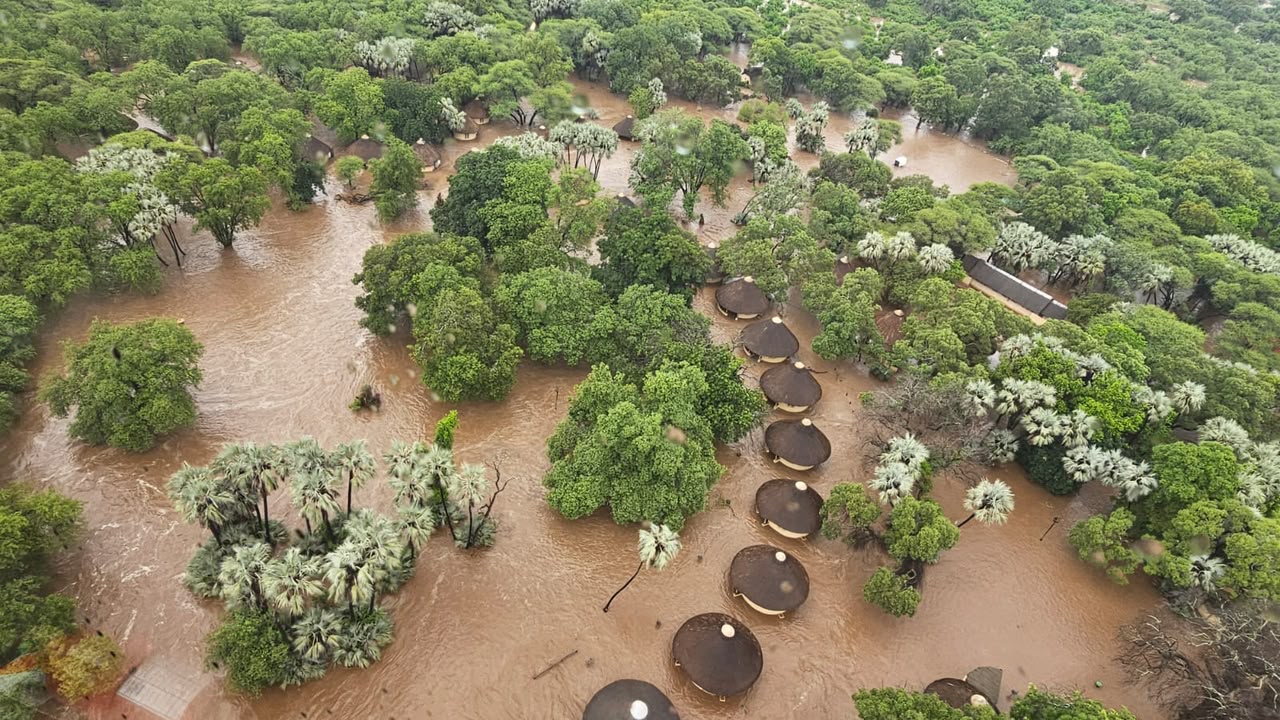
Letaba Rest Camp was among the areas hit hard by the January 2026 floods, which damaged accommodation, staff housing, roads and critical service infrastructure. Now, after months of recovery work, the camp is gradually welcoming visitors back.
Camping facilities are fully operational, public facilities supporting camping activities are available and 29 chalets have been restored. But SANParks CEO Hapiloe Sello told the media on Monday that the recovery is about more than repairing what was lost.
The organisation is using the devastation as an opportunity to build infrastructure that can better withstand future extreme weather. The latest flooding came as Kruger was still recovering from the damage caused by major floods in 2023.
“As we were beginning to find our feet, 2026 hit us,” Sello said during the reopening programme at Letaba. The January floods caused significant damage, particularly in the northern parts of the park. Sello said accommodation facilities, staff housing, roads and critical service infrastructure were affected, including SANParks’ own water purification systems in areas such as Olifants and Letaba.
“It was a torrid, difficult time,” she said.
For Sello, one of the most difficult aspects of the disaster was the safety of staff and visitors. The immediate priority was getting people out of harm’s way as floodwaters affected parts of the park. Yet, despite the scale of the destruction, the recovery progressed rapidly.
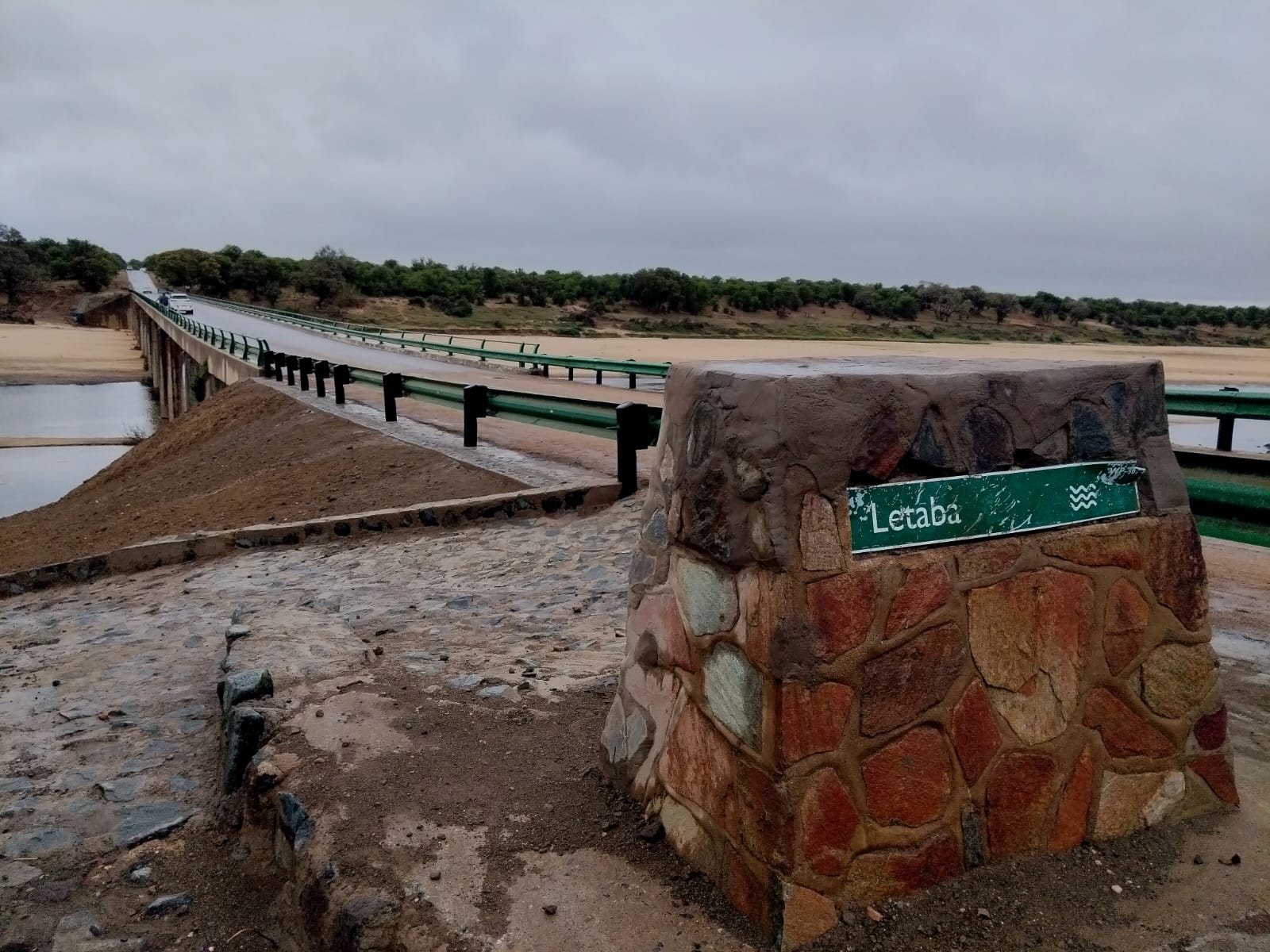
Sello said technical teams could only get onto the ground in February, but the Letaba High Water Bridge was turned around in six weeks and has already been operational for about three months. The bridge forms a crucial link through the northern section of the park and is important for both tourism and park operations.
Building back better
The floods have also forced SANParks to rethink how it approaches infrastructure. Rather than simply replacing what was destroyed, the organisation is using the recovery to improve the resilience of its facilities.
“What the floods and the damage brought with them created for us an opportunity to reconsider how we can build better and be a bit more resilient,” Sello said.
Also Read: FlySafair resumes operations at Limpopo’s Hoedspruit Airport after severe floods
A more resilient infrastructure design
She said infrastructure design is now more resilient than it was a year ago, with technical teams incorporating lessons from the floods into plans for a stronger Kruger. And the threat is not limited to flooding.
“It’s not only just the floods. The heat is coming too,” Sello warned.
That means the park has to prepare for a future in which extreme weather events could place increasing pressure on roads, bridges, accommodation, water systems and other infrastructure.
For visitors, the consequences are practical. A stronger bridge helps maintain access. More resilient accommodation reduces disruptions. Reliable water infrastructure keeps camps functioning. Ultimately, the investment is about ensuring visitors can continue experiencing Kruger while conservation operations remain functional.
Forestry, Fisheries and the Environment Minister David Maynier said the reopening of Letaba and the restoration of the Letaba High Water Bridge represented more than the completion of infrastructure projects.
He described the work as a demonstration of resilience and determination, as well as a commitment to ensuring that Kruger remains accessible and sustainable.
“The 29 units we are opening today represent a decision to not just replace the damaged infrastructure with what it was before, but to use the opportunity to upgrade the units,” Maynier said.
He said the upgraded facilities would improve the visitor experience, with a further 65 units expected to follow later this year ahead of the peak tourist season.
‘Springboard for innovation’
Getting more tourists back into accommodation is particularly important because Kruger is a major driver of SANParks’ tourism portfolio and contributes significantly to the organisation’s broader sustainability.
“When the Kruger National Park succeeds, SANParks succeeds,” Maynier said.
The minister also called for a broader partnership between government, SANParks, industry, investors, research institutions and development partners to strengthen conservation infrastructure. He said Kruger could become a springboard for innovation and investment in infrastructure capable of withstanding future climate pressures.
“We have the opportunity to use the Kruger National Park as a springboard for innovation, for partnerships, and for investment that can strengthen resilience not only here, but of course across the entire national parks system,” Maynier said.
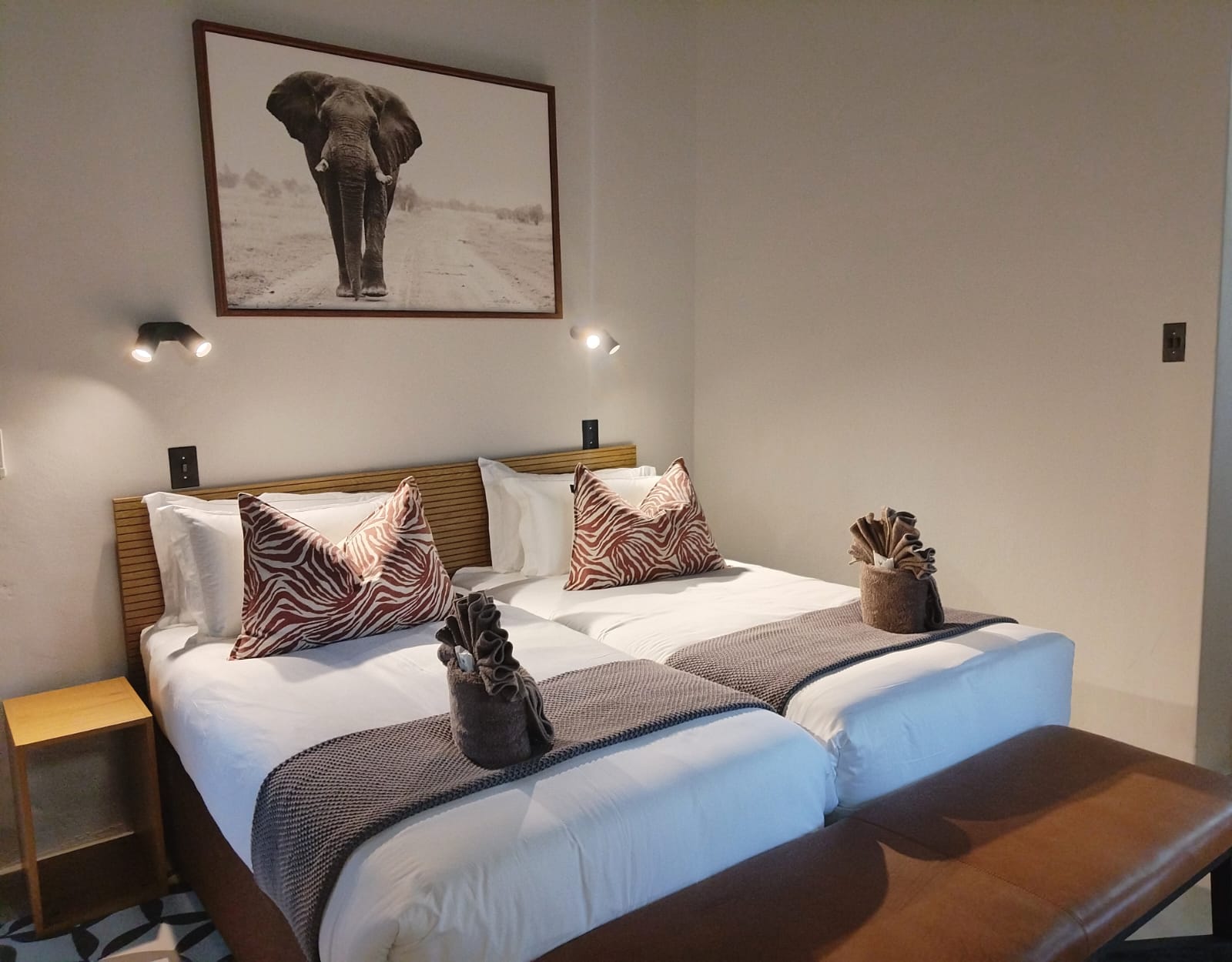
For travellers, the most visible sign of the recovery is the return of accommodation. SANParks has restored 29 chalets at Letaba, with journalists taken through one of the refurbished units during the reopening programme.
The camp retains the rustic character associated with a Kruger experience, while the restored units have been upgraded as part of the recovery. The reopening is phased, however, and construction work has not completely disappeared. Partitioned areas remain visible around parts of the camp as additional restoration work continues. Sello said SANParks is targeting December for Letaba to be fully operational.
“It’s a large camp,” she said, pointing to the scale of the recovery already achieved.
The phased reopening follows the earlier return of Letaba’s camping facilities. SANParks announced in July that the campsite had reopened after its temporary closure following the January floods.
More than a camp reopening
The Letaba recovery has become a snapshot of a much bigger challenge facing Kruger. The park is not only rebuilding after one extreme weather event. It is having to consider how its infrastructure can cope with a changing climate and increasingly severe weather shocks.
Maynier said government wants national parks to become leaders in resilient infrastructure design, including stronger roads and bridges, sustainable energy systems and water infrastructure capable of withstanding future shocks.
The broader recovery programme is significant, with SANParks estimating the total cost of repairing flood-damaged infrastructure in Kruger at about R950 million.
For SANParks, however, the investment is about more than bricks, roads and buildings. Sello said the recovery demonstrated the organisation’s commitment to restoring, strengthening and sustaining the assets entrusted to it so they can continue serving visitors, supporting conservation and contributing to South Africa’s economy.
For travellers, the message is simpler. After some very dark months, Letaba is open again. The chalets are returning. The bridge is carrying traffic. Campers are back.
And if SANParks meets its December target, the next chapter of Letaba’s recovery will be a return to full operation, but with infrastructure designed to be better prepared for whatever the weather brings next.
Also Read: Kruger’s R950m flood rebuild could change the way you safari
- Kruger National Park is rebuilding Letaba Rest Camp, restoring 29 chalets and targeting full operations by December after January 2026 floods caused extensive damage.
- The January 2026 floods damaged accommodation, staff housing, roads, critical service infrastructure, and SANParks' water purification systems in northern parts of the park.
- The Letaba High Water Bridge was repaired and operational within six weeks following the floods, serving as a crucial link for tourism and park operations.
- SANParks is using the recovery as an opportunity to build more resilient infrastructure capable of withstanding future extreme weather and climate pressures.
- The total estimated cost for repairing flood damage in Kruger National Park is about R950 million, with plans to upgrade an additional 65 units at Letaba before the peak tourist season.


