


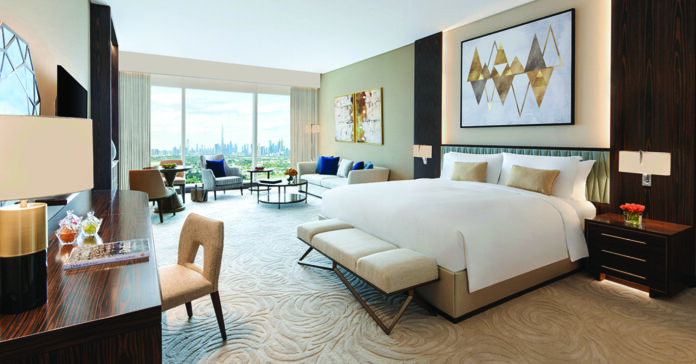
Luxury used to be easy to recognise: five-star ratings, plush suites, polished service, infinity pools and a pillow menu that somehow made the room feel more expensive. But today’s luxury traveller is asking a different question: What will I experience here?
A beautiful room and impeccable service still matter but they are increasingly only the starting point.
From wellness and food to personalisation, nature, culture and a property’s connection to its surroundings, luxury hospitality is being redefined around the entire guest experience.
Research from Deloitte found that 68% of luxury travel advisers are seeing a growing demand for highly customised itineraries tailored to individual interests and lifestyles. The Global Wellness Institute projects that the wellness tourism market will reach $1.4 trillion (R23 trillion) by next year.
Together, the trends point to travellers seeking stays that feel personal, restorative and connected to their destination.
International groups, among them Aman Resorts, Four Seasons and The Ritz-Carlton, have put personalisation, wellbeing and destination-led experiences at the centre of their offerings.
South African brands, such as The Royal Portfolio and Babylonstoren, similarly extend hospitality beyond accommodation through food and wine, art, culture, conservation, wellness and nature.
“Guests still expect beautiful accommodation and exceptional service but they are increasingly judging a stay on everything that surrounds the room itself,” Jessica Louw, the marketing manager of hospitality at Steenberg Farm, said.
“They want experiences that feel considered, seamless and connected to a genuine sense of place.”
That requires recognising that two guests booking the same room might want completely different holidays. One might prefer a spa treatment and a quiet afternoon among the vineyards; another might choose wine tasting, fine dining or exploring the surrounding area.
Technology can help hotels remember preferences but meaningful personalisation need not be complicated.
“It is about understanding the purpose of a guest’s visit, remembering their preferences, or recognising what matters to them.
“The best hospitality feels natural and intuitive,” Louw said.
For digitally accustomed travellers, the goal is not more technology but using information to make human service feel thoughtful rather than transactional.
Wellness is changing too. The traditional hotel spa remains popular but travellers increasingly want broader opportunities to rest, reset and disconnect.
“Sometimes that comes through a spa treatment but it can just as easily come from spending time in nature, enjoying an unhurried meal or simply having space to disconnect from everyday demands,” Louw said.
A vineyard walk, slow breakfast, afternoon outdoors or quiet evening without an itinerary can therefore be as valuable as a treatment menu. Wellness is becoming part of the architecture of a stay rather than something confined to a spa.
Food is also shaping how travellers experience and choose destinations. Research cited by JLL’s 2025 Hotel Restaurant Report found that 60% of luxury travellers prioritise hotels with great restaurants.
A destination restaurant, vineyard lunch, wine tasting or carefully curated regional dinner can become one of the defining experiences of a trip, rather than simply somewhere guests go when they are hungry.
Perhaps the biggest shift is the value placed on authenticity and a property’s relationship with its surroundings. Beautiful rooms, exceptional linen and attentive service can be replicated across the world; a destination’s history, landscape, food, culture and people cannot.
“Guests can find beautiful hotels almost anywhere in the world. What stands out is a destination’s history, landscape, people and character,” Louw said.
This gives South Africa a strong advantage. Its wine estates, safari lodges, coastal retreats and heritage properties can draw on distinctive landscapes, cuisine, wildlife, culture and history.
At Steenberg, for example, the experience extends across accommodation, restaurants, spa facilities and vineyards, allowing guests to shape a stay around food and wine, wellness, nature or simply switching off.
That is a different proposition from merely checking into a five-star room.
For hospitality brands, that means competing on experience rather than amenities.
- Luxury hospitality is increasingly focused on the entire guest experience, including wellness, food, personalisation, nature, culture, and connection to the destination.
- Deloitte research shows 68% of luxury travel advisers report growing demand for highly customised itineraries tailored to personal interests and lifestyles.
- The Global Wellness Institute projects the wellness tourism market will reach $1.4 trillion (R23 trillion) by next year.
- 60% of luxury travellers prioritise hotels with great restaurants, according to JLL’s 2025 Hotel Restaurant Report.
- South African brands like The Royal Portfolio and Babylonstoren offer hospitality that extends beyond accommodation to include food, wine, art, culture, conservation, wellness, and nature.
Luxury used to be easy to recognise: five-star ratings, plush suites, polished service, infinity pools and a pillow menu that somehow made the room feel more expensive. But today’s luxury traveller is asking a different question: What will I experience here?
A beautiful room and impeccable service still matter but they are increasingly only the starting point.
From wellness and food to personalisation, nature, culture and a property’s connection to its surroundings, luxury hospitality is being redefined around the entire guest experience.
Research from Deloitte found that 68% of luxury travel advisers are seeing a growing demand for highly customised itineraries tailored to individual interests and lifestyles. The Global Wellness Institute projects that the wellness tourism market will reach $1.4 trillion (R23 trillion) by next year.
Together, the trends point to travellers seeking stays that feel personal, restorative and connected to their destination.
International groups, among them Aman Resorts, Four Seasons and The Ritz-Carlton, have put personalisation, wellbeing and destination-led experiences at the centre of their offerings.
South African brands, such as The Royal Portfolio and Babylonstoren, similarly extend hospitality beyond accommodation through food and wine, art, culture, conservation, wellness and nature.
“Guests still expect beautiful accommodation and exceptional service but they are increasingly judging a stay on everything that surrounds the room itself,” Jessica Louw, the marketing manager of hospitality at Steenberg Farm, said.
“They want experiences that feel considered, seamless and connected to a genuine sense of place.”
That requires recognising that two guests booking the same room might want completely different holidays. One might prefer a spa treatment and a quiet afternoon among the vineyards; another might choose wine tasting, fine dining or exploring the surrounding area.
Technology can help hotels remember preferences but meaningful personalisation need not be complicated.
“It is about understanding the purpose of a guest’s visit, remembering their preferences, or recognising what matters to them.
“The best hospitality feels natural and intuitive,” Louw said.
For digitally accustomed travellers, the goal is not more technology but using information to make human service feel thoughtful rather than transactional.
Wellness is changing too. The traditional hotel spa remains popular but travellers increasingly want broader opportunities to rest, reset and disconnect.
“Sometimes that comes through a spa treatment but it can just as easily come from spending time in nature, enjoying an unhurried meal or simply having space to disconnect from everyday demands,” Louw said.
A vineyard walk, slow breakfast, afternoon outdoors or quiet evening without an itinerary can therefore be as valuable as a treatment menu. Wellness is becoming part of the architecture of a stay rather than something confined to a spa.
Food is also shaping how travellers experience and choose destinations. Research cited by JLL’s 2025 Hotel Restaurant Report found that 60% of luxury travellers prioritise hotels with great restaurants.
A destination restaurant, vineyard lunch, wine tasting or carefully curated regional dinner can become one of the defining experiences of a trip, rather than simply somewhere guests go when they are hungry.
Perhaps the biggest shift is the value placed on authenticity and a property’s relationship with its surroundings. Beautiful rooms, exceptional linen and attentive service can be replicated across the world; a destination’s history, landscape, food, culture and people cannot.
“Guests can find beautiful hotels almost anywhere in the world. What stands out is a destination’s history, landscape, people and character,” Louw said.
This gives South Africa a strong advantage. Its wine estates, safari lodges, coastal retreats and heritage properties can draw on distinctive landscapes, cuisine, wildlife, culture and history.
At Steenberg, for example, the experience extends across accommodation, restaurants, spa facilities and vineyards, allowing guests to shape a stay around food and wine, wellness, nature or simply switching off.
That is a different proposition from merely checking into a five-star room.
For hospitality brands, that means competing on experience rather than amenities.


