


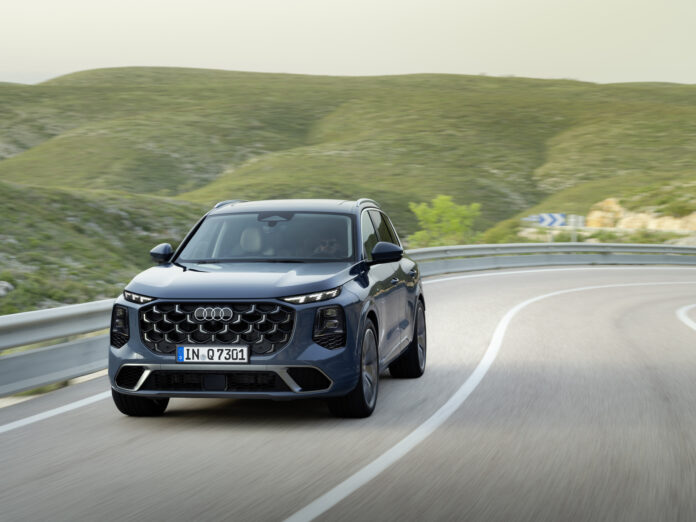
German luxury carmaker Audi has lifted the wraps off the third-generation Q7, a flagship luxury SUV that combines family practicality, cutting-edge technology and premium comfort as competition intensifies in the high-end SUV segment.
The new Q7, expected to arrive in South Africa during the first quarter of 2027, builds on more than two decades of success for the model, which has become one of Audi’s most important global SUVs since its debut in 2005.
Bolder design
The latest version arrives with a bolder design, advanced lighting technology and a more versatile cabin that can accommodate five, six or seven occupants. Audi says the vehicle has been designed to meet the needs of business executives, families and long-distance travellers alike.
“The new Q7 combines a sporty, powerful design with a highly versatile interior, first-class materials and a wide range of technologies,” said Audi Chief Executive Officer Gernot Döllner.
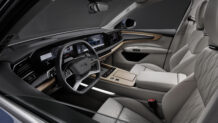
One of the biggest changes is the introduction of an optional six-seat configuration featuring individual second-row seats, giving the SUV a more business-class feel. The traditional seven-seat layout remains available, while a panoramic glass roof with switchable transparency adds to the luxury appeal.
Impressive practicality
The SUV offers impressive practicality, with luggage capacity ranging from 806 litres in the five-seat model to a maximum of 2,075 litres when the rear seats are folded flat.
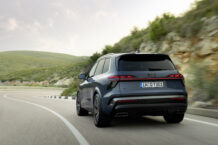
Technology takes centre stage in the new Q7. Optional digital Matrix LED headlights can project high-resolution light patterns onto the road, while third-generation OLED rear lights introduce advanced communication lighting features aimed at improving visibility and safety.
Audi has also expanded its suite of driver-assistance technologies, including adaptive driving assistance, trained parking functionality and reverse assist, which can automatically retrace a previously driven route when reversing out of tight spaces.
Mild-hybrid technology
Under the bonnet, buyers will have a choice of two 3.0-litre V6 diesel engines producing either 180kW or 220kW. Both are paired with mild-hybrid technology that can temporarily add 18kW of electric assistance to improve efficiency and performance. Power is delivered through an eight-speed automatic transmission and Audi’s renowned quattro all-wheel-drive system.
The new Q7 enters a fiercely contested luxury SUV segment dominated by rivals such as the BMW X5, Mercedes-Benz GLE, Range Rover Sport and Volvo XC90.
With luxury buyers increasingly demanding a blend of technology, versatility and refinement, Audi is betting that the latest Q7 will help strengthen its position in one of the premium market’s most competitive segments.
- Audi has unveiled the third-generation Q7 luxury SUV, emphasizing a bolder design, advanced lighting technology, and versatile seating for five, six, or seven occupants.
- The new Q7 features an optional six-seat configuration with individual second-row seats, a panoramic glass roof with switchable transparency, and premium materials.
- It offers impressive practicality with luggage space ranging from 806 litres (five-seat) to 2,075 litres (rear seats folded).
- Technological highlights include optional Matrix LED headlights, OLED rear lights, and expanded driver-assistance features like adaptive driving assistance and reverse assist.
- The SUV is powered by two mild-hybrid 3.0-litre V6 diesel engines (180kW or 220kW) paired with an eight-speed automatic and quattro all-wheel drive, competing against models like the BMW X5 and Mercedes-Benz GLE.


