


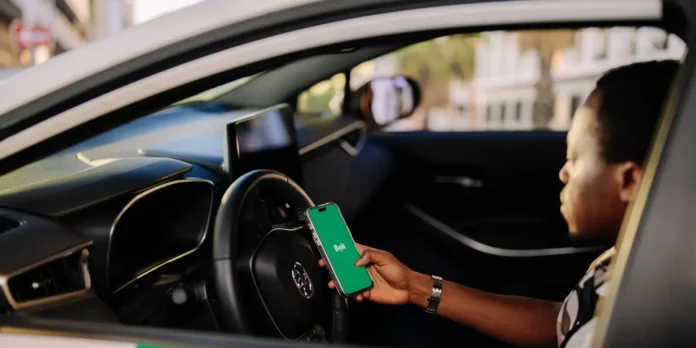


Ride-hailing company Bolt South Africa has expanded its rider identity verification process in South Africa as part of a broader effort to improve safety, accountability and trust on its platform.
The announcement was made during the company’s inaugural Rider & Passenger Safety Summit held in Johannesburg, where industry stakeholders, safety experts and mobility partners gathered to discuss ways of strengthening safety across the country’s ride-hailing ecosystem.
ID number and selfie verification
The enhanced verification process requires riders to provide their South African identity number and complete a selfie verification. In cases where verification cannot be completed automatically, users are asked to upload an identity document for further checks. The system is supported by a verification partner and cross-references information with records held by the Department of Home Affairs.
According to Bolt, the move is intended to create greater accountability among platform users while supporting compliance with South Africa’s transport regulations under the National Land Transport Act.
The announcement comes during Youth Month, a period that highlights the importance of safe and accessible mobility for young South Africans who rely on transport services for education, employment and social activities.
‘Safety paramount’
Speaking at the summit, Sbu Ngwane, senior general manager at Bolt South Africa, said research commissioned by Bolt revealed that safety remains one of the most important considerations for South Africans when choosing transport options.
The findings, contained in the Ride-Hailing Safety Index Report conducted by research firm Ipsos, showed that 90% of respondents chose ride-hailing because it was perceived as safer than alternative transport options. The study also found that 92% of respondents felt safer using ride-hailing services at night, while 96% agreed that in-app safety features contribute to safer journeys.
Ngwane cautioned that rider verification alone would not eliminate all safety incidents but described it as an important component of a wider safety strategy that includes technology, education, partnerships and collaboration with regulators and law enforcement agencies.
The research further highlighted the growing importance of digital safety tools. Real-time GPS tracking, live trip sharing and driver verification emerged as the three most valued safety features among South African passengers.
Riders advised to verify driver and vehicle details
Bolt encouraged users to make use of features such as Pick-Up Codes, Live Trip Sharing, Ride Check, Active Trip Monitoring, Emergency Assist and in-app incident reporting. Riders were also advised to verify driver and vehicle details before entering a vehicle.
Women’s safety emerged as another major focus area during the summit. The Ipsos study found that women account for 70% of ride-hailing users in South Africa, with many citing concerns about personal security and harassment on public transport as key reasons for choosing ride-hailing services.
To address these concerns, Bolt showcased its Women for Women category, which allows female passengers to request trips with verified female driver partners.
The company said the rider verification rollout is already available nationwide on a voluntary basis and will be expanded gradually. Bolt has also committed €100-million (about R1.8-billion) globally between 2024 and 2027 towards strengthening platform safety through technology upgrades, enhanced safety features and improved support systems.
- Speakers at Bolt’s inaugural Rider & Passenger Safety Summit in Johannesburg Sbu Ngwane, Senior General Manager at Bolt South Africa.
- Ride-hailing company Bolt South Africa has expanded its rider identity verification process in South Africa as part of a broader effort to improve safety, accountability and trust on its platform.
- The announcement was made during the company’s inaugural Rider & Passenger Safety Summit held in Johannesburg, where industry stakeholders, safety experts and mobility partners gathered to discuss ways of strengthening safety across the country’s ride-hailing ecosystem.
- ID number and selfie verification The enhanced verification process requires riders to provide their South African identity number and complete a selfie verification.
- In cases where verification cannot be completed automatically, users are asked to upload an identity document for further checks.


