


Isuzu Motors South Africa and Nelson Mandela University (NMU) are strengthening their partnership to develop engineering skills as South Africa’s automotive manufacturing industry becomes increasingly reliant on automation, robotics and digital technologies.
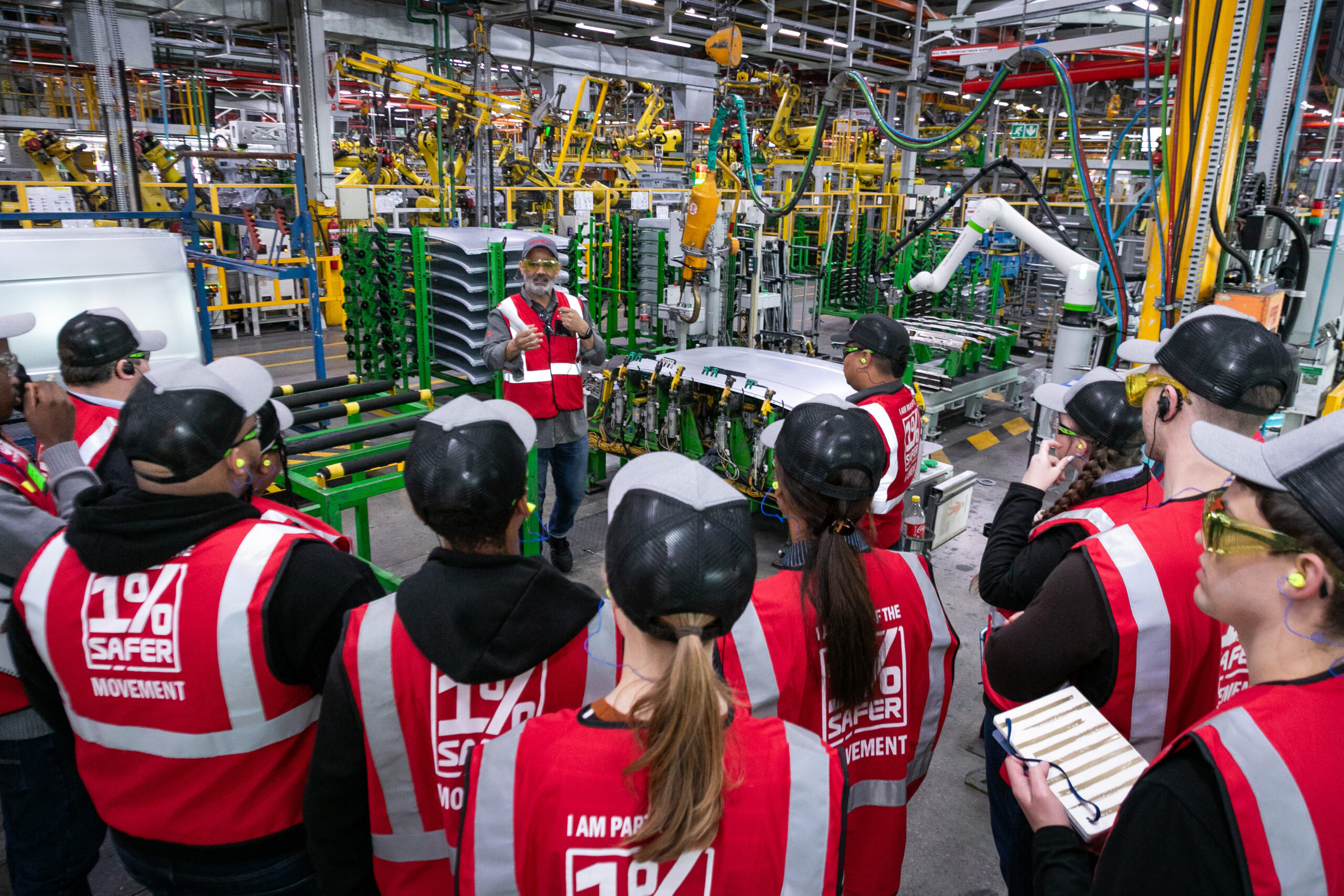
The collaboration, centred around the Isuzu Chair of Mechatronics, gives engineering students practical exposure to manufacturing operations at Isuzu’s plant in Gqeberha.
Since 2018, Isuzu has invested R2.3-million in the programme, which has benefited 276 students through industry-linked projects, plant visits, mentorship and access to the manufacturer’s engineers and technical specialists. The partners are now aiming to expose 400 mechatronics students to industry by 2030. Their broader relationship dates back to 2009.
“Bringing industry and academia closer together is important because developing future engineers requires both strong academic foundations and opportunities to apply that knowledge in the real world,” said Isuzu Motors South Africa corporate affairs department executive Nandi Matomela.
She said exposing students to working manufacturing environments also helped them develop practical judgement and problem-solving skills.
Hands-on industry experience
One recent project involved 20 third-year students tasked with developing potential solutions for transferring vehicle cabs and load boxes during production.
Students visited Isuzu’s manufacturing plant and worked with technical personnel while considering factors including safety, automation, reliability, production speed and maintenance. Third-year mechatronics engineering student Lomelelo Nogilana said the project demonstrated how theoretical knowledge translates into a manufacturing environment.
“Working on a real manufacturing challenge allowed me to apply the theory I have gained over the past three years in a practical industry environment,” Nogilana said. “It strengthened my problem-solving skills and deepened my understanding of automation and robotics.”
Bridging the gap between academia and industry
Students also participate in projects requiring them to design, build, programme and test working systems. NMU professor Theo van Niekerk said collaboration with industry gave students an opportunity to understand how engineering decisions were made outside the classroom.
“This exposure complements their academic learning and helps us develop graduates who are better prepared to contribute meaningfully to industry and the economy,” he said.
Preparing for a high-tech manufacturing future
The initiative comes as South Africa’s automotive sector faces the challenge of developing skills required for increasingly sophisticated manufacturing processes. Greater use of robotics, automation and digitally connected production systems is changing the technical capabilities expected from engineers entering the sector.
Isuzu said the partnership forms part of its broader education initiatives aimed at developing skills for South Africa’s future manufacturing workforce.
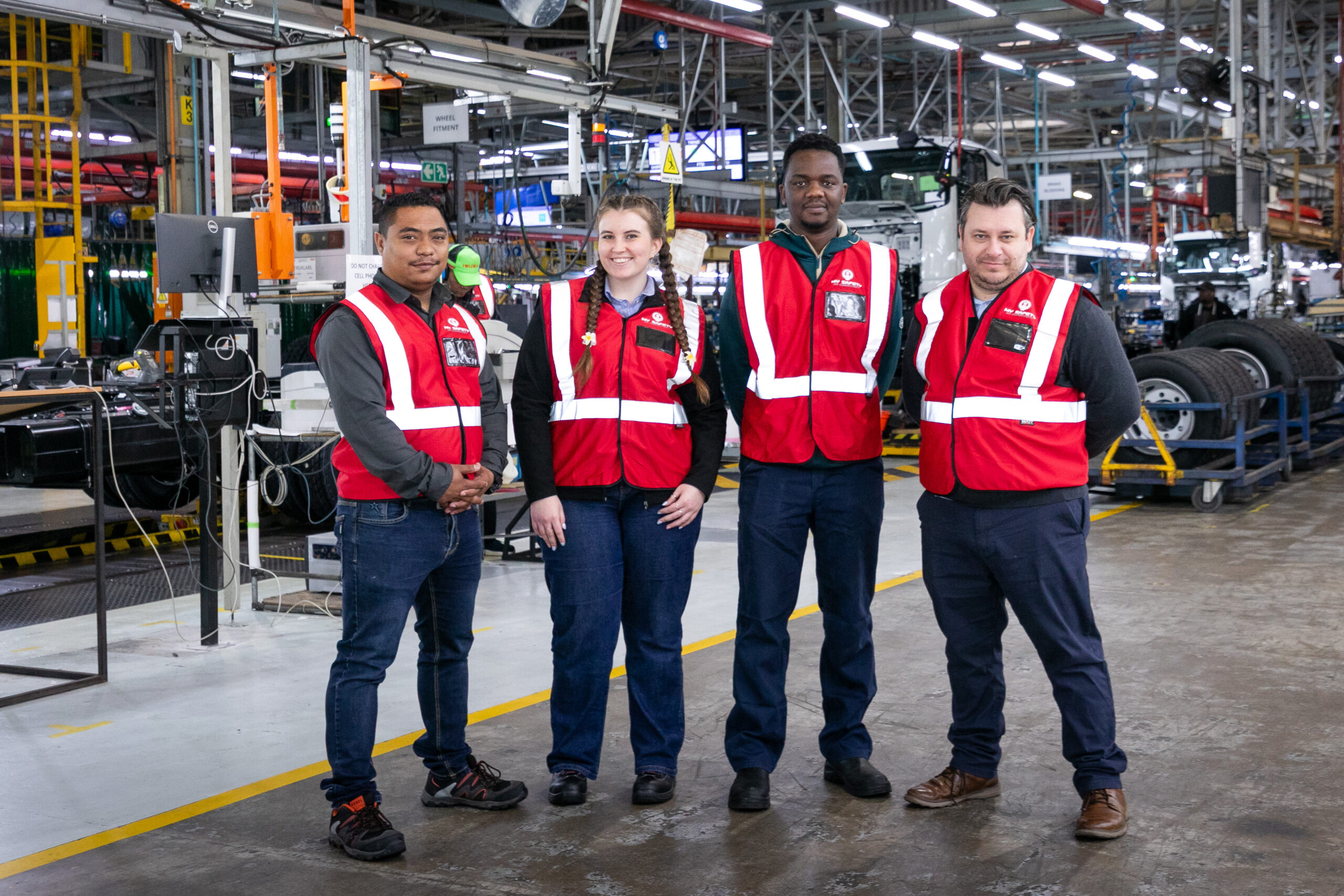
- (From left to right) Jason Hughes, Senior Manager: Manufacturing Engineering at Isuzu Motors South Africa; Anri Els and Humprey Moyo, third-year Mechatronics students at Nelson Mandela University; and Riaan Brown, Entity Leader: Chair of Mechatronics, during a student visit to IMSAf’s manufacturing plant in Gqeberha.
- The visit forms part of the ISUZU Chair of Mechatronics partnership, which connects academic learning with practical industry experience.
- Isuzu Motors South Africa and Nelson Mandela University (NMU) are strengthening their partnership to develop engineering skills as South Africa’s automotive manufacturing industry becomes increasingly reliant on automation, robotics and digital technologies.
- The collaboration, centred around the Isuzu Chair of Mechatronics, gives engineering students practical exposure to manufacturing operations at Isuzu’s plant in Gqeberha.
- Since 2018, Isuzu has invested R2.3-million in the programme, which has benefited 276 students through industry-linked projects, plant visits, mentorship and access to the manufacturer’s engineers and technical specialists.


