


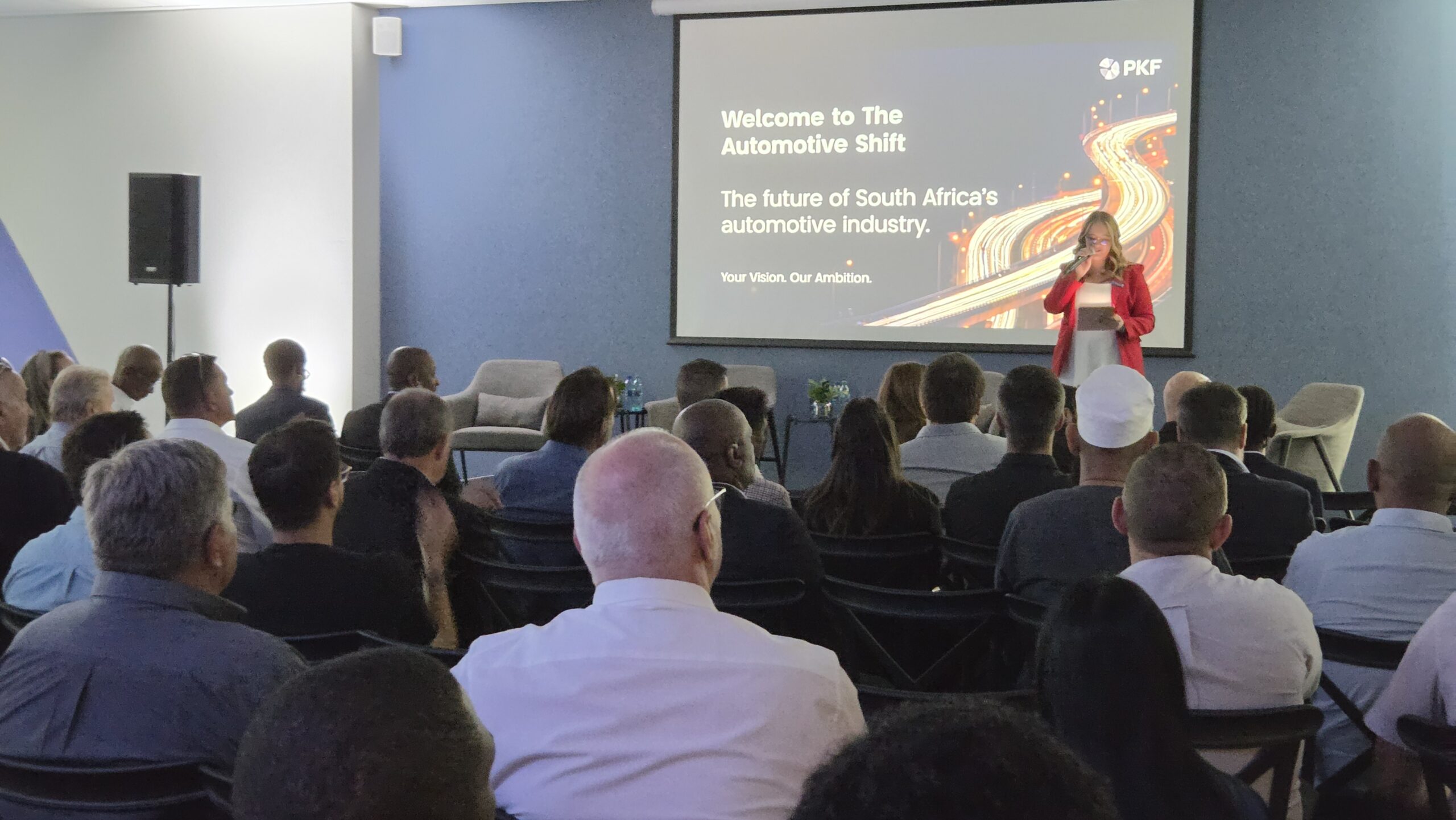
South Africa’s automotive industry faces mounting investment risks despite recovering vehicle sales, with imported cars increasingly dominating the domestic market. This is among the findings of a new automotive industry report commissioned by PKF Johannesburg and prepared by research consultancy Krutham, launched in Johannesburg on Tuesday.
The report reveals that imported vehicles accounted for 82.8% of passenger car sales in 2025, highlighting the growing disconnect between domestic demand and local manufacturing.
Chinese automotive brands have also increased their combined share of passenger and light-commercial vehicle sales from 4% in 2021 to 19.1% in the first quarter of 2026.
READ: Bank’s data confirms Chinese car surge as Chery sales jump 25%
Attending the launch, the presentation was reminiscent of automotive industry reports published by major accounting firms KPMG, Deloitte, PwC and EY.
PKF Johannesburg partner Ziyaad Moosa warned that South Africa risks losing future manufacturing investments to competing countries:
“The greatest risk is not necessarily a sudden collapse in automotive manufacturing but a gradual loss of investment and production opportunities as global manufacturers allocate future vehicle models to more competitive jurisdictions,”
The report reveals that automotive capital stock has declined by 13% since 2019, while local content remains around 38% to 40%, substantially below the 60% target set by the South African Automotive Masterplan 2035.
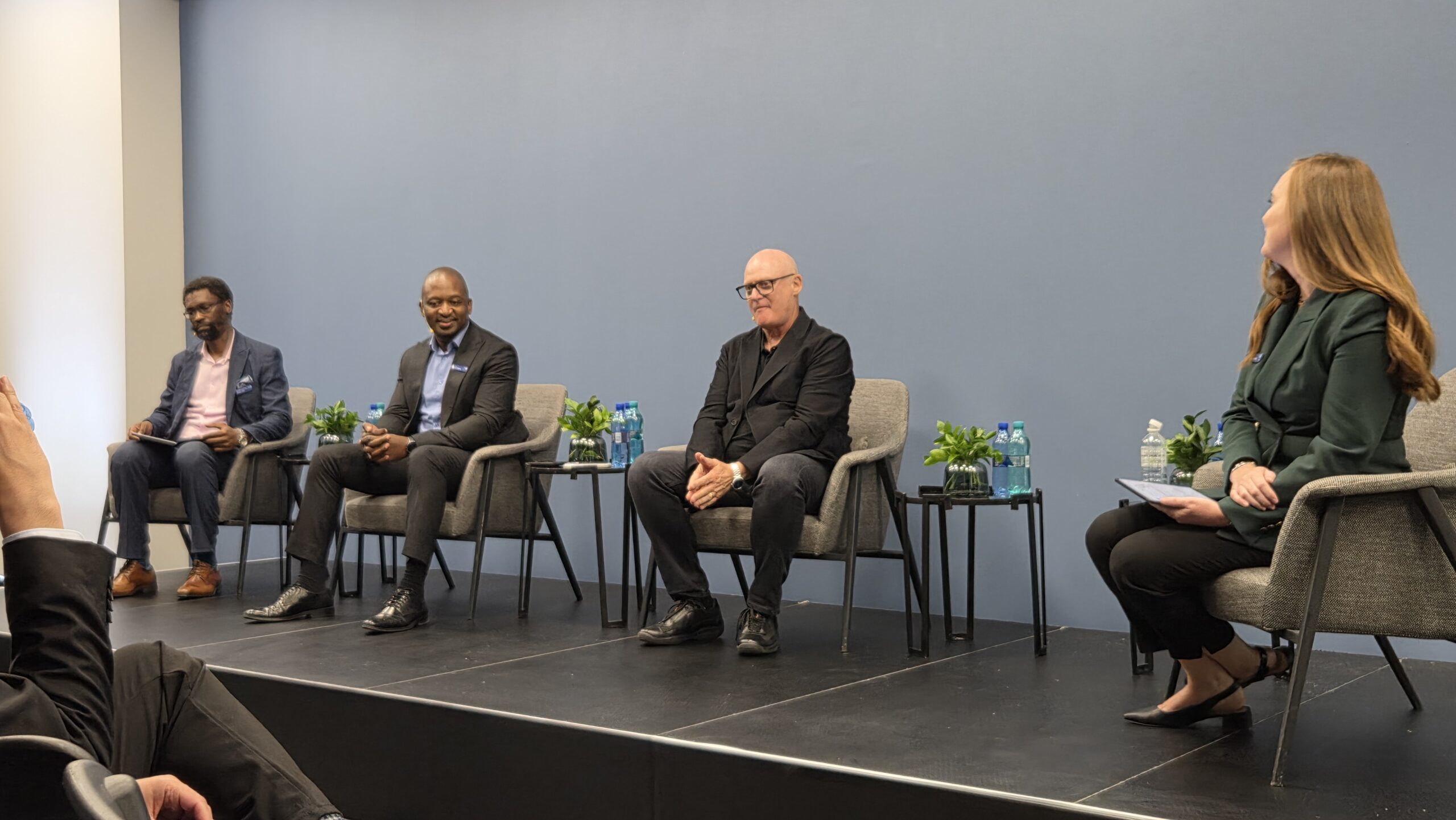
A panel discussion moderated by PKF chief operating officer Angie Da Silva examined the implications for manufacturers, retailers and consumers. Responding to a question about government’s decision to phase out semi-knocked-down (SKD) assembly operations, BAIC South Africa chief financial officer Anele Geza said SKD manufacturing should not be a long-term strategy. Geza argued that SKD operations offered limited economic growth benefits and confirmed that BAIC had transitioned to complete-knocked-down (CKD) manufacturing.
READ MORE: Government moves to end semi-knock-down vehicle assembly in SA
Cars.co.za managing director Amasi Mwela highlighted changing consumer preferences, suggesting that traditional aspirational vehicles such as the BMW 3 Series and Mercedes-Benz C-Class were losing ground to bakkies such as the Toyota Hilux and the bakkie segment.
Meanwhile, Hatfield Motor Group managing director Brad Kaftel linked the shrinking premium vehicle segment to South Africa’s economic difficulties. Responding to another question, Kaftel cautioned that investing in premium vehicle franchises had become increasingly risky amid competition from Chinese manufacturers and value-focused brands such as Suzuki. He said successful dealerships would need to select their brands carefully, maximise margins and control operating costs. Currently Hatfield Motor Group represents the big five Chinese automotive brands BYD, Chery Automotive Group, GWM, MG and Geely.
The report also highlights the importance of securing future manufacturing programmes, including the unresolved successor allocation for the Mercedes-Benz C-Class produced in East London.
Despite these challenges, PKF believes South Africa can remain a competitive automotive manufacturing hub if government and industry accelerate localisation, infrastructure improvements and investment in new-energy vehicle technologies.
- Imported vehicles made up 82.8% of South Africa's passenger car sales in 2025, indicating a gap between local manufacturing and domestic demand.
- Chinese automotive brands increased their combined market share from 4% in 2021 to 19.1% in the first quarter of 2026.
- Automotive capital stock in South Africa has declined by 13% since 2019, with local content remaining at 38% to 40%, below the 60% target set for 2035.
- BAIC South Africa has transitioned from semi-knocked-down (SKD) to complete-knocked-down (CKD) manufacturing, with SKD not viewed as a long-term growth strategy.
- The successor allocation for the Mercedes-Benz C-Class manufactured in East London remains unresolved, posing risks to future manufacturing programmes.


