


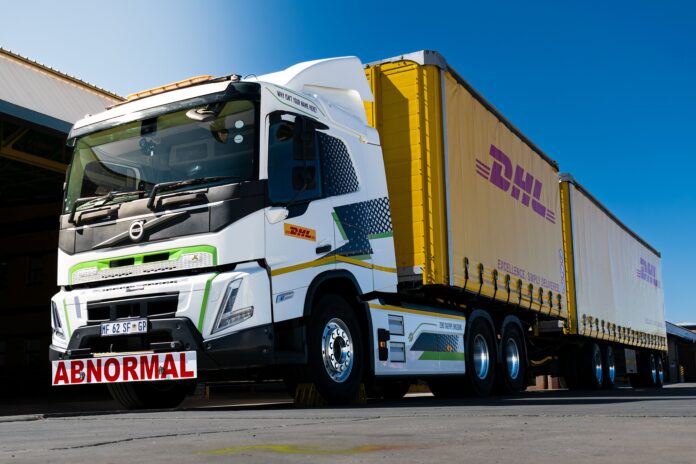
Volvo Trucks South Africa has reached a significant milestone in the country’s transition towards cleaner commercial transport after its growing fleet of battery-electric trucks surpassed 250,000 kilometres in real-world commercial operation.
The achievement comes less than three years after Volvo introduced its heavy-duty electric trucks to the South African market in 2023, with the vehicles now operating across various industries as businesses begin embracing zero-emission freight solutions.
Although the local milestone is modest compared with the more than 400 million kilometres accumulated by Volvo electric trucks globally, the company says it represents an important breakthrough for South Africa, where electric trucks are still in the early stages of adoption.
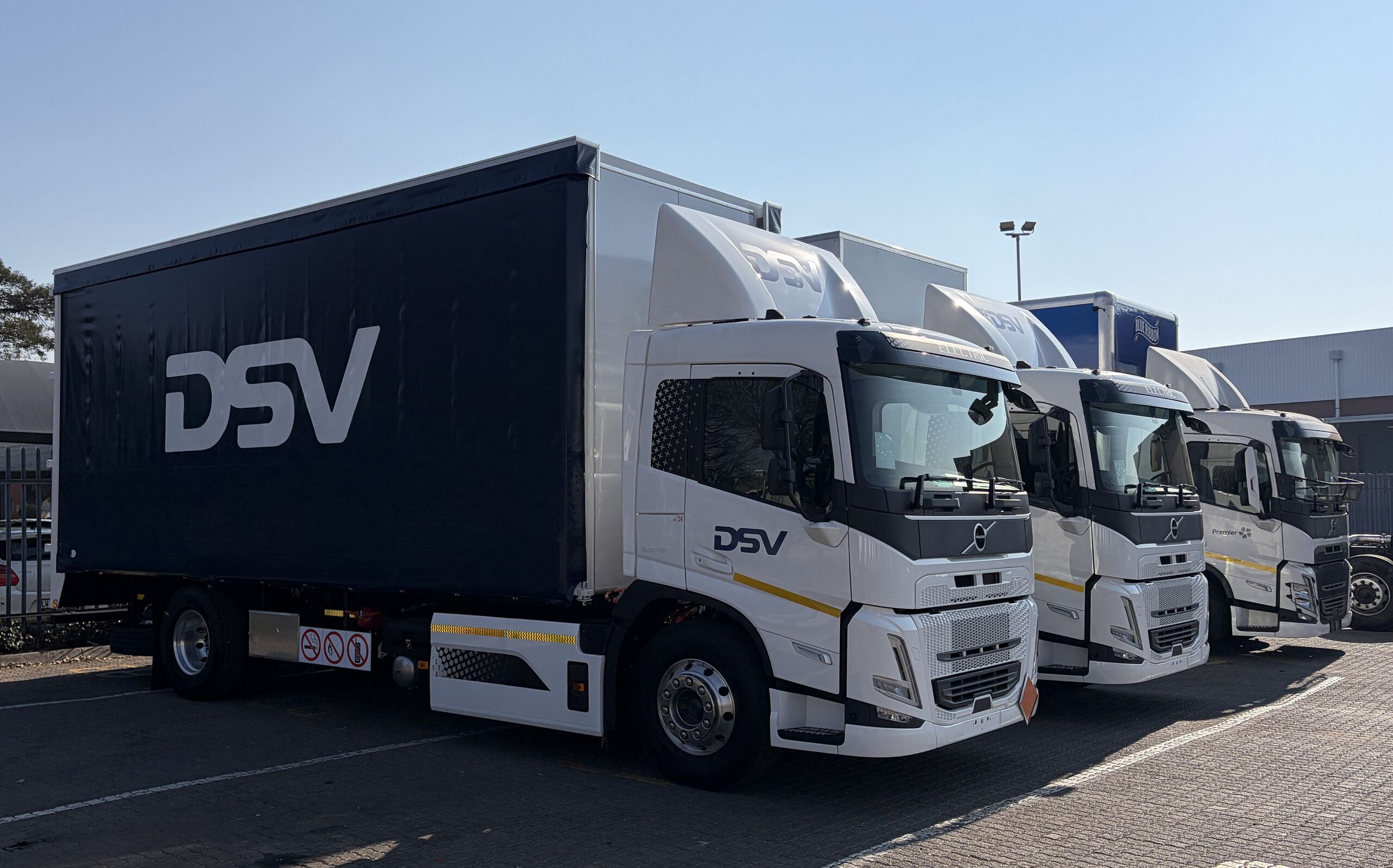
Volvo Trucks South Africa Senior Manager for Sustainable Solutions Eric Parry said the local fleet is primarily being used for shorter urban and regional distribution routes.
“While a quarter of a million kilometres may seem modest compared with the more than 400 million already accumulated by Volvo electric trucks globally, it represents a significant achievement in the South African context,” he said.
Clocking thousands of kilometre a month
According to Volvo, the trucks average around 2,000 kilometres per month across the fleet, while the highest-utilised vehicles consistently cover 10,000 kilometres monthly.
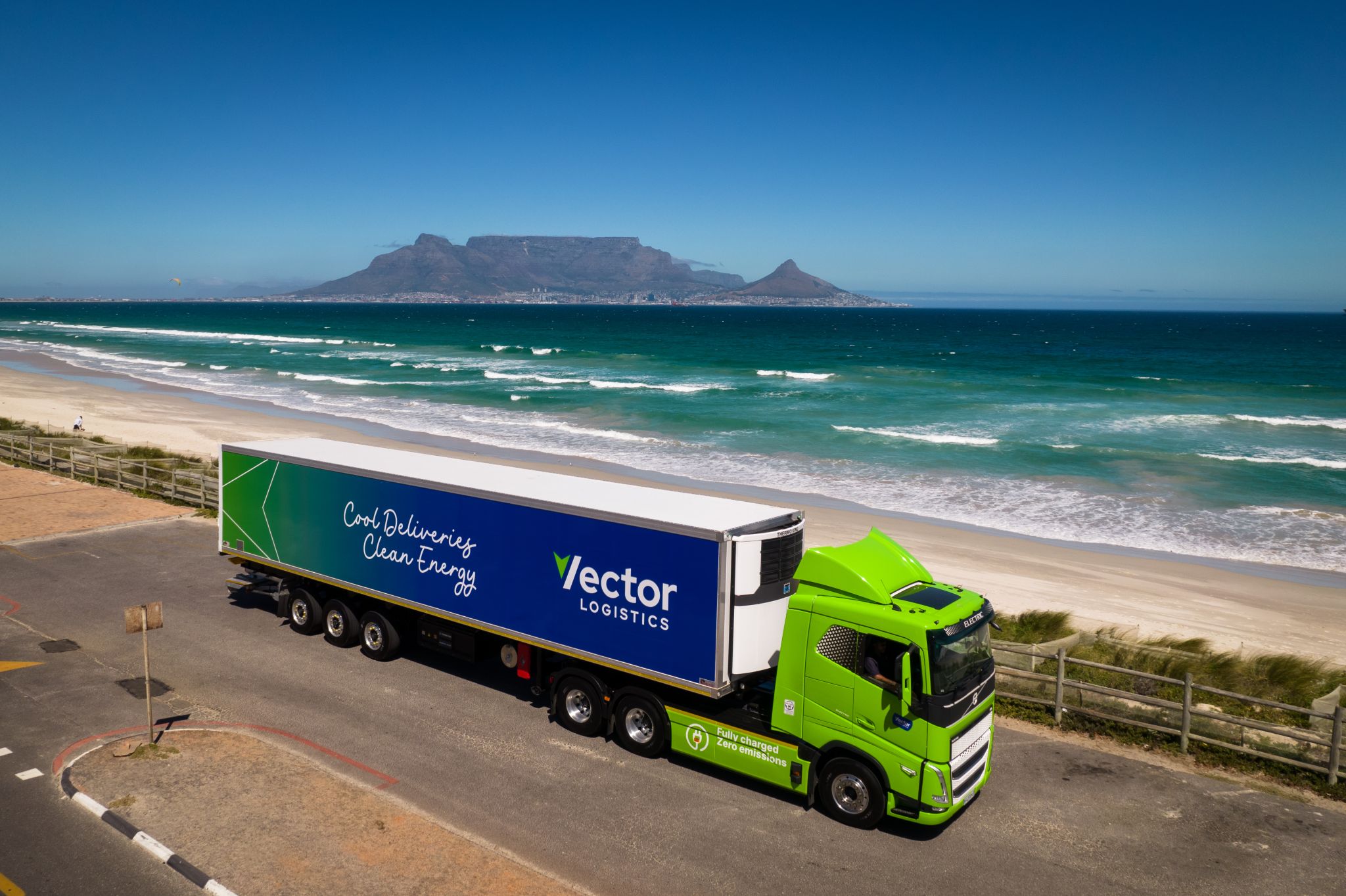
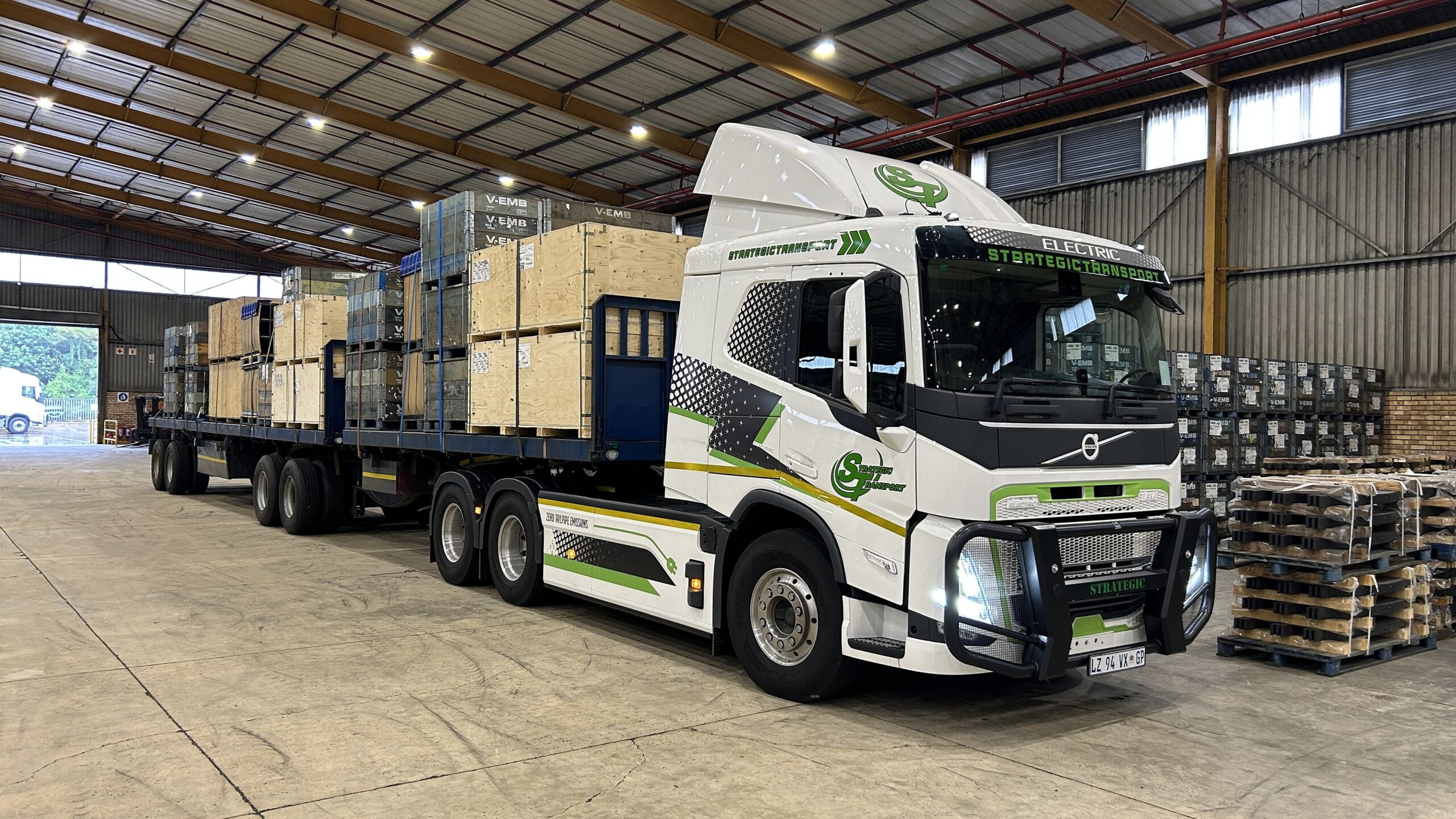
The vehicles consume an average of 1.77kWh per kilometre, with the fleet ranging from smaller eight-tonne distribution trucks carrying five to seven tonnes of payload to heavy 6×4 truck tractors hauling interlink trailers weighing more than 32 tonnes.
Parry said the milestone demonstrates that battery-electric trucks are capable of handling the demands of daily commercial transport.
“Our customers have embraced this technology with a willingness to learn, adapt and pioneer new ways of operating. Reaching a quarter of a million kilometres is not only a testament to the capability of the trucks but also to the commitment of the customers and drivers who are making this achievement possible,” he said.
Beyond reducing tailpipe emissions, the trucks have also provided valuable operational data on charging strategies, battery performance, vehicle utilisation and driver experience under South African conditions.
All of Volvo’s local electric truck customers currently recharge their vehicles at their own depots or loading facilities using privately installed charging infrastructure. Charging strategies vary between overnight slow charging and rapid top-up charging depending on operational requirements.
The Swedish manufacturer is already preparing for the next phase of its electric vehicle rollout.
Later this year, Volvo Trucks South Africa plans to introduce its next generation of battery-electric trucks offering longer driving ranges and increased power outputs, expanding the number of applications for which electric trucks can be used.
As South Africa’s freight industry gradually explores alternative powertrains, Volvo believes the first 250,000 kilometres represent not the destination, but the beginning of a broader shift towards cleaner and more sustainable road transport.
- Volvo Trucks South Africa’s battery-electric trucks have collectively surpassed 250,000 kilometres in real-world usage since their 2023 launch.
- The electric fleet serves mainly urban and regional distribution, averaging around 2,000 km per month, with top trucks hitting 10,000 km monthly.
- Trucks range from eight-tonne distribution models to heavy 6x4 tractors, consuming about 1.77 kWh per kilometre, proving effective for daily commercial transport demands.
- Customers recharge vehicles using private depot infrastructure and vary charging strategies between slow overnight and rapid top-ups based on needs.
- Volvo plans to launch next-generation electric trucks later in 2024 with longer ranges and more power, marking early progress in South Africa’s shift to sustainable freight transport.


