


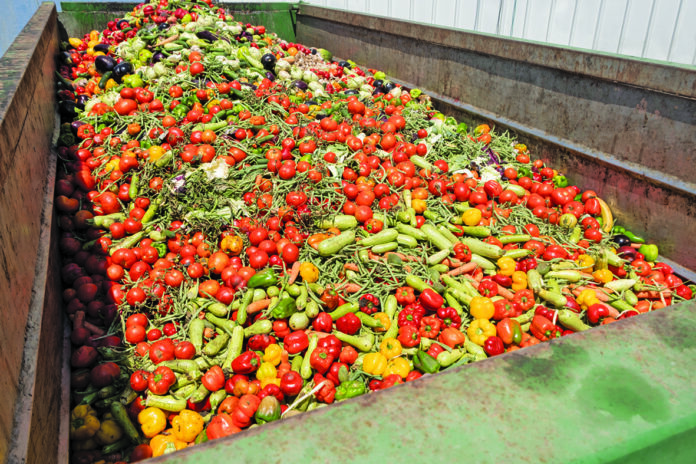
South Africa can produce enough food for its population, according to statistics. But millions face hunger, partly because food is lost and wasted in the value chain. An estimated 10.3-million tonnes of food are wasted annually, 19% of it fresh produce.
A substantial portion of the loss and waste occurs during harvesting, transportation and marketing in the form of handling problems and inadequate infrastructure.
Research by agri-food systems specialists, who have studied food waste at the farm level and further along the chain towards consumers, confirms that food waste is partly due to inadequacies or failures in the cold chain.
A recent study set out to assess the magnitude and seasonal variations of postharvest waste at the wholesale level using a case study of a fresh produce market in Gauteng. The study used the historical fresh produce waste data of the market over three years (2021 to 2023).
The results show that fresh produce is affected by seasonal heat and humidity, which affect the physical quality and consumer acceptability of fresh produce. High temperatures typically result in increased moisture loss. If that is uncontrolled, the produce deteriorates and cannot be sold or safely eaten.
About 9 124 to 17 969 tonnes, which is about 0.68% to 1.26% of the supplied fresh produce, are discarded annually at the fresh produce market. Much of it is a result of high temperatures during summer.
That’s why an efficient cold chain system and storage is important. Cold chain systems involve supply chain processes that are temperature-controlled, aimed at managing the temperature of perishable items from the moment they are harvested until they reach store shelves.
This can involve storing fresh produce under shades after harvesting and insulating them from heat or sunlight through refrigeration throughout the supply chain. The regulation slows down biological deterioration and spoilage.
One key to solving food waste problems is investment in cold chain facilities. Collaboration between research institutions and industry will aid in measuring food loss and waste.
Studies show that integrating AI can enhance cold chain systems.
This is a shortened version of an article that first appeared in The Conversation.
- South Africa wastes an estimated 10.3 million tonnes of food annually, with 19% being fresh produce.
- A significant portion of food loss occurs during harvesting, transportation, and marketing due to handling issues and inadequate infrastructure.
- Seasonal heat and humidity, particularly high temperatures in summer, increase moisture loss in fresh produce, leading to 9,124 to 17,969 tonnes being discarded annually at a Gauteng fresh produce market.
- Efficient cold chain systems, which control temperature from harvest to retail, are critical to reducing biological deterioration and food waste.
- Investment in cold chain facilities and collaboration between research institutions and industry, including the integration of AI, can improve measurement and management of food loss.


