


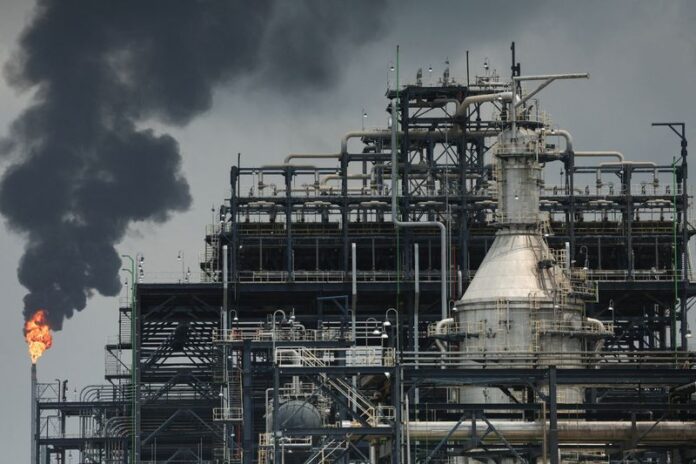
West African energy regulators are accelerating efforts to establish a regional fuel pricing benchmark and trading hub, driven by growing refining capacity and a desire to give Africa a stronger voice in global fuel markets.
At a regional refined fuel market conference on Tuesday, Nigeria’s Midstream and Downstream Petroleum Regulatory Authority (NMDPRA) said the launch of the 650 000 barrels-per-day Dangote refinery in 2024 had significantly altered fuel supply dynamics across the region. Regulators believe the refinery’s output capacity presents an opportunity for West Africa to develop its own pricing mechanisms and reduce reliance on foreign benchmarks.
Rabiu Umar, chief executive of the NMDPRA, said the continent must move beyond its traditional role in international petroleum markets.
“Africa must progress from being principally a price-taker in the global petroleum markets to become an increasingly credible centre of price discovery, trading, investment and value creation,” Umar told delegates.
Progress towards a regional benchmark
According to the regulator, meaningful progress has been made toward creating a regional refined-products benchmark market. The initiative has been supported by increased collaboration with S&P Global Commodity Insights, a key player in global commodity pricing and market intelligence.
The proposed benchmark would help improve transparency in regional fuel pricing while creating a platform better suited to reflecting African market realities. Advocates argue that a locally driven pricing system could strengthen market efficiency and attract greater investment into the region’s energy sector.
Infrastructure gaps remain a major challenge
Despite the momentum, significant hurdles remain before West Africa can establish itself as a credible fuel trading hub. Umar noted that inadequate infrastructure, logistical bottlenecks and limited market transparency continue to undermine regional trade and energy security.
Industry stakeholders warned that addressing these challenges will require substantial investments in fuel transport and storage networks. Key priorities include expanding pipeline infrastructure, increasing storage capacity, improving marine logistics and developing digital trading systems that can support greater market liquidity.
Call for harmonised regulations
Regulators also urged governments across West Africa to align fuel standards, licensing frameworks and cross-border trade rules. They argued that the current patchwork of regulations is increasing costs and creating barriers to regional energy trade.
A harmonised regulatory environment, they said, would facilitate smoother fuel movements across borders, encourage private-sector participation and support the development of an integrated regional market.
As new refining projects come online and regional cooperation deepens, policymakers are betting that West Africa can emerge as a significant centre for fuel trading and price discovery, helping Africa capture more value from its growing energy sector.
- West African energy regulators aim to establish a regional fuel pricing benchmark and trading hub due to growing refining capacity and desire for a stronger African voice in global fuel markets.
- The 650,000 barrels-per-day Dangote refinery, launching in 2024, is seen as a key factor altering regional fuel supply dynamics and enabling local pricing mechanisms.
- Collaboration with S&P Global Commodity Insights supports progress toward a regional refined-products benchmark to improve pricing transparency and reflect African market realities.
- Infrastructure deficits such as inadequate transport, storage, and logistics remain major challenges requiring substantial investments to support regional fuel trade.
- Regulators call for harmonized fuel standards, licensing, and trade regulations across West African governments to reduce costs and barriers to cross-border energy trade.


