


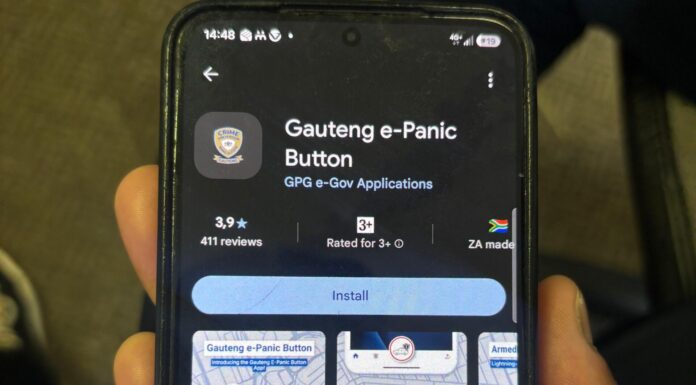
The Gauteng Legislature has demanded answers from the Department of e-Government following reports that a security flaw in the province’s e-Panic Button app exposed residents’ sensitive personal information.
The app, which residents use to report crimes and seek help during emergencies, allegedly left an unsecured database containing personal information, including identities, locations, crime reports, photographs, identity numbers, driver’s licence details and medical aid information.
The reported breach has raised concerns about the safety of residents who rely on the app for protection, with the Legislature’s Portfolio Committee on e-Government and Research and Development questioning whether the department did enough to safeguard their information.
Security flaw reportedly dates back to 2024
The security vulnerability was reportedly discovered by Stellenbosch University student Joel Cendras.
According to the reports, the flaw may have existed since the app was launched in 2024, potentially leaving residents’ personal information exposed for an extended period.
Read: Gauteng launches e-Panic app for distressed residents
The committee said the incident raised serious questions about the department’s ability to protect the information entrusted to it by residents.
It warned that people who used the app to report crimes and seek assistance may have been placed at risk if their personal details and locations were accessible to unauthorised parties.
Department must account for security failures
The committee is particularly concerned that the department had previously appeared before it and submitted reports on the app, providing assurances about its safety and security.
Read: Armed guards, metal detectors, panic buttons for Gauteng schools
It now wants to establish whether those assurances were accurate and whether adequate security testing, monitoring and risk controls were in place.
The committee has demanded that the department explain what measures were implemented to protect the database, how the vulnerability went undetected and what action has been taken to contain and fix the problem.
It also wants to know whether the exposed information was accessed or misused.
Residents and Information Regulator
The department has also been asked to confirm whether residents affected by the reported breach have been notified.
The committee wants clarity on whether the Information Regulator and other relevant authorities were informed of the incident.
It has called for a detailed written report outlining the timeline of the breach, the security audits conducted on the app and the steps taken to prevent a similar incident.
The committee said it would use its oversight powers to ensure that the department accounted for the reported security failure and took the necessary steps to protect residents’ privacy.
It warned that it would not accept assurances without evidence and would closely monitor the department’s response.
The committee said its priority was to ensure that the safety and privacy of Gauteng residents were restored and protected.
- The Gauteng Legislature demanded answers from the Department of e-Government after a security flaw in the e-Panic Button app exposed residents' personal information.
- The app's unsecured database contained identities, locations, crime reports, photographs, identity numbers, driver’s licence details, and medical aid information.
- The flaw was reportedly discovered by Stellenbosch University student Joel Cendras and may have existed since the app's launch in 2024.
- The Legislature's Portfolio Committee on e-Government questioned the department's prior assurances on the app's security and demanded explanations on security measures and breach containment.
- The committee requested confirmation on whether affected residents, the Information Regulator, and relevant authorities were notified and called for a detailed report on the breach and preventive steps.
The Gauteng Legislature has demanded answers from the Department of e-Government following reports that a security flaw in the province’s e-Panic Button app exposed residents’ sensitive personal information.
The app, which residents use to report crimes and seek help during emergencies, allegedly left an unsecured database containing personal information, including identities, locations, crime reports, photographs, identity numbers, driver’s licence details and medical aid information.
The reported breach has raised concerns about the safety of residents who rely on the app for protection, with the Legislature’s Portfolio Committee on e-Government and Research and Development questioning whether the department did enough to safeguard their information.
The security vulnerability was reportedly discovered by Stellenbosch University student Joel Cendras.
According to the reports, the flaw may have existed since the app was launched in 2024, potentially leaving residents’ personal information exposed for an extended period.
The committee said the incident raised serious questions about the department’s ability to protect the information entrusted to it by residents.
It warned that people who used the app to report crimes and seek assistance may have been placed at risk if their personal details and locations were accessible to unauthorised parties.
The committee is particularly concerned that the department had previously appeared before it and submitted reports on the app, providing assurances about its safety and security.
It now wants to establish whether those assurances were accurate and whether adequate security testing, monitoring and risk controls were in place.
The committee has demanded that the department explain what measures were implemented to protect the database, how the vulnerability went undetected and what action has been taken to contain and fix the problem.
It also wants to know whether the exposed information was accessed or misused.
The department has also been asked to confirm whether residents affected by the reported breach have been notified.
The committee wants clarity on whether the Information Regulator and other relevant authorities were informed of the incident.
It has called for a detailed written report outlining the timeline of the breach, the security audits conducted on the app and the steps taken to prevent a similar incident.
The committee said it would use its oversight powers to ensure that the department accounted for the reported security failure and took the necessary steps to protect residents’ privacy.
It warned that it would not accept assurances without evidence and would closely monitor the department’s response.
The committee said its priority was to ensure that the safety and privacy of Gauteng residents were restored and protected.


