


South Africa’s fertility rate is falling, but Gauteng is still struggling to get women to access contraception, with provincial health data showing uptake well below its target.
Only 32.45% of women eligible for contraceptive services accessed them during the first quarter of the 2026/27 financial year, compared with the Gauteng Department of Health’s target of 43%.
The shortfall comes despite contraception being available free of charge at public healthcare facilities across the province, including clinics, community health centres, hospitals and mobile health services.
On Friday, the department issued a statement saying the challenge is not a lack of contraceptive options. Instead, misconceptions, fears about side effects and concerns about infertility continue to discourage some women from using contraception.
The figures come against a broader demographic shift in South Africa, where the total fertility rate is estimated at 2.12 children per woman.
READ MORE: Having children has never been a part of my plans, says actress Linda Sokhulu
The contraception gap
Gauteng Health shared that women have access to a range of contraceptive methods at public healthcare facilities at no cost.
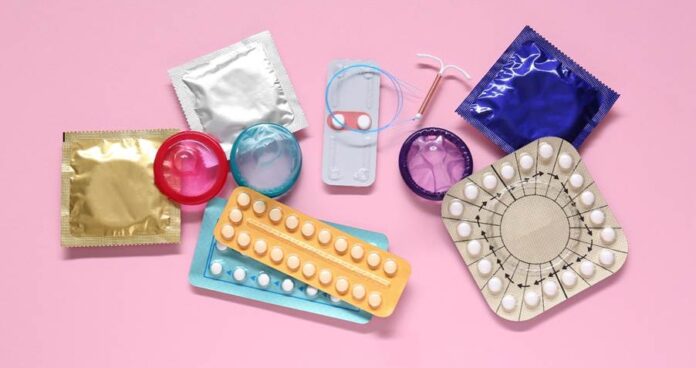
These include long-acting reversible contraceptives such as implants and intrauterine devices, injectable methods and oral contraceptives. During the 2025/26 financial year, the department said it provided contraceptive services to 2,915,945 women of reproductive age.
Despite this, the proportion accessing contraceptive services fell short of the provincial target in the first quarter of the new financial year. The department recorded uptake of 32.45% against its 43% target for the period.
For Gauteng Health, low contraceptive uptake is closely linked to unintended pregnancy. “According to available data, an estimated 75% of unintended pregnancies in South Africa are linked to low contraceptive use,” the department said.
The department also said low contraceptive uptake contributes significantly to demand for services provided under the Choice on Termination of Pregnancy Act.
While termination-of-pregnancy services remain an important part of reproductive healthcare, the department said it is concerned that women continue to miss opportunities to prevent unintended pregnancies despite contraceptive methods being freely available.
Why aren’t women using contraception?
Gauteng Health acknowledged that misconceptions and fears surrounding contraceptives remain significant barriers.
“Many women cite concerns about side effects and possible infertility as reasons for not using contraceptives,” the department said.
READ: Contraceptives can affect a woman’s sexual pleasure — expert
It attributed some of these concerns to inadequate knowledge and misinformation about the contraceptive options available.
For some women, concerns about possible side effects can influence whether they start contraception, continue using it or switch to another method.
This makes the contraception gap more complicated than ensuring that contraceptive supplies are available at clinics.
“Healthcare workers also have a role to play in helping women understand the differences between contraceptive methods, their possible side effects and which options may be appropriate for them.
For women who have experienced unwanted side effects, the issue can be particularly difficult, a method may be freely available, but that does not mean a woman will feel comfortable continuing to use it.
Falling fertility, but persistent unintended pregnancies
The contraception figures come as South Africa’s fertility rate continues to decline. The country’s total fertility rate is estimated at 2.12 children per woman, placing it close to the replacement-level benchmark of about 2.1.
The lower fertility rate reflects broader changes in childbearing patterns, while contraceptive uptake is one factor that can influence whether and when pregnancies occur.
This isn’t a new sexual-health concern
In February 2024, the department warned residents about what it described as risky sexual behaviour amid rising sexually transmitted infections.
ALSO READ: Spike in STI cases as Gauteng battles shortage of condoms
Between April and December 2023, 1,255 of 66,377 pregnant women who attended public healthcare facilities for their first antenatal visit tested positive for syphilis, according to the department.
- Only 32.45% of women eligible for contraceptive services in Gauteng accessed them in Q1 of the 2026/27 financial year, below the 43% target.
- Contraceptive services are free at public healthcare facilities in Gauteng, including clinics, community health centres, hospitals, and mobile health services.
- Misconceptions, fears about side effects, and concerns about infertility are significant barriers preventing women from using contraception.
- Gauteng Health estimates that 75% of unintended pregnancies in South Africa are linked to low contraceptive use, contributing to demand for termination-of-pregnancy services.
- South Africa's total fertility rate is estimated at 2.12 children per woman, close to the replacement level of about 2.1.
South Africa's fertility rate is falling, but Gauteng is still struggling to get women to access contraception, with provincial health data showing uptake well below its target.
Only 32.45% of women eligible for contraceptive services accessed them during the first quarter of the 2026/27 financial year, compared with the Gauteng Department of Health's target of 43%.
The shortfall comes despite contraception being available free of charge at public healthcare facilities across the province, including clinics, community health centres, hospitals and mobile health services.
On Friday, the department issued a statement saying the challenge is not a lack of contraceptive options. Instead, misconceptions, fears about side effects and concerns about infertility continue to discourage some women from using contraception.
The figures come against a broader demographic shift in South Africa, where the total fertility rate is estimated at 2.12 children per woman.
READ MORE: Having children has never been a part of my plans, says actress Linda Sokhulu
Gauteng Health shared that women have access to a range of contraceptive methods at public healthcare facilities at no cost.
These include long-acting reversible contraceptives such as implants and intrauterine devices, injectable methods and oral contraceptives. During the 2025/26 financial year, the department said it provided contraceptive services to 2,915,945 women of reproductive age.
Despite this, the proportion accessing contraceptive services fell short of the provincial target in the first quarter of the new financial year. The department recorded uptake of 32.45% against its 43% target for the period.
For Gauteng Health, low contraceptive uptake is closely linked to unintended pregnancy. "According to available data, an estimated 75% of unintended pregnancies in South Africa are linked to low contraceptive use," the department said.
The department also said low contraceptive uptake contributes significantly to demand for services provided under the Choice on Termination of Pregnancy Act.
While termination-of-pregnancy services remain an important part of reproductive healthcare, the department said it is concerned that women continue to miss opportunities to prevent unintended pregnancies despite contraceptive methods being freely available.
Gauteng Health acknowledged that misconceptions and fears surrounding contraceptives remain significant barriers.
"Many women cite concerns about side effects and possible infertility as reasons for not using contraceptives," the department said.
READ: Contraceptives can affect a woman's sexual pleasure — expert
It attributed some of these concerns to inadequate knowledge and misinformation about the contraceptive options available.
For some women, concerns about possible side effects can influence whether they start contraception, continue using it or switch to another method.
This makes the contraception gap more complicated than ensuring that contraceptive supplies are available at clinics.
"Healthcare workers also have a role to play in helping women understand the differences between contraceptive methods, their possible side effects and which options may be appropriate for them.
For women who have experienced unwanted side effects, the issue can be particularly difficult, a method may be freely available, but that does not mean a woman will feel comfortable continuing to use it.
The contraception figures come as South Africa's fertility rate continues to decline. The country's total fertility rate is estimated at 2.12 children per woman, placing it close to the replacement-level benchmark of about 2.1.
The lower fertility rate reflects broader changes in childbearing patterns, while contraceptive uptake is one factor that can influence whether and when pregnancies occur.
In February 2024, the department warned residents about what it described as risky sexual behaviour amid rising sexually transmitted infections.
ALSO READ: Spike in STI cases as Gauteng battles shortage of condoms
Between April and December 2023, 1,255 of 66,377 pregnant women who attended public healthcare facilities for their first antenatal visit tested positive for syphilis, according to the department.


