


I am a performer, not a petitioner. But this Heritage Month, I must write. The culture we honour is being unravelled by its protectors.
I come from Botshabelo. I arrived in Pretoria with few belongings and a conviction: I would become an opera singer. I did not arrive with money. I arrived with a borrowed R2,500 registration fee that took almost a year to repay. I am a self-funding student at Tshwane University of Technology, attending class with the constant anxiety of owing the institution supposed to build my future. Every day I am reminded I do not belong financially, even as I belong artistically.
To write this is to lay bare a poverty I did not choose. Why not choose something sensible? Why not teaching? Why not the police? Why vocal arts, a path with no quick salary and no easy escape from the township?
The answer is my heritage. Because we have done it before. From Mimi Coertse to Golda Schultz and Luthando Qave, South African voices have conquered the Northern Hemisphere. We turned a colonial import into something unmistakably our own. Our heritage is not a museum piece; it is a world-conquering force.
Rot at the core of arts funding
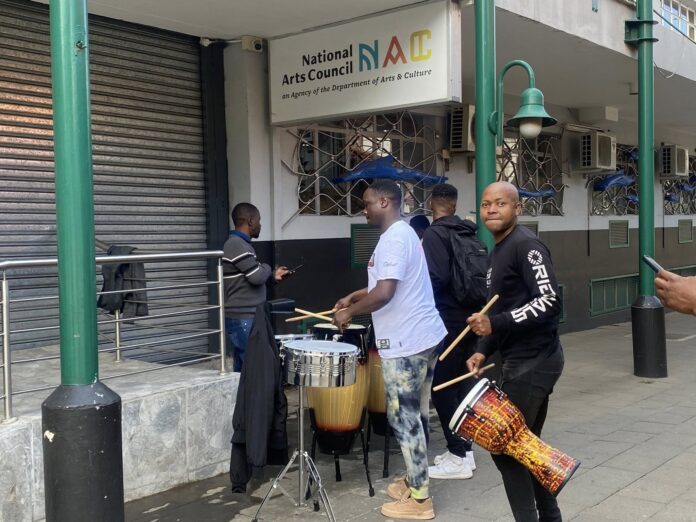
But passion does not pay bills. In South Africa, neither does public accountability. The structures meant to nurture our culture are rotting. The National Arts Council is embroiled in scandal. Funding Number 3368801 was approved under the 2020/21 individual bursaries programme for a beneficiary connected to the then-CEO. Three documents show three different amounts; a Wits fee statement accompanied a UJ payment. Asked for a conflict-of-interest declaration, the council had nothing to say. Journalists were met with silence.
The real casualties of corruption
I am not writing because I was entitled to that bursary. I am writing because I deserved a system run with morals. I deserved to know that when my classmates and I applied, we were entering a fair process, not a patronage network. I deserved to know public money for the arts was reaching artists, not relatives of those controlling the purse strings. The cost is not abstract because it sits in the lecture hall with me. It is classmates who cannot register for their final year because the bill is too high. It is the lecturer whose hopes for us evaporated when funding was blocked. We are not statistics. We are casualties of a war against corruption we did not start but are losing daily.
Politically invisible, culturally disposable
Why is this war not being won? No one campaigns for votes using the arts. In every conflict, arts and culture are the first targets because they are the last to be politically defended. We do not have constituencies. We have audiences. Audiences do not keep politicians in power; voters do. So the NAC can misplace millions, the council can dissolve and reconvene, and students can simply not register. Our heritage becomes collateral damage. There is a cruelty to being raised on social assistance in a democracy older than you. I was born into a household with portraits of Nelson Mandela flanked by FW de Klerk and Thabo Mbeki. That image was a promise: a just South Africa, a fair chance. I have no memory of apartheid. My only reference to injustice is the one I am living now.
Reclaiming the social contract
This Heritage Month, I ask: where is justice for the student who borrowed R2 500 just to exist in a classroom? Where is fairness for the singer who will never know if they were denied funding because they were not good enough, or because they were not related to the right person?
Our heritage is not only songs and languages. It is the promise of a fair society. It is the social contract. The daughter of a domestic worker from Botshabelo stands the same chance as the son-in-law of a CEO.
I did not want to write this. I wanted to sing. But in South Africa today, singing about poverty is the only way to make the powerful hear you. The NAC owes me and thousands like me more than money. It owes us integrity: a system that doesn’t just celebrate our heritage with speeches and public holidays, but invests in it, protects it, and lets it flourish. Until that debt is paid, we are all self-funding students in a country that refuses to invest in its own promise.
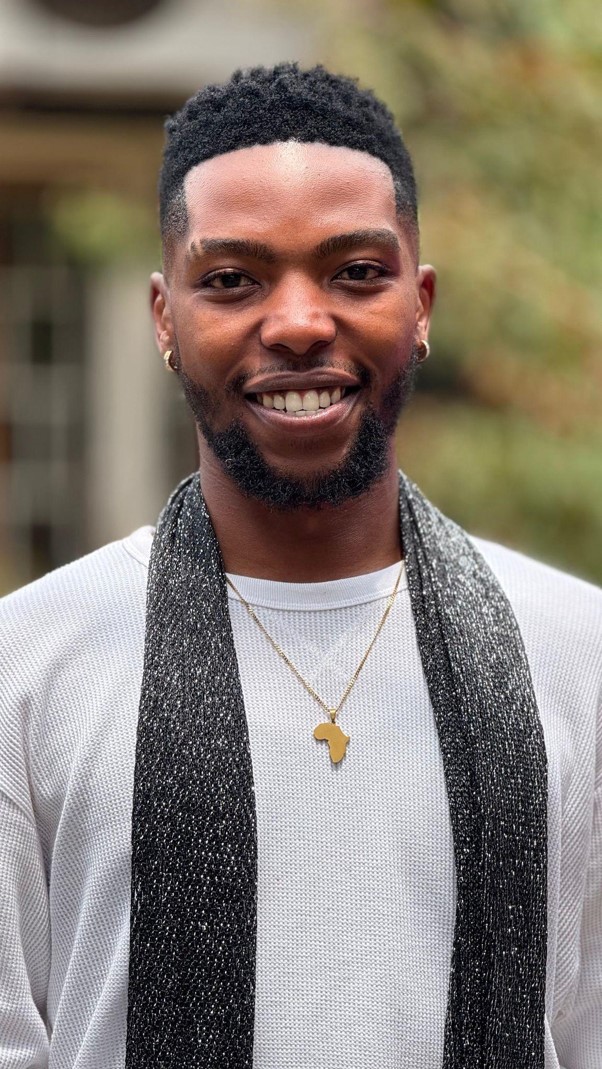
- Zweni is a performer and Opera student at Tshwane University of Technology.
- The author is a self-funding opera student at Tshwane University of Technology who borrowed R2,500 for registration fees and struggles with financial insecurity.
- The National Arts Council (NAC) in South Africa is involved in funding scandals, including irregularities in bursary allocations linked to the former CEO.
- Corruption in arts funding has led to students being unable to register for classes and lecturers losing hope due to blocked funds.
- Arts and culture suffer from political neglect as they do not directly influence voter support, making them vulnerable to mismanagement and underfunding.
- The author calls for a just, fair system that invests in and protects South African cultural heritage beyond symbolic gestures, emphasizing the need for integrity in arts funding.
I am a performer, not a petitioner. But this Heritage Month, I must write. The culture we honour is being unravelled by its protectors.
I come from Botshabelo. I arrived in Pretoria with few belongings and a conviction: I would become an opera singer. I did not arrive with money. I arrived with a borrowed R2,500 registration fee that took almost a year to repay. I am a self-funding student at Tshwane University of Technology, attending class with the constant anxiety of owing the institution supposed to build my future. Every day I am reminded I do not belong financially, even as I belong artistically.
To write this is to lay bare a poverty I did not choose. Why not choose something sensible? Why not teaching? Why not the police? Why vocal arts, a path with no quick salary and no easy escape from the township?
The answer is my heritage. Because we have done it before. From Mimi Coertse to Golda Schultz and Luthando Qave, South African voices have conquered the Northern Hemisphere. We turned a colonial import into something unmistakably our own. Our heritage is not a museum piece; it is a world-conquering force.
But passion does not pay bills. In South Africa, neither does public accountability. The structures meant to nurture our culture are rotting. The National Arts Council is embroiled in scandal. Funding Number 3368801 was approved under the 2020/21 individual bursaries programme for a beneficiary connected to the then-CEO. Three documents show three different amounts; a Wits fee statement accompanied a UJ payment. Asked for a conflict-of-interest declaration, the council had nothing to say. Journalists were met with silence.
I am not writing because I was entitled to that bursary. I am writing because I deserved a system run with morals. I deserved to know that when my classmates and I applied, we were entering a fair process, not a patronage network. I deserved to know public money for the arts was reaching artists, not relatives of those controlling the purse strings. The cost is not abstract because it sits in the lecture hall with me. It is classmates who cannot register for their final year because the bill is too high. It is the lecturer whose hopes for us evaporated when funding was blocked. We are not statistics. We are casualties of a war against corruption we did not start but are losing daily.
Why is this war not being won? No one campaigns for votes using the arts. In every conflict, arts and culture are the first targets because they are the last to be politically defended. We do not have constituencies. We have audiences. Audiences do not keep politicians in power; voters do. So the NAC can misplace millions, the council can dissolve and reconvene, and students can simply not register. Our heritage becomes collateral damage. There is a cruelty to being raised on social assistance in a democracy older than you. I was born into a household with portraits of Nelson Mandela flanked by FW de Klerk and Thabo Mbeki. That image was a promise: a just South Africa, a fair chance. I have no memory of apartheid. My only reference to injustice is the one I am living now.
This Heritage Month, I ask: where is justice for the student who borrowed R2 500 just to exist in a classroom? Where is fairness for the singer who will never know if they were denied funding because they were not good enough, or because they were not related to the right person?
Our heritage is not only songs and languages. It is the promise of a fair society. It is the social contract. The daughter of a domestic worker from Botshabelo stands the same chance as the son-in-law of a CEO.
I did not want to write this. I wanted to sing. But in South Africa today, singing about poverty is the only way to make the powerful hear you. The NAC owes me and thousands like me more than money. It owes us integrity: a system that doesn't just celebrate our heritage with speeches and public holidays, but invests in it, protects it, and lets it flourish. Until that debt is paid, we are all self-funding students in a country that refuses to invest in its own promise.
- Zweni is a performer and Opera student at Tshwane University of Technology.


