


Daggers have been drawn between tenants and activists and the Western Cape government over its decision to build affordable and social housing at the historic Oude Molen Eco Village precinct.
Last month, the Heritage Western Cape’s (HWC) appeals committee dismissed the Western Cape Department of Infrastructure’s (DOI) appeal and upheld the rejection of its heritage impact assessment (HIA). The HIA was found to be non-compliant with the National Heritage Resources Act.
The DOI, which owns the Pinelands property, says the development will comprise
1 364 housing units, with 34% allocated to inclusionary, social and first home finance and subsidy assistance housing. The remaining 66% will be sold on the open market. The plans also include office and retail space, as well as an interpretive centre.
This week, DOI spokesperson Melt Botes said his department believed it had satisfied the legal requirements and that its plan would best serve the wider Western Cape communities.
“Our vision has always been to facilitate an integrated, residentially led mixed-use development that provides much-needed affordable and social housing. This development is essential for connecting our people with economic opportunities and education while preserving natural and heritage resources.
“We will be following the appropriate legal and administrative avenues to address the Heritage Western Cape decision, ensuring that all our ongoing developmental processes remain transparent and compliant with statutory frameworks,” Botes said.
But Adv Rod Solomon, the Oude Molen Eco Village Tenants Association (Omevta) chairperson said the tenants had support from numerous entities and would consider legal action.
In its objection to the proposed development, Omevta, which represents about 150 residents, said the site was home to 45 enterprises that provided livelihoods for about 350 people.
“Over three decades, with minimal assistance from the state, this community has restored a neglected site and built on it a functioning settlement that already delivers the very things this application claims it will provide — affordable living, education, healthcare, food production and dignified work for historically disadvantaged people.
“The application does not engage that community, build on it or accommodate it. Instead, it removes and replaces it.”
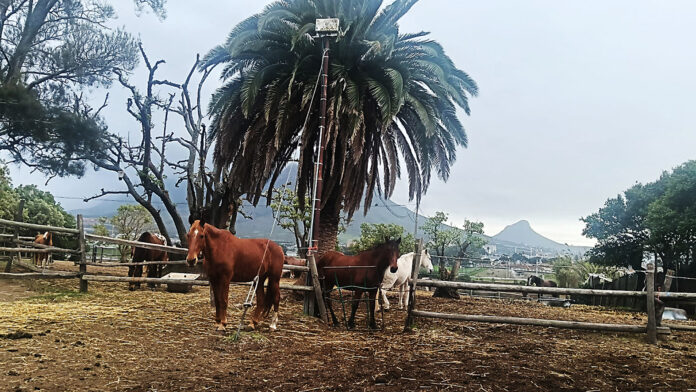
In a submission to the HWC against the DOI’s appeal, Khoi leader and convener of of Save our Sacred Lands Tauriq Jenkins questioned the motives of the department, suggesting “motivations coming from the commercial entities that are backing this development” He said the equestrian culture at Oude Molen Stables was a living heritage, with the horses supporting therapeutic programmes.
“We still do not know who the so-called clients would be and for whom this multi-billion rand proposal is going to be prepared for. It becomes obvious that despite of two rejections from Heritage Western Cape and outright rejection of the appeal, they are still adamant of their stance,” said Jenkins. A petition against the development has garnered more than 3 600 signatures on Dear South Africa. Professor Leslie London, the former chairperson of the Observatory Civic Association, said he had signed the petition.
“The developers failed to understand how the diverse array of activities on the site for the last two decades actually does knit a form of living heritage,” London said.
- The Western Cape government’s plan to build 1,364 affordable and social housing units at the historic Oude Molen Eco Village precinct faces strong opposition from tenants, activists, and heritage authorities.
- Heritage Western Cape’s appeals committee rejected the Department of Infrastructure’s (DOI) heritage impact assessment, citing non-compliance with the National Heritage Resources Act.
- DOI insists the mixed-use development, including housing, office, retail space, and an interpretive centre, meets legal requirements and will benefit the broader community, promising transparency and compliance.
- Opponents, including the Oude Molen Eco Village Tenants Association and Khoi leaders, argue the development disregards and displaces an established community providing affordable living, education, healthcare, and livelihoods.
- A petition with over 3,600 signatures and critiques from heritage and civic leaders highlight concerns that the development threatens living heritage and favours commercial interests over community preservation.


