


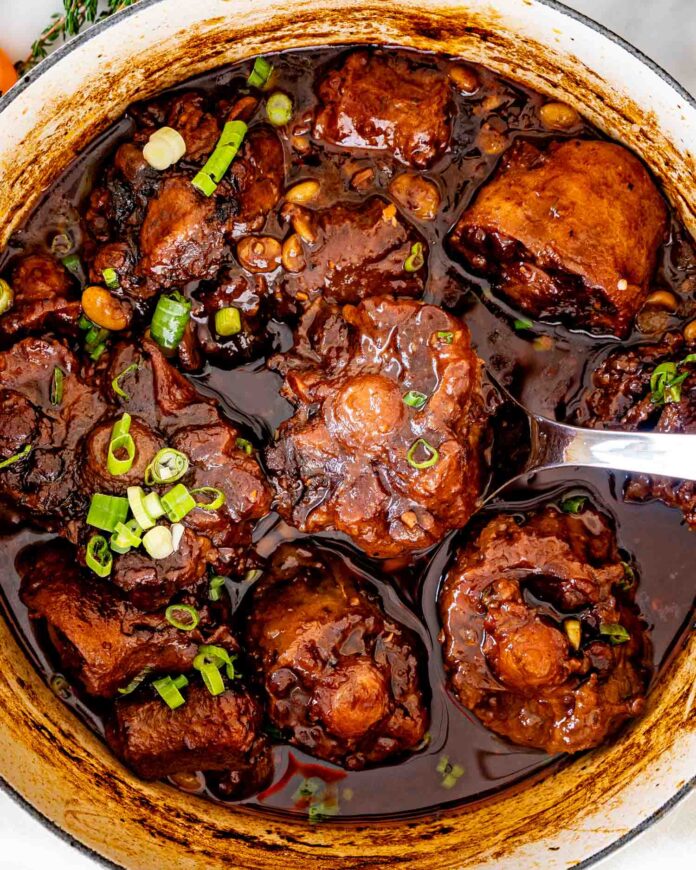
South Africans may soon have to pay more for one of the country’s most-loved winter comfort foods after a bureaucratic dispute disrupted imports of oxtail from Argentina.
Administrative error
The Association of Meat Importers and Exporters South Africa (AMIESA) has warned that delays linked to an administrative error in import certification could leave supermarket shelves short of oxtail, pushing prices higher at a time when demand traditionally peaks.
Argentina supplies around 70% of the oxtail consumed in South Africa, with local producers unable to meet demand, particularly during the colder months when hearty stews and potjies become household staples.
According to AMIESA, the problem stems from a veterinary certificate used for beef imports that mistakenly includes a reference to ovine scrapie, a disease that affects sheep and goats, not cattle.
Rather than simply removing the irrelevant wording, the Department of Agriculture allegedly introduced a far more complex sanitary certificate that includes stringent foot-and-mouth disease (FMD) requirements, making it difficult for Argentine exporters to comply.
Supply crisis could’ve been averted
AMIESA CEO Paul Matthew said the issue should never have escalated into a supply crisis.
“This should have been a simple administrative amendment,” said Matthew, adding that South African consumers should not lose access to affordable oxtail because of what he described as an avoidable certification problem.
The association estimates that South Africa could lose around 1,000 tonnes of imported oxtail this winter, valued at more than R100-million, if the impasse is not resolved soon. Importers have reportedly already begun cancelling supply contracts as uncertainty over certification continues.
Matthew said consumers are ultimately bearing the cost of delays that have little to do with food safety.
“South Africans cannot access a product that the country itself cannot produce in sufficient quantities while the imports needed to make up the shortfall remain blocked,” he said.
“Consumers don’t care about veterinary certificate wording; they expect affordable food on supermarket shelves.”
Solution sought
AMIESA stressed that it supports South Africa’s biosecurity measures but believes they should be based on sound science and remain practical to implement. The association has approached senior officials within the Department of Agriculture and engaged the Argentine embassy to fast-track a solution.
The dispute comes despite South Africa and Argentina having a long-standing relationship in managing foot-and-mouth disease, with Argentina supplying some of the vaccines used locally. AMIESA argues that the current deadlock is the result of administrative hurdles rather than inadequate animal health controls.
If the matter is not resolved quickly, consumers could find themselves paying significantly more for oxtail during one of the busiest seasons for the popular dish.
ALSO READ: Farmers score major court win against Steenhuisen in FMD vaccine fight
- South African oxtail imports from Argentina are delayed due to an administrative error in veterinary import certification, risking supply shortages.
- Argentina supplies about 70% of South Africa’s oxtail, which local producers cannot meet, especially in winter when demand peaks.
- The Department of Agriculture replaced a simple certificate correction with a complex sanitary certificate involving stringent foot-and-mouth disease requirements, complicating compliance for Argentine exporters.
- The Association of Meat Importers and Exporters South Africa (AMIESA) warns this avoidable issue could result in a loss of 1,000 tonnes of oxtail imports valued at over R100-million and higher consumer prices.
- AMIESA is engaging with government and Argentine officials to resolve the problem quickly, emphasizing the need for practical, science-based biosecurity measures.


