


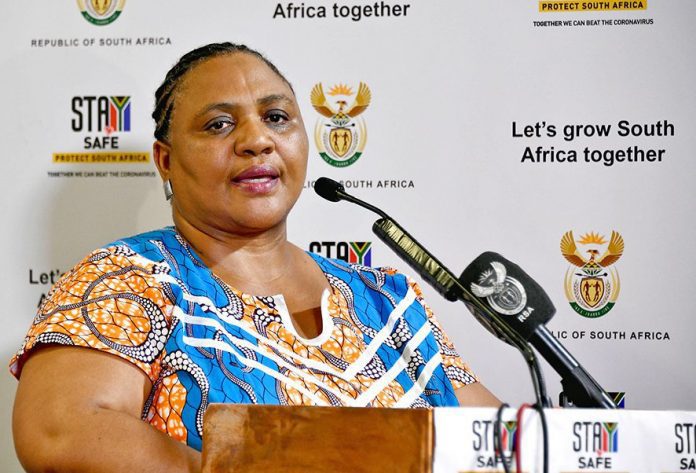
A legal opinion prepared for National Assembly (NA) Speaker Thoko Didiza advised that Parliament should actively oppose President Cyril Ramaphosa’s attempt to halt impeachment proceedings linked to the Phala Phala scandal.
However, Didiza has instead decided to file a notice to abide by the Western Cape High Court.
The advice, prepared by Group One senior advocate Kameshni Pillay SC and advocate Asanda Dipa, warned that Parliament had a constitutional responsibility to continue with the Section 89 process and that failing to do so could undermine its oversight obligations.
The opinion was commissioned after Ramaphosa approached the Western Cape High Court seeking an order preventing Parliament’s impeachment committee from proceeding with an inquiry arising from the Phala Phala matter.
According to the legal team, the Constitutional Court’s recent judgment had already activated the impeachment process, leaving Parliament with little room to delay.
“The effect of the judgment is that the section 89(1) impeachment process has been triggered,” the opinion states. It adds that this created obligations on Parliament to advance the process “without undue delay”.
The lawyers argued that impeachment is one of Parliament’s most powerful accountability mechanisms and forms part of its constitutional duty to hold the executive to account.
Legal responsibility to protect Parliament
They further advised that Didiza herself carried a legal responsibility to protect Parliament’s constitutional mandate.
“It is trite that the Speaker, as the presiding and institutional actor on behalf of the National Assembly, is under a legal duty to ensure that the NA fulfils its constitutional obligations,” the opinion states.
The legal team was unconvinced that Ramaphosa had met the high legal threshold required to stop an ongoing constitutional process.
“The president’s application does not appear to meet the stringent OUTA test,” the opinion says, referring to Constitutional Court jurisprudence governing attempts to interdict public bodies from exercising constitutional powers.
Rejection of ‘irreparable harm’ argument
Counsel also rejected arguments that the president would suffer irreparable harm if the impeachment inquiry proceeded.
The opinion notes that the independent panel report did not make definitive findings against Ramaphosa but merely concluded that there was sufficient evidence for a formal inquiry to take place. The lawyers argued that the impeachment proceedings themselves would provide the president with an opportunity to answer the allegations levelled against him.
The legal advice further warned that granting the interdict could effectively paralyse the impeachment process for months while court proceedings and appeals unfolded.
According to the opinion, such a delay would undermine Parliament’s constitutional obligation to hold the President accountable and could stall the process well into next year.
Little room for ambiguity
In their conclusion, Pillay and Dipa left little room for ambiguity.
“For these reasons, we recommend that the application be opposed,” they wrote.
The opinion goes even further, stating that opposition to the application was necessary because the Speaker was required to ensure Parliament complied with its constitutional responsibilities.
“The Speaker is under a legal duty to ensure that the NA complies with its legal obligations,” the opinion concludes.
Despite this, impeachment committee chair Makashule Gana last week confirmed that he would be opposing the president’s application.
Meanwhile, opposition parties have expressed their concern over the Speaker’s decision.
The African Transformation’s Vuyo Zungula has given notice that his party will oppose the matter. On the other hand, the Economic Freedom Fighters has already filed court papers opposing the interdict.
Read More: How Phala Phala committee defends opposition to Ramaphosa interdict
- Legal opinion advised Speaker Thoko Didiza that Parliament must oppose President Ramaphosa’s attempt to halt impeachment proceedings related to the Phala Phala scandal, emphasizing Parliament's constitutional duty to continue the Section 89 process without delay.
- Despite the advice, Didiza chose to file a notice to abide by the Western Cape High Court's decision rather than oppose Ramaphosa’s application directly.
- The legal team, including senior advocates Kameshni Pillay SC and Asanda Dipa, argued that Ramaphosa’s interdict application did not meet the required legal standards and that delaying impeachment would undermine Parliament’s accountability role.
- The opinion rejected claims that the president would suffer irreparable harm if the inquiry proceeded, noting that the process would allow Ramaphosa to respond to allegations and that judicial delays could stall the process into next year.
- Opposition parties, including the African Transformation Movement and Economic Freedom Fighters, have expressed concern over the Speaker’s decision and are actively opposing the president’s application in court.


