


The top executive of KoBold Metals said Western miners can match China’s pace in developing critical minerals projects in Africa without compromising compliance standards as long as governments streamline approvals and improve coordination among regulators.
California-based KoBold, an exploration firm backed by US billionaires Jeff Bezos and Bill Gates, argues that these steps would allow Western investors to deploy capital faster and compete more effectively with Chinese rivals for Africa’s critical minerals.
“We reject the assertion that you can’t go fast and do things right. You can do both,” KoBold President Josh Goldman told Reuters on Monday.
Race for Africa’s critical minerals
Competition for Africa’s critical minerals is intensifying as the US, Europe and China race to secure supplies of metals vital for electric vehicles, artificial intelligence and defence technologies.
From Democratic Republic of Congo to Guinea, Chinese firms have often outpaced Western rivals through rapid execution, navigating bureaucratic processes and backing mines with railways, ports and processing plants.
Namibia approvals under spotlight
KoBold is seeking faster exploration approvals in Namibia while expanding lithium and copper exploration in Congo, Goldman said.
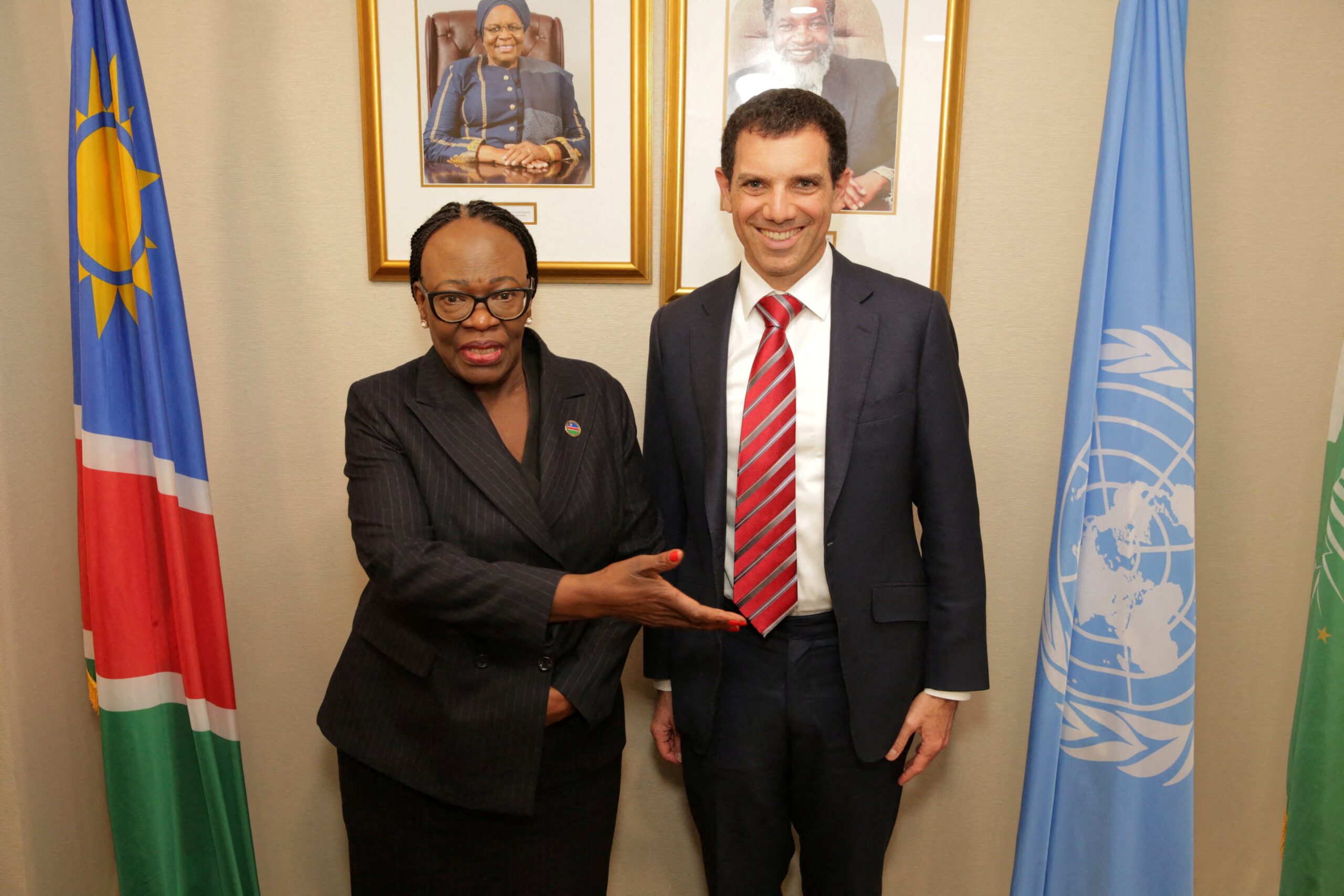
“We would like to accelerate our investment (in Namibia) because we like the rocks, the operating environment, the jurisdiction and the people, but we need to be able to go faster,” he said before meeting the country’s ministers of international trade and agriculture in New York on Thursday on the company’s concerns.
Namibia’s Presidency and the ministries of international relations and agriculture did not immediately respond to requests for comment.
KoBold, which has invested about $2-million in Namibia since 2022, holds more than 7 000 square kilometres of exploration licences there, its largest land position globally by area.
Expanding exploration in Congo
In Congo, KoBold is advancing what Goldman described as the country’s largest lithium exploration program, alongside a major copper exploration campaign near the Zambian border as it searches for a world-class discovery comparable to the Manono deposit.
Goldman said the effort was not being slowed by the long-running dispute surrounding Manono, where Australia’s AVZ Minerals and Chinese interests remain locked in competing claims.
“Finding the next Manono doesn’t depend on what happens with the known deposits,” he said.
China’s Zijin Mining began lithium exports from an adjoining block at Manono in June after building supporting infrastructure, Reuters reported.
- KoBold Metals believes Western miners can match China's speed in African critical minerals projects by streamlining government approvals and improving regulator coordination.
- KoBold, backed by Jeff Bezos and Bill Gates, aims to accelerate investment and exploration in Namibia and Congo for lithium and copper.
- The firm holds over 7,000 square kilometres of exploration licenses in Namibia, its largest land position worldwide.
- KoBold is advancing Congo's largest lithium exploration program and a major copper campaign near the Zambian border.
- China’s Zijin Mining began lithium exports from an adjoining block at Manono, Congo, in June after building supporting infrastructure.
The top executive of KoBold Metals said Western miners can match China's pace in developing critical minerals projects in Africa without compromising compliance standards as long as governments streamline approvals and improve coordination among regulators.
California-based KoBold, an exploration firm backed by US billionaires Jeff Bezos and Bill Gates, argues that these steps would allow Western investors to deploy capital faster and compete more effectively with Chinese rivals for Africa's critical minerals.
"We reject the assertion that you can't go fast and do things right. You can do both," KoBold President Josh Goldman told Reuters on Monday.
Competition for Africa's critical minerals is intensifying as the US, Europe and China race to secure supplies of metals vital for electric vehicles, artificial intelligence and defence technologies.
From Democratic Republic of Congo to Guinea, Chinese firms have often outpaced Western rivals through rapid execution, navigating bureaucratic processes and backing mines with railways, ports and processing plants.
KoBold is seeking faster exploration approvals in Namibia while expanding lithium and copper exploration in Congo, Goldman said.
"We would like to accelerate our investment (in Namibia) because we like the rocks, the operating environment, the jurisdiction and the people, but we need to be able to go faster," he said before meeting the country's ministers of international trade and agriculture in New York on Thursday on the company's concerns.
Namibia's Presidency and the ministries of international relations and agriculture did not immediately respond to requests for comment.
KoBold, which has invested about $2-million in Namibia since 2022, holds more than 7 000 square kilometres of exploration licences there, its largest land position globally by area.
In Congo, KoBold is advancing what Goldman described as the country's largest lithium exploration program, alongside a major copper exploration campaign near the Zambian border as it searches for a world-class discovery comparable to the Manono deposit.
Goldman said the effort was not being slowed by the long-running dispute surrounding Manono, where Australia's AVZ Minerals and Chinese interests remain locked in competing claims.
"Finding the next Manono doesn't depend on what happens with the known deposits," he said.
China's Zijin Mining began lithium exports from an adjoining block at Manono in June after building supporting infrastructure, Reuters reported.


