


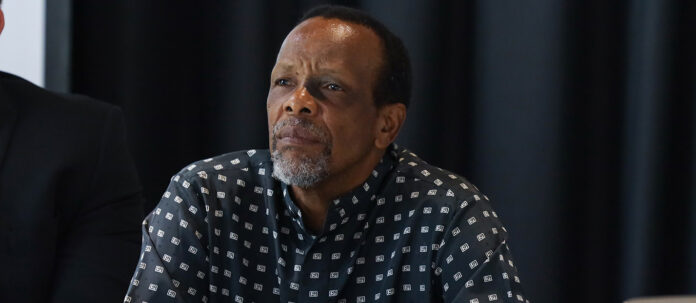
A plan by the Limpopo Health Department to send working doctors to China for a year to learn cataract surgery has been slammed by one of the country’s top ophthalmologists. Dr Kgosi Letlape, former chair of the SA Medical Association and now an ActionSA MP, has rubbished the proposed plan as “ridiculous in the extreme” saying it will remove doctors from a strained public health system while they continue drawing full salaries and benefits.
According to a memo circulated internally in the health department this week, the programme will be funded by the department and the China-headquartered New Development Bank, also known as the BRICS Bank.
The document invites medical officers to express interest in an 18- to 24-month manual small incision cataract surgery programme aimed at reducing the province’s growing backlog of cataract patients.
Successful candidates would spend the first 12 months in China before returning for a further six to 12 months of mentorship and supervised clinical practice at a training institution in Limpopo or elsewhere in South Africa.
The selected doctors would keep their salaries and employment benefits throughout their training. In return, they would be required to remain in the service of the Limpopo Department of Health for at least five years after completing the programme.
The circular, signed by acting head of department Dr Ntodeni Norha Ndwamato, says cataract cases have risen sharply in recent years, leaving the province unable to keep pace with demand despite support from outside partners.
She said the department wanted to increase the number of doctors able to perform cataract surgery to prevent avoidable blindness.
However, when Sunday World asked the department for key details, the department said none of the issues had been finalised.
Provincial health spokesperson Neil Shikwambana said the circular was intended to test interest among medical officers after a funding partner indicated a willingness to support the initiative.
“The department wishes to advise that, at this stage, it is not in a position to furnish definitive responses to the majority of the questions raised,” Shikwambana said. “No final determinations have been made regarding, among other matters, the number of participants, the total cost of the programme, the apportionment of funding between the department and the New Development Bank, staffing and service delivery implications or implementation timelines.”
He said the details would be made available after the programme had been scoped, costed and approved through the relevant governance processes.
Letlape questioned the need for overseas training and the wisdom of removing doctors from hospitals in a province under pressure.
“That is an absolute tragedy. It would be ridiculous in the extreme when you are short-staffed to send somebody to China on a full salary and benefits but with no warm body to deliver the services when you have unemployed doctors,” he said.
Letlape said manual small incision cataract surgery was routinely taught in South Africa.
He said the proposal was especially difficult to understand given Limpopo’s limited resources.
“The fact that the premier of the province is a medical doctor is even more dumbfounding. It’s a ridiculous arrangement that a poor province that hasn’t got many resources can follow for something that can be done locally.”
Letlape said South Africa had several ophthalmology departments and experienced specialists capable of providing the training, without exposing doctors to the language and cultural barriers they might encounter abroad.
He said local hospitals should instead receive a greater share of limited public funds to strengthen their surgical capacity and reduce waiting lists closer to where patients lived.
Letlape said he would find out if the national department had been consulted.
The MP intended to raise the matter with Parliament’s portfolio committee on health when it reconvened in August.
- Limpopo Health Department plans to send doctors to China for 12 months of cataract surgery training, funded with support from the BRICS Bank, to address a backlog of cataract cases.
- Selected doctors would maintain full salaries and benefits during training and commit to five years of service in Limpopo after completion.
- The plan has been criticized by ophthalmologist and MP Dr Kgosi Letlape as impractical and harmful, arguing it would remove doctors from an already strained health system despite available local expertise.
- The department has not finalized details like participant numbers, costs, funding splits, or timelines, stating the programme is still under consideration.
- Letlape advocates for local training and investment in South African hospitals to build surgical capacity and reduce patient backlogs closer to home, and plans to raise concerns in Parliament.


